
3 Frictions That Quietly Turn Founders Into Bottlenecks
By Alex Durdev · January 19, 2026 · 3 min read · 👁 644 views
…and how work gets redesigned to finish without you

You hire capable people. You delegate. Work moves forward. And yet, somehow, the most important pieces still end up back on your desk at 9:00 PM.
If you’ve ever calculated your Shadow Rework Tax, this moment will feel familiar. It’s the quiet hour you didn’t plan for — fixing work you already paid for, making decisions that should have been settled earlier, carrying responsibility that never quite left your shoulders.
It’s not because your team failed or because they’re lazy. It’s because when something feels unclear, risky, or final, your business has been trained to realize that the safest place for uncertainty to land is with you.
What you’re dealing with is founder-centric friction. From the outside, everything looks fine—clients are happy and nothing is "on fire." But inside, the organization is learning a dangerous lesson: when things really matter, they come back to the founder.
The Competence Trap
The part that surprises people is that dependency rarely looks like chaos. It looks like competence with friction. Decisions pause while waiting for your approval. Deliverables reach that 90% mark and then just… stall. You find yourself rewriting, clarifying, or making the final call just to "get it over the line."
If this sounds familiar, here is the relief: You don’t have a talent problem. You have a design problem. Your operations are quietly routing uncertainty back to you because, structurally, you are the only safety net.

The 3 Frictions Hiding in Your Workflow
These patterns embed themselves into how work flows. I usually see them show up in three specific ways:
- Accountability Gap - Everyone contributes, but no one truly owns the outcome. When ownership is fuzzy, escalation is inevitable. As soon as a project becomes sensitive, it moves upward because no single person feels authorized to carry it across the line. The work doesn’t fail; it just never fully finishes without you.
- Intuition Trap - This happens when your standards live in your head. Your team is capable, but they’re aiming at a moving target they can’t see. Quality is judged at the end rather than defined at the start. So, people deliver what they think is right, and you step in to close the gap. Over time, standards don’t rise—they simply migrate out of the system and into you.
- Permission Loop - When decision rights are unclear, teams delay choices until the cost of being wrong feels too high. Risk surfaces late, right when only you feel safe deciding. Decisions loop upward not because people lack confidence, but because the system never told them where their authority ends.
Why This Matters for Your Business
In 2026, founder dependency isn't just about your time—it's about your business's ability to function independently. When the bottleneck is always the founder, work doesn’t just slow down; it creates a culture of reliance that’s hard to break. Until your systems are redesigned to function without you, you remain the limiting factor to growth and efficiency.
Redesigning the Finish Line
Redesigning how work finishes doesn't require more meetings or micromanagement. It requires three structural shifts that I focus on with my own clients:
- Single-point accountability for outcomes (not just tasks).
- A documented Definition of Done so quality is visible, not intuitive.
- Tiered decision rights that surface risk early, before it reaches your desk.
I recently looked at a growing agency where the team was brilliant, yet every piece of work still came back to the founder. When we mapped the work, the issue was obvious: "Done" was assumed, and quality lived in his judgment. Once we wrote down what finishing actually looked like, the work stopped coming back. Not because the people tried harder, but because the system finally knew how to end.
The Design Fix
Founder-centric friction isn't a leadership flaw - it’s a design flaw. And design can be fixed.
If you’re curious where these frictions are hiding in your business, trace one recent project and follow the exact moment where ownership or standards became unclear. That is usually where your redesign begins.
Want to discover where the bottlenecks are hiding in your business?
Download the Bottleneck Diagnostic Checklist to quickly assess whether your business can run without you. It’s a simple way to identify where friction might still be holding you back and how you can start redesigning your operations for greater efficiency and autonomy.
Click here to download your free checklist and take the first step toward a more independent business.
Keep reading
All in Articles
Ours Dim Sum Rave: Where Dim Sum Met the Dance Floor
Ours has done it again, this time, dropping electronic beats right into the heart of a tea house steeped in the nostalgic charm of 20th-century Hong...
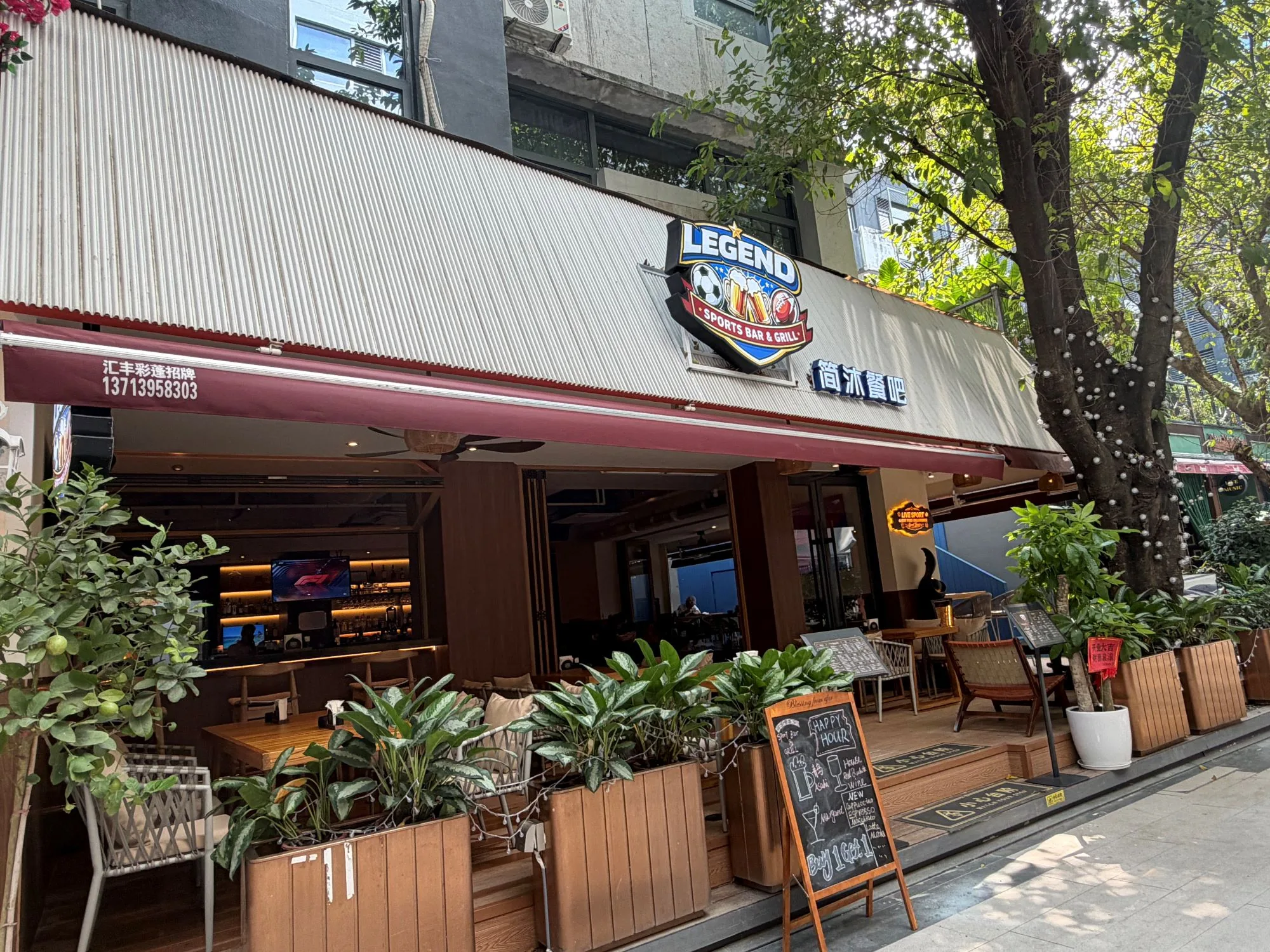
Legend Levels Up: Shekou's Beloved Hangout Reinvents Itself as a Sports Bar & Grill
Some bars are places you go. Legend is a place you return to. For six years, this Shekou staple has anchored the corner of Nanhai Yiku, pouring...

Free Sky Observation Deck: Shenzhen's Window to the Clouds at 547.6 Meters
High above the pulsating heart of Shenzhen, the Free Sky Observation Deck commands the 116th floor of the Ping An Finance Center at a...