
深圳各区 · Districts
Shenzhen by district
Eight distinct slices of one fast-moving city. Coastal expat enclaves, glass-tower CBDs, family suburbs, mountain trails, and the port that moves a quarter of China's exports. Each has its own pulse — and usually its own dialect of the food scene.
The Eight · 八区
Pick a district
Tap into any district for its full guide — neighborhoods, transport, food, schools, and the editorial coverage we've built up over the years.
-
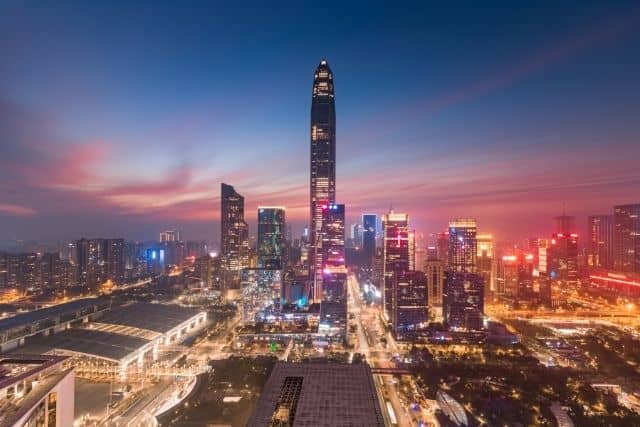
District · 区
Futian
Central business district. Skyscrapers, the symphony, the metro hub.
-
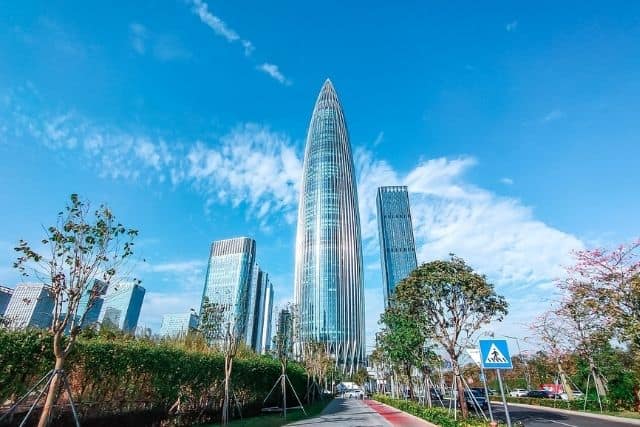
District · 区
Nanshan
Tech-park country — Tencent, DJI, the universities. International schools.
-

District · 区
Luohu
The original Shenzhen. Cross-border to Hong Kong, classic eats, gold-trade streets.
-
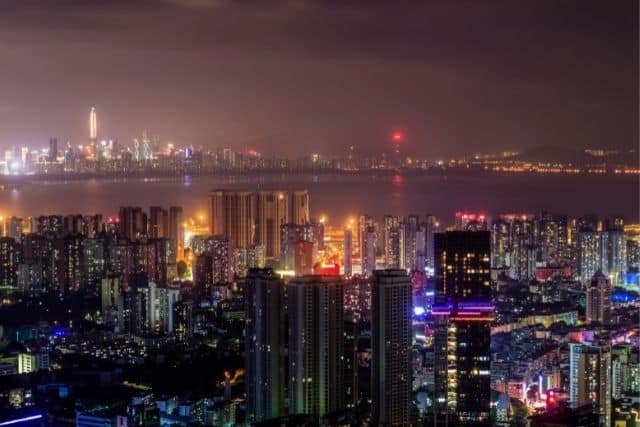
District · 区
Shekou
Coastal expat enclave. Sea World, the ferry to HK, walkable streets.
-
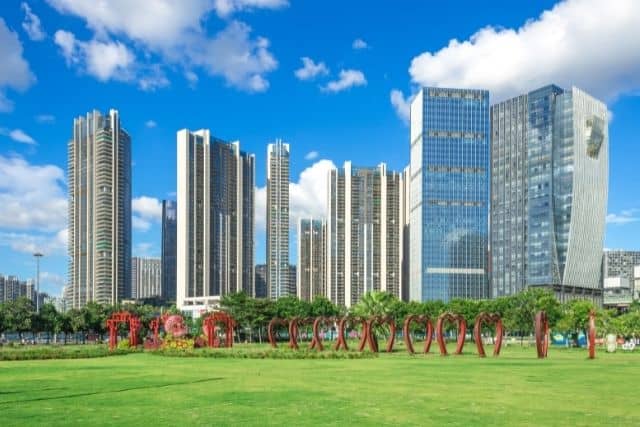
District · 区
Bao'an
Industrial roots, now home to the airport and family-friendly residential zones.
-

District · 区
Longhua
The central north. Manufacturing heritage, fast metro access, new high-rises.
-

District · 区
Longgang
The largest district. Universiade legacy venues, suburbs, mountain parks.
-

District · 区
Yantian
Coastal east. The container port, Dameisha beach, the East Coast trail.
-

District · 区
Qianhai
Shenzhen–Hong Kong finance zone on the western bay. New towers, free-trade reforms, reclaimed waterfront.
About · 关于
How Shenzhen fits together
One city, eight personalities
Shenzhen grew from a fishing village to a 17-million-person metropolis in 40 years. The eight districts reflect different eras of that growth — Luohu was the original Special Economic Zone opened in 1980 (the old downtown, where the cross-border trade started); Futian was carved out in 1990 as the central business district; Nanshan came of age in the 2000s as the tech hub; Bao'an and Longgang absorbed the manufacturing buildout; Shekou developed in parallel as a foreign-investor zone with its own expat community.
Where the international community settles
Shekou and Nanshan (specifically the western half — Shekou sub-district, House of Bay, Houhai) anchor most of the expat population. International schools cluster there. Most of the English-speaking clinics, the Western grocers, and the community sports leagues operate out of these two districts. Bao'an's family communities (around Mission Hills and the international school clusters) form a second concentration. Futian draws the CBD-commuter professionals who want to be in walking distance of work.
How locals navigate
The metro is the connective tissue — 17 operational lines now, with more under construction. Each district has multiple stations, and journey times across districts cap out around 50 minutes. DiDi (the local rideshare) handles last-mile and after-hours. Driving yourself is rare among expats and locals alike — Shenzhen's plate lottery, congestion, and metro coverage all discourage it. Long-form city navigation is a metro-first habit here.
Questions · 答疑
Common questions
-
How many districts does Shenzhen actually have?
Officially nine administrative districts (Futian, Luohu, Nanshan, Bao'an, Longgang, Longhua, Yantian, Pingshan, Dapeng) plus several special development zones (Qianhai, Guangming). For day-to-day life most expats interact with eight of them — Pingshan and Dapeng are rural enough that they don't usually figure in city-scale conversations.
-
What's the best district for expats new to Shenzhen?
Shekou and Nanshan, by a wide margin. They have the longest-established expat communities, the most international schools, the most English-speaking restaurants and clinics, and the easiest commute to both the airport and the Hong Kong border. Futian works if you need to be in the CBD daily. Bao'an is family-friendly and quieter. Luohu and Longgang skew more local.
-
Where are the international schools?
Bao'an has the most concentration (BASIS, QSI, BIBS, the French and German schools). Shekou has Shekou International School (SIS), the longest-established. Nanshan has Avenues, Shenzhen College of International Education, and several Chinese-international bilingual schools. Futian has Shen Wai International and the King's College affiliate.
-
How do I get between districts?
The metro is excellent — 17 lines and counting, every district is connected. Most cross-district trips take 30–50 minutes. DiDi (China's Uber) is the next step for door-to-door, ~¥30–60 between most district pairs. Taxis are cheap (¥10 base) but require basic Mandarin or a destination written in Chinese. Driving yourself is rarely worth the parking hassle inside the city.
-
Which districts have the best food scenes?
Futian for the high-end Cantonese and the long-running izakaya streets. Shekou for international (Italian, Thai, Spanish, Vietnamese — Shekou's expat population drives demand). Nanshan for the new-wave chef-driven openings near the tech parks. Luohu for old-school Cantonese institutions and the original Dongmen street-food district. Longhua for value — equally good food at 60–70% of Futian prices.