
Bitter Herbs, Bold Science: Where Ancient China Meets the Future of Longevit
By Nowshenzhen · July 24, 2026 · 4 min read · 👁 0 views
The first time I drank Traditional Chinese Medicine, I had no idea what was in it.
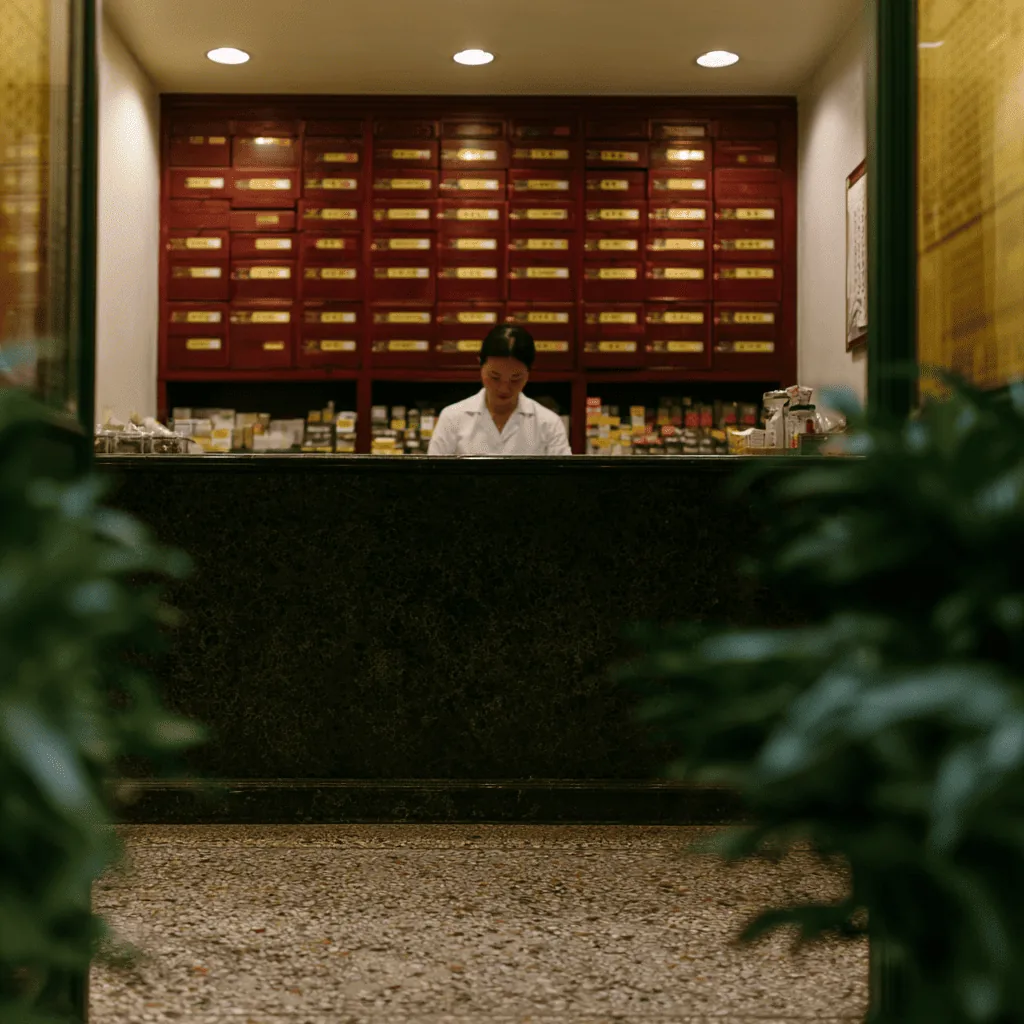
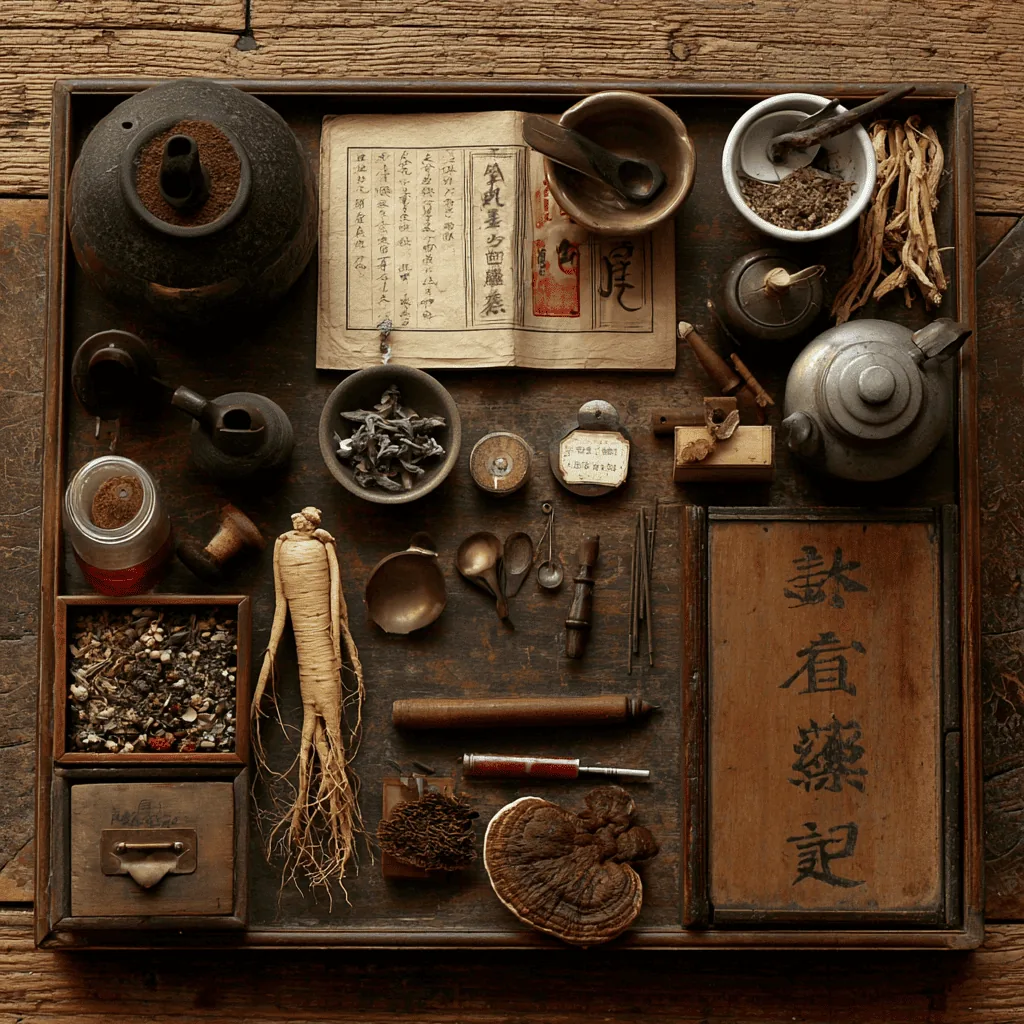
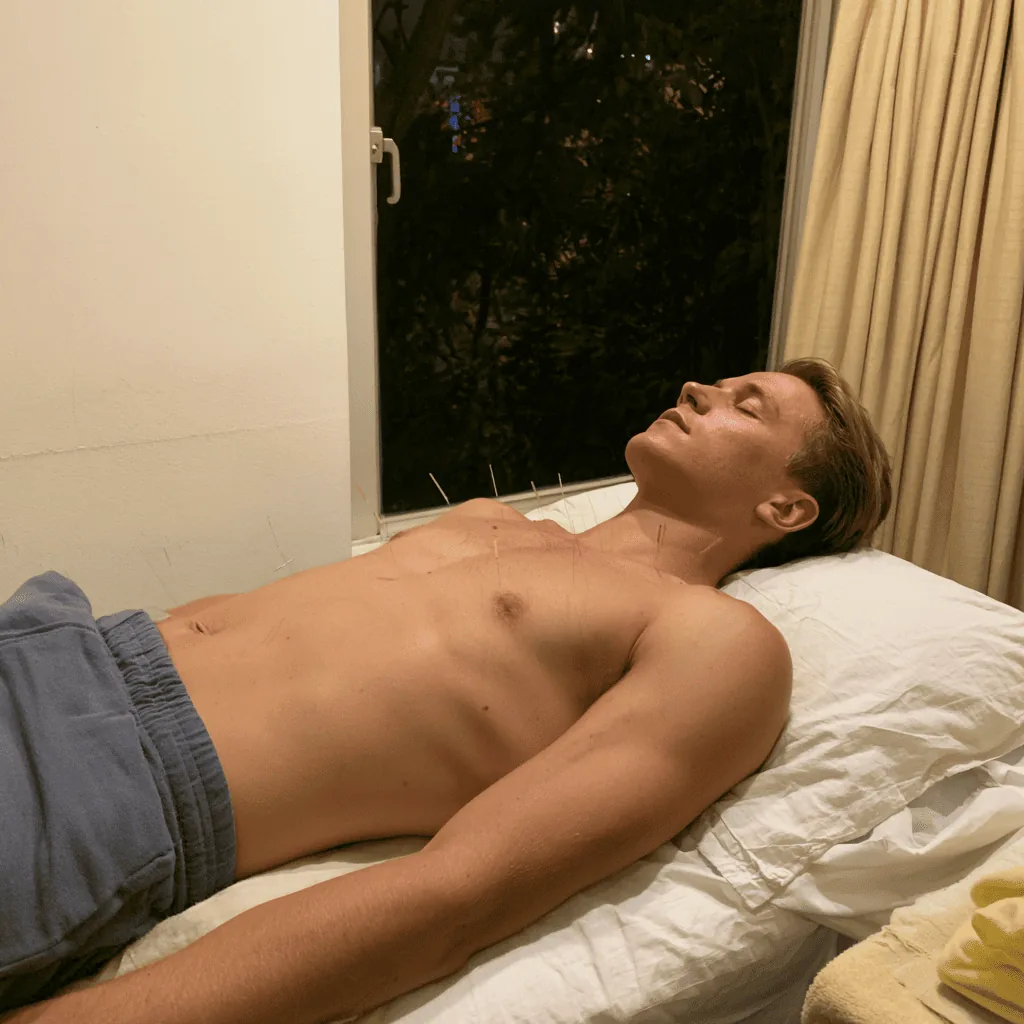
I was at a TCM hospital in Bao’an, holding one of those soft pouches from the pharmacy, the kind you tear open and sip, dark and bitter and earthy. I'd had acupuncture earlier. I remember lying there thinking, I have absoultely no framework for any of this. Nothing in my Western, science-trained brain knew what to do with a needle in my hand and a bag of boiled herbs I couldn't name.
And yet.
Some of the sharpest scientists I know take this stuff completely seriously. My bioinformatics professors at CUHK-Shenzhen have built entire research careers around Traditional Chinese Medicine. Not to defend it, and not to dismiss it, but to study its herbs under the same rigorous, western scientific standards as any pharmaceutical compound. Their bet is bold: many of the drugs of the future are hiding inside remedies people have used for centuries, waiting for someone to isolate what actually works and prove why.
That contradiction, bitter mystery in one hand, serious science in the other, is what made me curious. And curiosity, it turns out, is the whole reason this community exists.
A quick reintroduction
If we haven't met yet: I run Longevity Shenzhen, an in-person, non-commercial community for anyone interested in longevity, biohacking, and personal health. We're a local chapter of the global Longevity Cities network, and the idea behind us is simple: longevity shouldn't be a private club for people who can afford a five-figure checkup. It should be social, practical, approachable, and open to everyone.
So every event we run is free, in person, and built around real conversations with real people.
The series is growing up
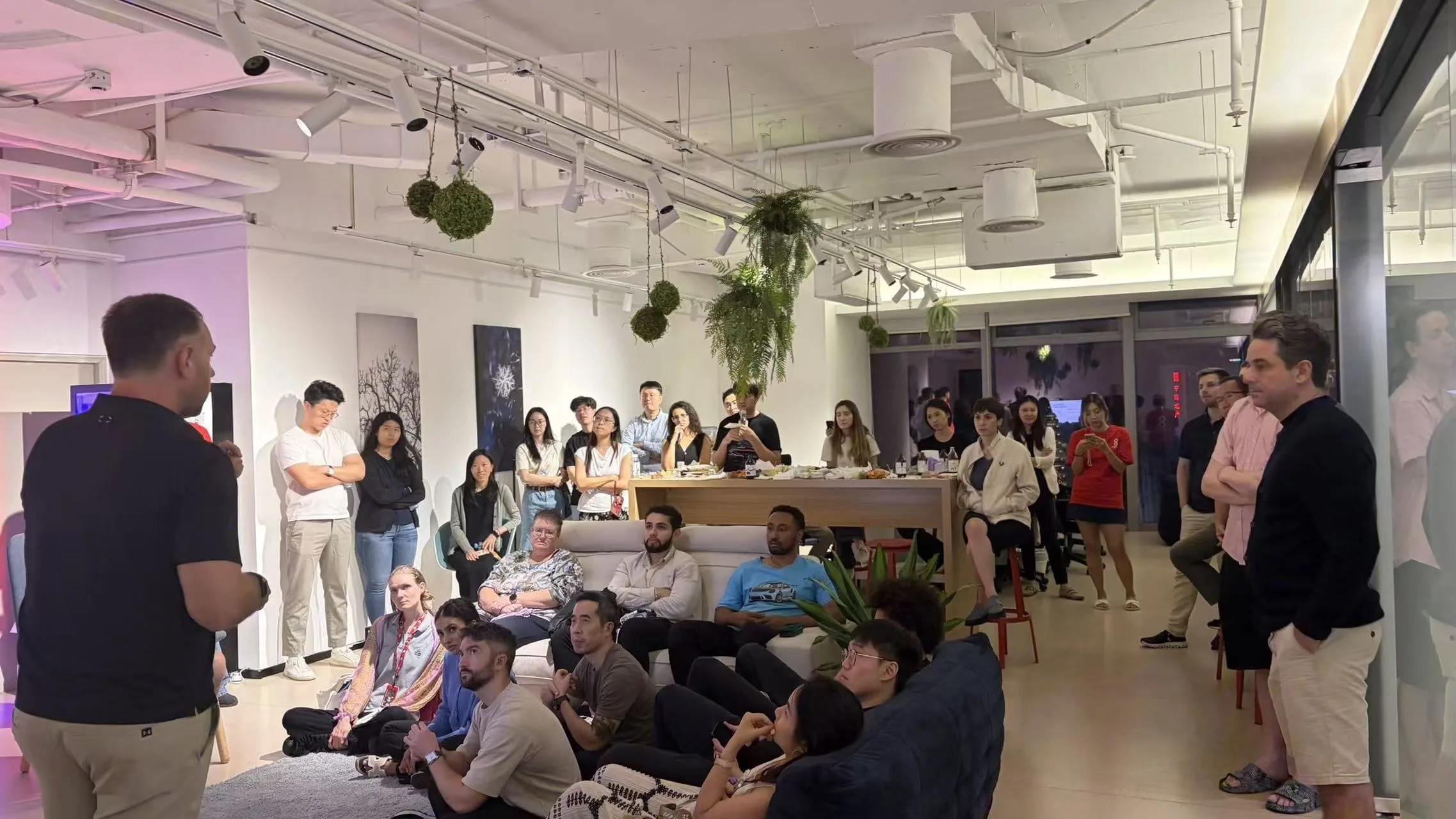
We started small, with coffees, walks, hikes, longevity dinners. Then, a few weeks ago, we began hosting speaker nights, and they've quickly become an integral part of what we do.
Our first was "Why Sleep Is the Main Pillar for Longevity" with Dr. Paul Rochon, on the science of sleep and recovery. Our second, "How Functional Medicine Influences Longevity" with Dr. Liu looked at health through the lens of root causes rather than symptoms.
If you notice a pattern, it's intentional. We're not building a series that only preaches the usual Western-biohacker gospel of wearables and cold plunges (although there is some decent stuff in that area going on in Shenzhen, too, and we will cover that!). We want to look at longevity from every serious angle we can find. Which brings us, almost inevitably, to the one angle you simply cannot ignore in China.
Why TCM, and why now
You cannot build a longevity community in China and quietly step around Traditional Chinese Medicine. It would be like studying food culture in Italy and skipping pasta.
This is a country whose traditional medical system has, for thousands of years, been organized around exactly the thing our community cares about: balance, prevention, and 养生 (yǎngshēng): the art of "nourishing life." Long before anyone tracked their HRV on a smartwatch, people here were thinking hard about how to live long and live well. That history is woven into daily life, from the herbs in the tea to the movements of elderly people early morning in parks all over the country.
Now, let me be clear about how we approach this, because it matters.
We come at TCM the way we come at everything: with curiosity and a critical, evidence-based lens. Not everything in Traditional Chinese Medicine holds up to modern scrutiny. But dismissing all of it wholesale is as lazy as swallowing all of it whole. The interesting work, the work my professors are doing, is in the middle. That's where we want to stand.
And honestly? I've realized I need to. Even among longevity geeks and Western-trained MDs, I've been asked questions about my own body through a TCM lens that I simply couldn't answer. That gap bugs me. If I'm going to talk seriously about living longer in this part of the world, I'd like to at least understand the framework that a billion people grew up inside.
So that's the question we want to explore together: is any of this actually compatible with longevity as the West understands it? Let's find out.
The next event
For our third speaker night, we're diving straight in.
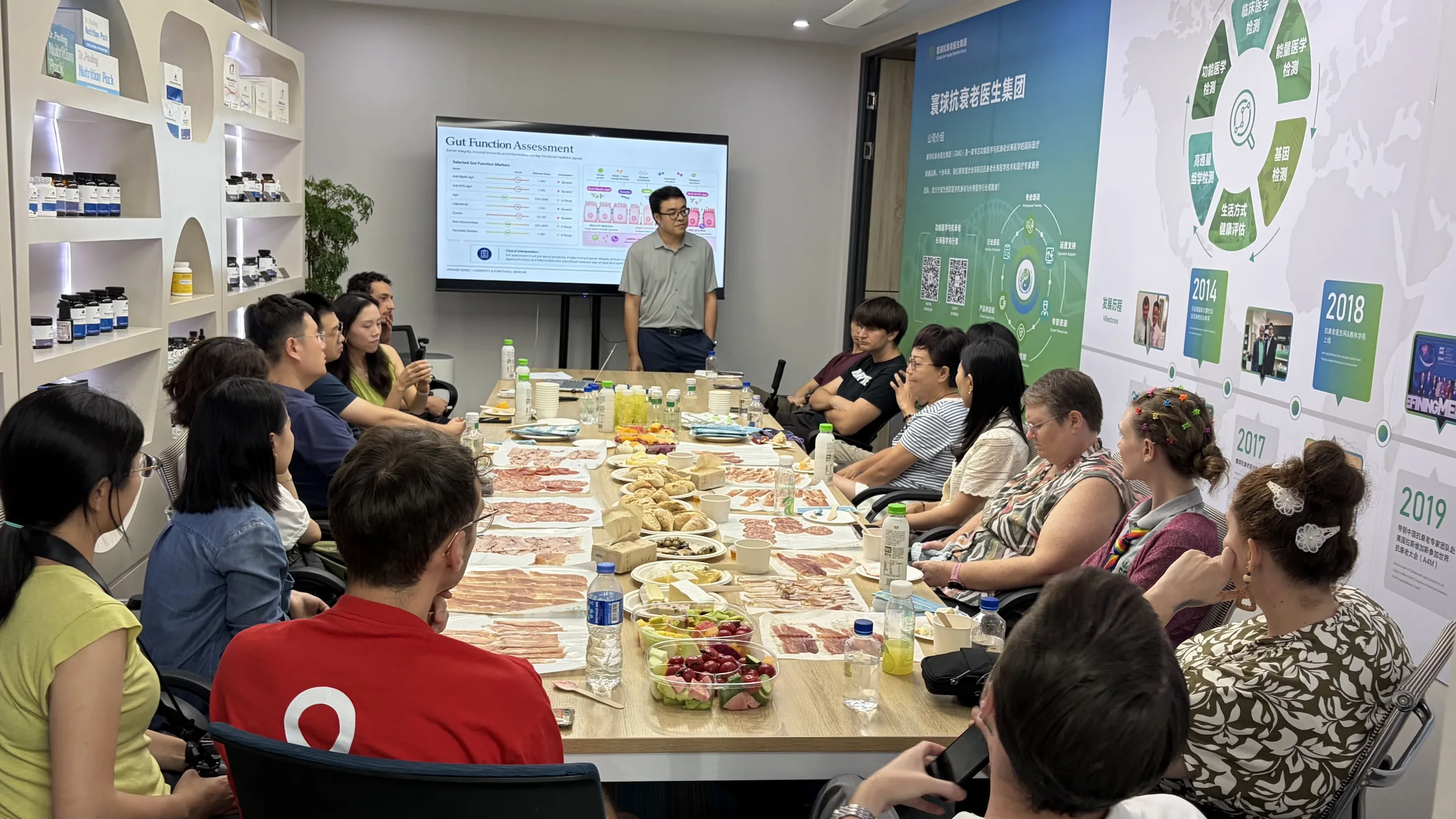
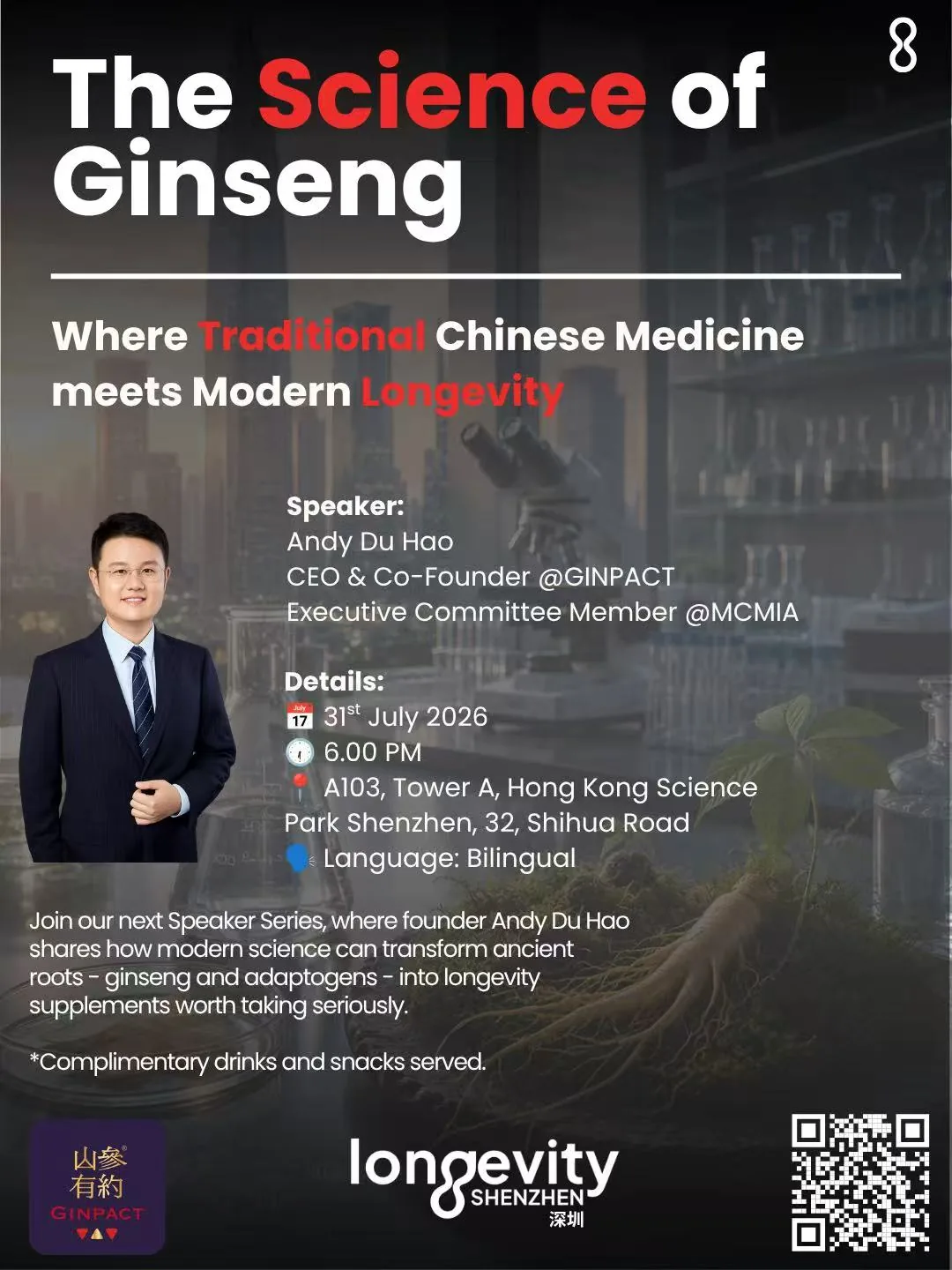
We'll be joined by Andy Du Hao, who runs GINPACT, a ginseng supplement startup built on a modern, science-first approach, alongside professors from Hong Kong who study this world academically. A nice mix of hands-on and rigorous, exactly the "middle" I mentioned above.
Details:
• When: Friday, July 31, 2026 · 6:00–8:00 PM
• Where: Hong Kong Science Park: 32 Shihua Road, Futian, Shenzhen
• Cost: Free
• Language: Bilingual (English & Chinese)
Come think it through with us
I'll leave you where I always do.
You won't live the healthiest, longest version of your life alone, and you won't think clearly about something as big and as loaded as Traditional Chinese Medicine alone, either. The best way to make sense of a topic like this is in a room, with curious people and a healthy dose of skepticism, asking better questions than you could ask by yourself.
That's what Longevity Shenzhen is for. Come join us on July 31, bring your curiosity and your doubts, and let's figure out together whether 2,000 years of tradition has something to teach the future of longevity.
Pinky promise, you won't regret it.
Feel free to add me "safariflex" on WeChat or scan the QR below if you have any questions.
Longevity Shenzhen is a non-commercial, in-person community and a local chapter of the global Longevity Cities network. All events are free and open to everyone.
Keep reading
All in Articles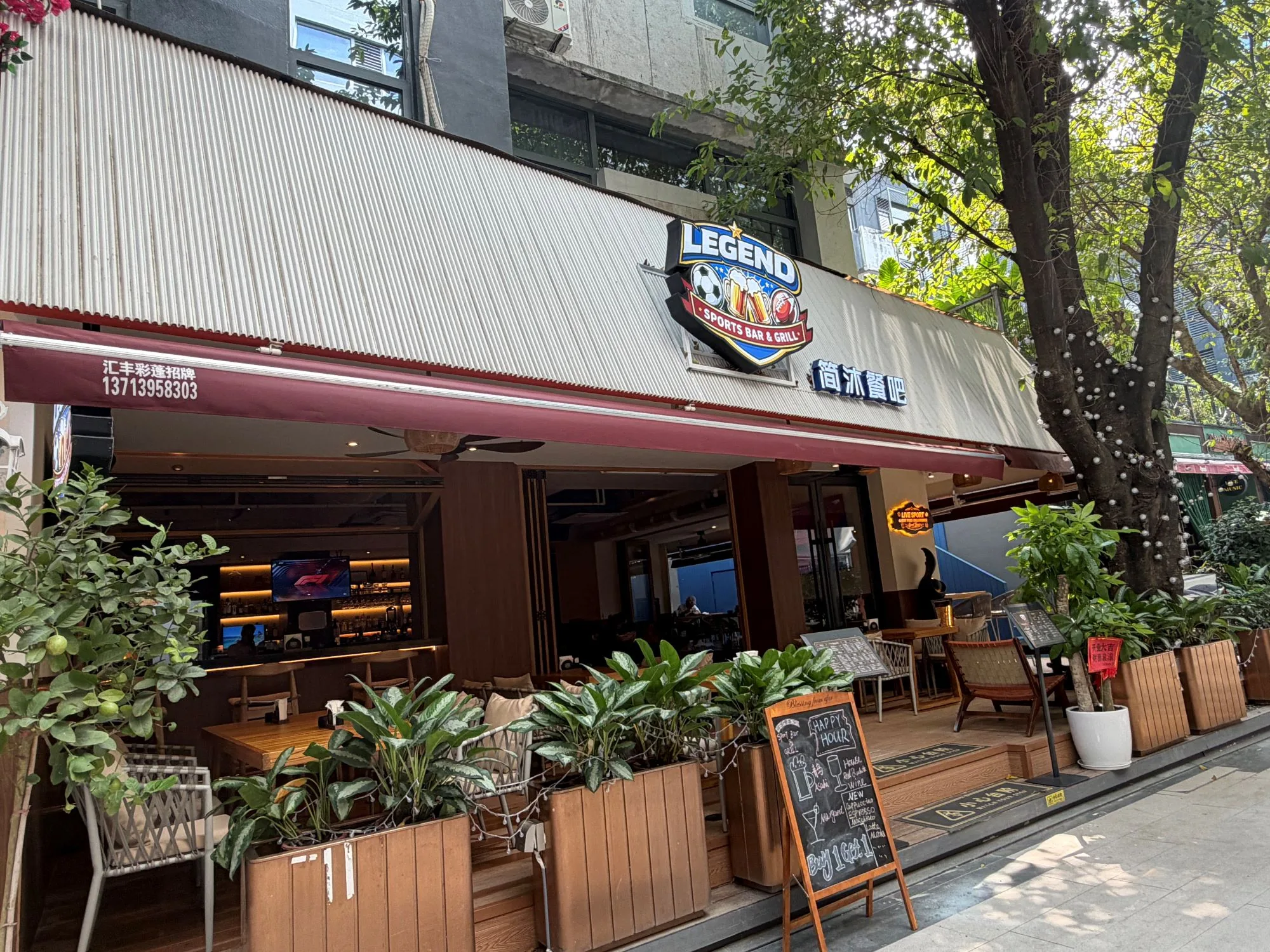
Legend Levels Up: Shekou's Beloved Hangout Reinvents Itself as a Sports Bar & Grill
Some bars are places you go. Legend is a place you return to. For six years, this Shekou staple has anchored the corner of Nanhai Yiku, pouring...

Free Sky Observation Deck: Shenzhen's Window to the Clouds at 547.6 Meters
High above the pulsating heart of Shenzhen, the Free Sky Observation Deck commands the 116th floor of the Ping An Finance Center at a...

China's New Kind of Pet Remembers Your Conversations, Never Needs a Vet, and Doesn't Pee on the Carpet
I once wrote about dogs in strollers in China, and after that I stopped being surprised by what comes rolling towards me in a shopping mall. Baby,...