
Elevators in Shenzhen – Vertical Self-Help Groups at the Push of a Button
By Nowshenzhen · September 13, 2025 · 4 min read · 👁 1,174 views

Up, down, nobody else in – the secret rulebook of button logic
Elevators in Shenzhen aren’t just elevators. They’re social experiments, moving aquariums where you can watch people. In Europe you step in, press 5, wait, done. In Shenzhen the elevator is a chapter in urban survival—part sociology, part slapstick, part test of lung capacity.
It already starts at home. Half-asleep, toothbrush still dangling from your mouth, you step into the lift with 23 neighbors. At least five are blasting voice messages that sound like they’re negotiating the next OPEC deal. Children scream, dogs bark, grandmothers haul vegetable sacks that could double as sandbags in a flood defense. And me, right in the middle, just trying not to become an accidental chew toy for a dachshund.
The buttons are their own tragicomedy. In Germany you press your floor and wait. In Shenzhen everyone presses everything. Twelve floors up, all the lights on, the elevator glowing like a Christmas tree wired by a lunatic electrician. Nobody remembers where they’re going. One man hops off at 3, a woman at 7, kids dash out on 8 and straight back in—because they’ve discovered elevator riding as a competitive sport. By the time you crawl to the 20th floor, you could have flown to Shanghai, had a beer, and flown back.
Office towers aren’t kinder. There the lift turns into a fragrance library. Perfume, hairspray, garlic from breakfast, and a discreet whiff of sweat fight for supremacy. You can literally sniff the org chart. Marketing reeks of vanilla and Chanel, engineers smell like motor oil and fried noodles, chefs carry garlic clouds big enough to season the whole lobby, and the boss—he smells like cologne and self-importance, the kind that fills the cabin before he even speaks.
Talk is rare, but when it happens it’s surreal. Everyone usually stares at the display as if world peace depends on reaching floor 19. But then two colleagues suddenly burst into KPIs, ROI, “core business,” as if the elevator were a Harvard case study. Next to them stands the cleaning lady with her mop, who knows more about business than the lot of them: dirt in, dirt out, invoice paid.
Then comes humiliation deluxe: someone shouts “Hold the door!” You reach heroically for the open-arrows button—press, press, press… nothing. The door glides shut like an opera curtain, whispering, “Not today.” You stand there, the idiot who just lost a wrestling match with a single button, while the poor soul outside pounds on the steel. The “close” button? Same joke. You hammer it like a caffeinated chimp, hoping to speed things up—and still the door closes at its own pace.
And then the third, unspoken rule: not open, not close, but “Nobody else in!” That moment when you’re finally inside, finally breathing, and you see a stranger sprinting toward the door, arm out, eyes pleading. Suddenly you hammer the close button with the conviction of someone defending Western civilization. Everyone in the lift knows it, no one says a word: we all just want to get up or down without another body squeezed in. The door becomes a fortress. You pretend your finger is innocent. Heroic naivety, sweaty pressing, and of course—the door closes in slow motion, as always, and the newcomer still slides in. Public defeat, round one.
Luxury hotel meetings add rocket fuel. These elevators shoot seventy floors in twenty seconds, so fast you suspect gravity just took a cigarette break. The stomach stays politely in the lobby, the head is already shaking hands on floor 68. For a split second you think about getting out—this thing shoots up so fast you half expect to crash straight through the rooftop.
The late-night rides are the most telling. You’re locked in with strangers: a man drenched in whisky, a woman in yoga spandex, a teenager with a VR headset still on. Nobody talks, but everybody knows. And everyone silently prays the lift won’t stall. Because if it does, the capsule turns into a twelve-square-meter support group: “Hi, I’m Wang, I just wanted the 12th floor.”
Technology, too, has its sense of humor. Doors that slam shut if you so much as exhale. Doors that stay open while people inside celebrate birthdays. And always that little sign: “Lift under repair.” In Germany you’d wait weeks. In Shenzhen five minutes later a mechanic arrives, pokes, hammers once, nods, and everything works again—until his next coffee.
And then the etiquette, that silent ballet: eyes glued to the display, bodies glued to the wall, no movement, no emotion. Except for one guy, always. He plants himself square in the middle, as if auditioning for King of Shenzhen. The rest of us flatten against the walls, pretending this is normal urban geometry.
And so I ride these vertical capsules day after day. Sometimes as an extra in absurd theater, sometimes the victim of collective button lunacy, sometimes a spectator of a full-bodied fragrance war. The elevator—in Shenzhen not transport, but a cultural laboratory. Survive that, and the meeting upstairs is only the second-worst part of the day.
Keep reading
All in Articles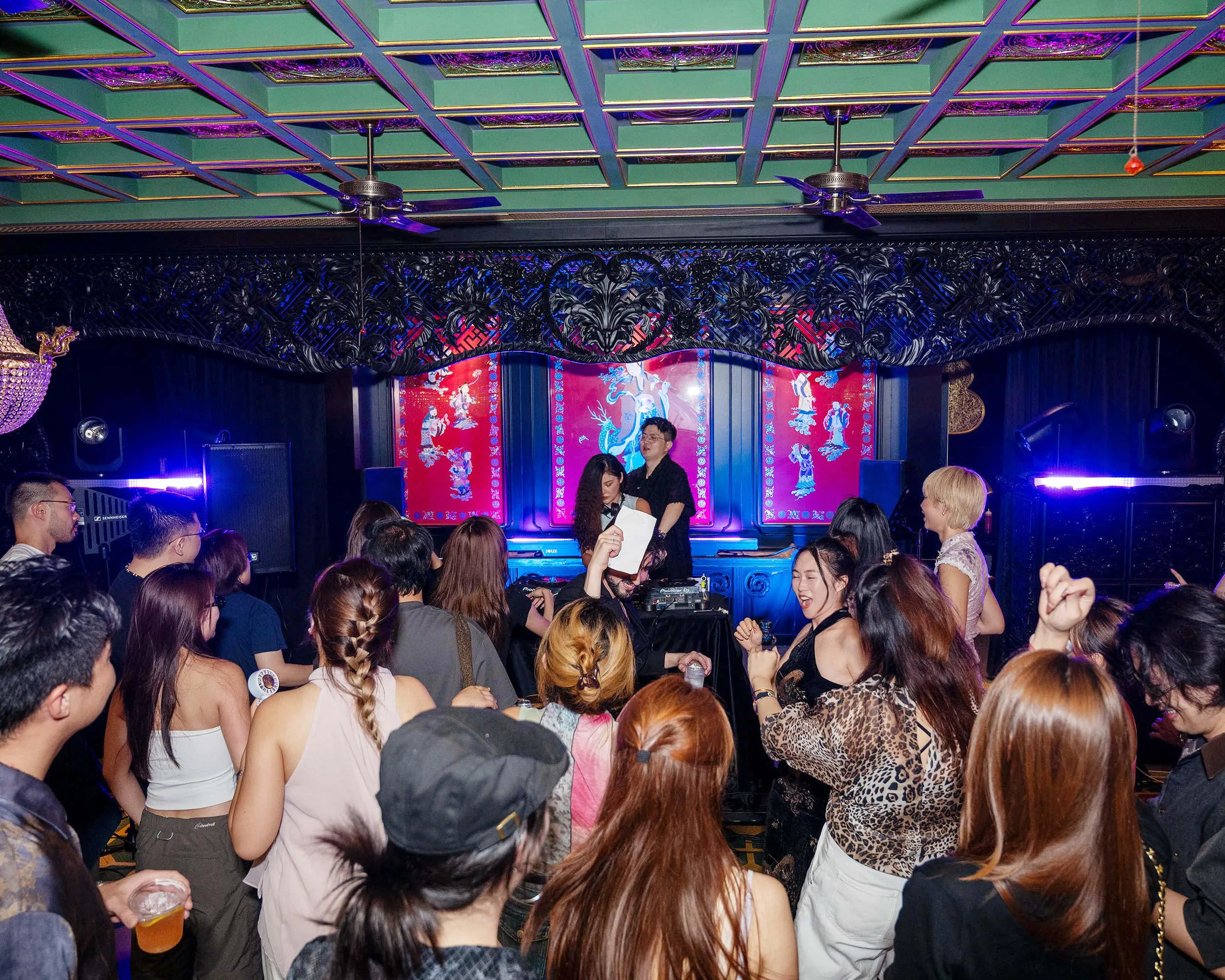
Ours Dim Sum Rave: Where Dim Sum Met the Dance Floor
Ours has done it again, this time, dropping electronic beats right into the heart of a tea house steeped in the nostalgic charm of 20th-century Hong...
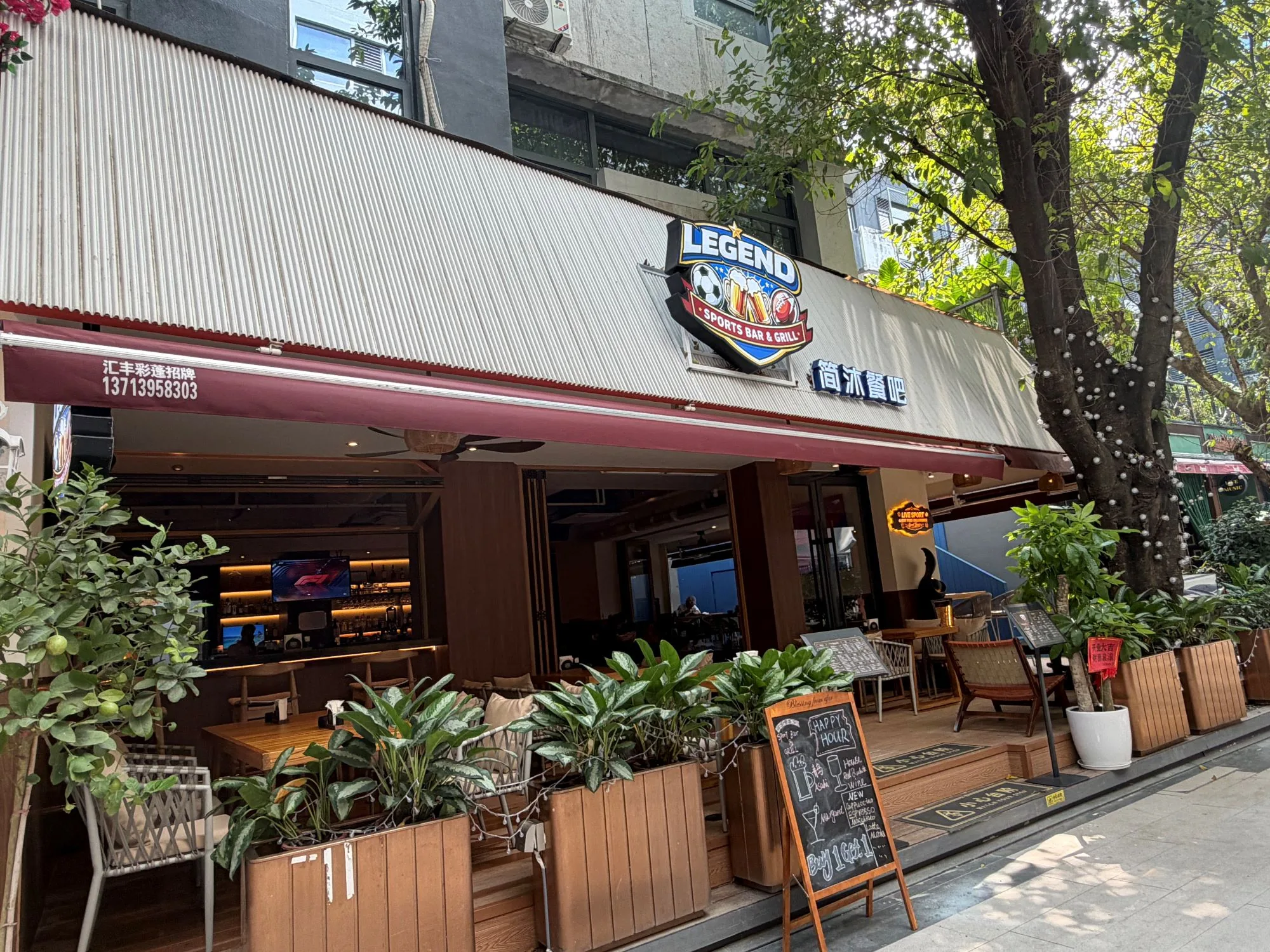
Legend Levels Up: Shekou's Beloved Hangout Reinvents Itself as a Sports Bar & Grill
Some bars are places you go. Legend is a place you return to. For six years, this Shekou staple has anchored the corner of Nanhai Yiku, pouring...
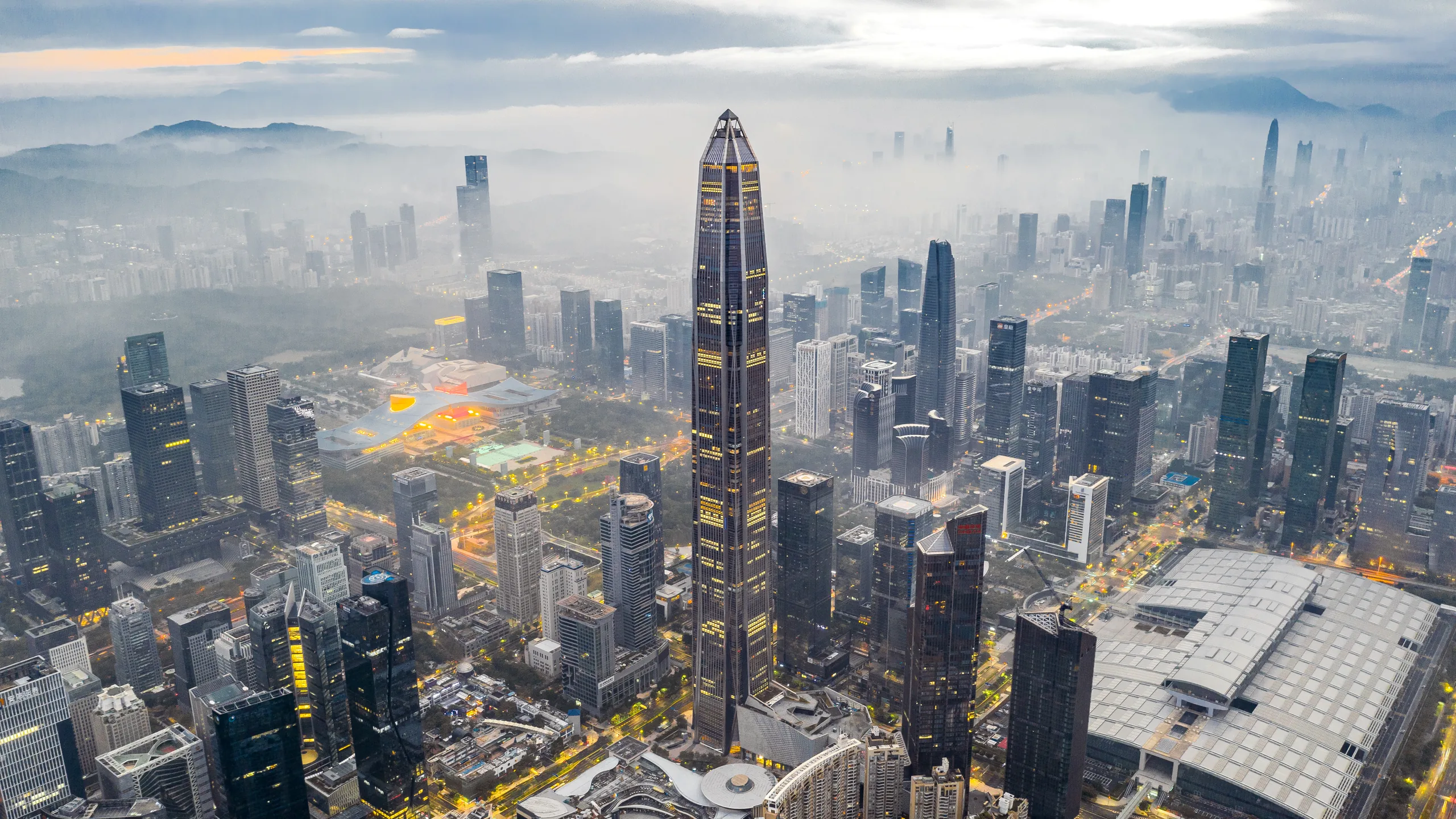
Free Sky Observation Deck: Shenzhen's Window to the Clouds at 547.6 Meters
High above the pulsating heart of Shenzhen, the Free Sky Observation Deck commands the 116th floor of the Ping An Finance Center at a...