
How Shenzhen Learned to Trust Chatbots Before Questioning Itself
By mflorido · May 27, 2026 · 5 min read · 👁 48 views

If you live in Shenzhen long enough, you eventually develop a healthy distrust toward everything that suddenly gets called “the future.” Because in Shenzhen, the future does not arrive slowly. It arrives like a delivery driver on an electric scooter during heavy rain: fast, silent and with absolutely no regard for human survival.
First, suddenly everybody was talking about ChatGPT. Which, officially, did not really work properly in China anyway. But China would not be China if the country had not collectively decided about five minutes later:
“Fine. Then we will simply build our own versions.”
And suddenly DeepSeek, Doubao and what felt like a brand new AI app every second day appeared, all claiming to be faster, smarter and more revolutionary than the last one.
And what fascinates me about all this is how unbelievably fast it happened.
Not long ago, people asked coworkers for advice.
Today, they ask their phone first.
Years ago, someone walked into the office and said:
“I’ve been thinking about something.”
Today some guy named Kevin sits in front of you with a half-empty protein shake and says in a deadly serious voice:
“The AI says…” 😂
And from that exact moment on, things slowly become dangerous.
Not because AI itself is bad. Quite the opposite. For translations, texts, ideas or quick information, the whole thing is often genuinely impressive. The real problem only starts when people suddenly accept everything as truth simply because a machine said it.
And that is exactly what you now see everywhere.
Inside my own company, people sit in front of technical issues, production problems or research questions and suddenly someone calmly says:
“But the AI said this works.”
And that is where things become difficult 😄
The AI probably explained to some guy in Shenzhen yesterday that you can safely secure a forty ton shipping container using three zip ties, one QR code and “Brother trust me.” 😂
And suddenly nobody questions anything anymore.
That is the real problem. Not the machine itself. The problem is that people slowly stop questioning things on their own.
And it happens frighteningly fast.
Years ago, people at least spent a few seconds asking themselves whether something sounded logical. Today all you need is a professionally written paragraph, three bullet points and a diagram, and suddenly complete nonsense starts looking like a scientific breakthrough.
What makes it especially fascinating in China is that new technologies are not tested carefully here. Shenzhen observes something for approximately twelve minutes and then collectively decides:
“Yeah okay. Starting tomorrow we do everything like this.”
And suddenly people start talking to apps like they are real human beings.
“Good morning, Doubao.”
And Doubao politely replies:
“Good morning. I wish you a productive and successful day.”
And somewhere, someone genuinely sits there thinking:
“Yes. Thank you.”
Then it immediately continues:
“I want to lose weight.”
“What should I eat today?”
“How should I reply to my girlfriend?”
“Do you think my boss respects me?”
“Why do I feel strange today?”
“How do I look in this photo?”
And the AI answers everything with the same calm confidence, as if it had spent its entire life together with you somewhere in Shenzhen between production lines, cable drums and instant noodles 😄
You ask:
“Can this motor really operate with only one bearing?”
And the AI calmly answers:
“Yes, of course. This saves fifty percent bearing costs. The second bearing mainly provides emotional support. A car also drives with four wheels and not eight.” 😂
And the crazy part is: the answers often sound surprisingly friendly. Patient. Motivating. The AI does not interrupt you. The AI does not become annoyed. The AI never says:
“Can you please get to the point now?”
For some people, that is probably very pleasant.
Maybe even a little too pleasant.
And that is where the whole thing suddenly becomes interesting.
Because I believe many people are no longer using AI purely for information anymore. Some people use it against boredom. Against loneliness. Against that strange feeling of sitting alone in an apartment at night while somewhere outside the city keeps glowing endlessly.
And Shenzhen is probably the perfect city for this.
The city is fast. Loud. Crowded. Millions of people everywhere. And yet people here can feel unbelievably alone. Many work all day long. Many live alone. Many barely have time for real conversations, but always have time for a small glowing screen that instantly replies.
Years ago, people had teams. Today, some people have five AI apps.
And sometimes the whole thing becomes completely absurd 😄
Coworkers suddenly sit next to each other and instead of simply discussing something together, everybody first asks their own AI. Afterwards they compare the answers like football scores.
One guy says: “DeepSeek says something different. It says this won’t work.”
The next one replies:“But Doubao says it works.”
And suddenly there are no longer two engineers sitting there… but basically four chatbots trapped inside human bodies 😂 At some point I will probably just say:
“You know what? Let your chatbots talk directly to each other. That would save everyone even more time.” 😄
Of course, there is also something deeply impressive about all this. The speed of development is insane. Things that once required hours now take minutes. Translations. Texts. Summaries. Ideas. Assistance.
But at the same time, you also start noticing how incredibly lazy we are slowly becoming 😄
Why think for yourself when the machine already throws out an answer after 0.4 seconds with maximum confidence?
Why call someone when the AI replies more politely than half your relatives?
Why argue with coworkers when the app never gets offended, never takes smoke breaks and explains even the greatest nonsense with the calmness of a Buddhist monk? 😂
And that is perhaps the strangest part of this entire story. We built machines to help us.
And now people sit alone in their apartments at night having conversations with software because the replies have slowly become more pleasant than real human beings.
Maybe this is simply progress.
Maybe this is just the modern world.
Maybe this has already become completely normal 😄
Although honestly… the whole thing started long before AI.
People were already sitting next to each other in cafés while spending three hours scrolling through TikTok searching for motivational quotes instead of actually talking to each other 😂
But now the whole thing has reached an entirely new level.
At some point, two people will probably really sit next to each other in a café. Both silently staring at their phones, typing their thoughts into their own AI… and afterwards reading the answers out loud to each other 😄
And in the end, the humans probably will not even understand each other anymore, only the two chatbots quietly communicating in the background. And honestly?
If that happens, Shenzhen will probably just nod briefly and say:“Yeah okay. Works perfectly.
First people outsourced the work to machines… and later they outsourced the thinking too.” 🙂
Chris Gassner
Keep reading
All in Articles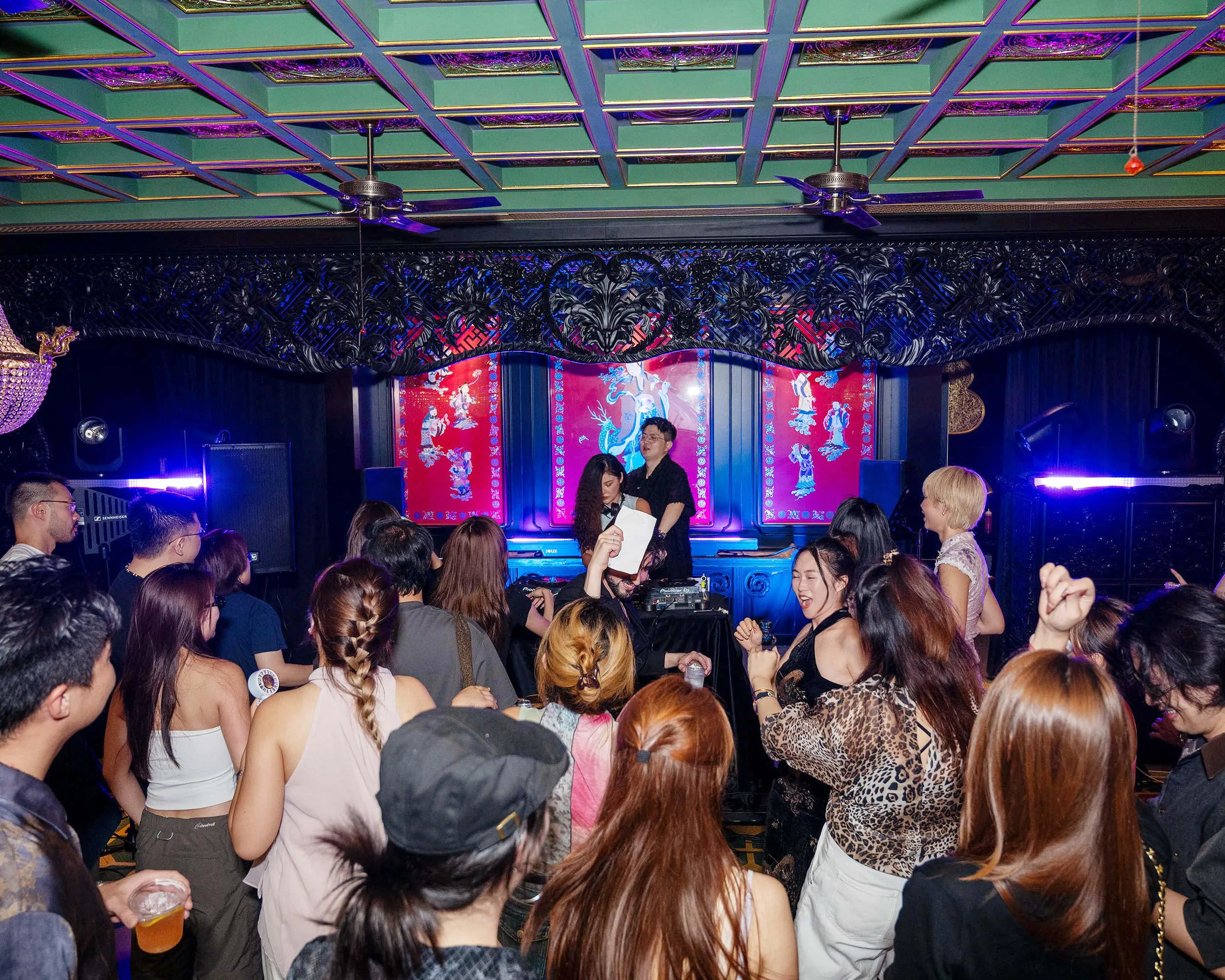
Ours Dim Sum Rave: Where Dim Sum Met the Dance Floor
Ours has done it again, this time, dropping electronic beats right into the heart of a tea house steeped in the nostalgic charm of 20th-century Hong...

Legend Levels Up: Shekou's Beloved Hangout Reinvents Itself as a Sports Bar & Grill
Some bars are places you go. Legend is a place you return to. For six years, this Shekou staple has anchored the corner of Nanhai Yiku, pouring...
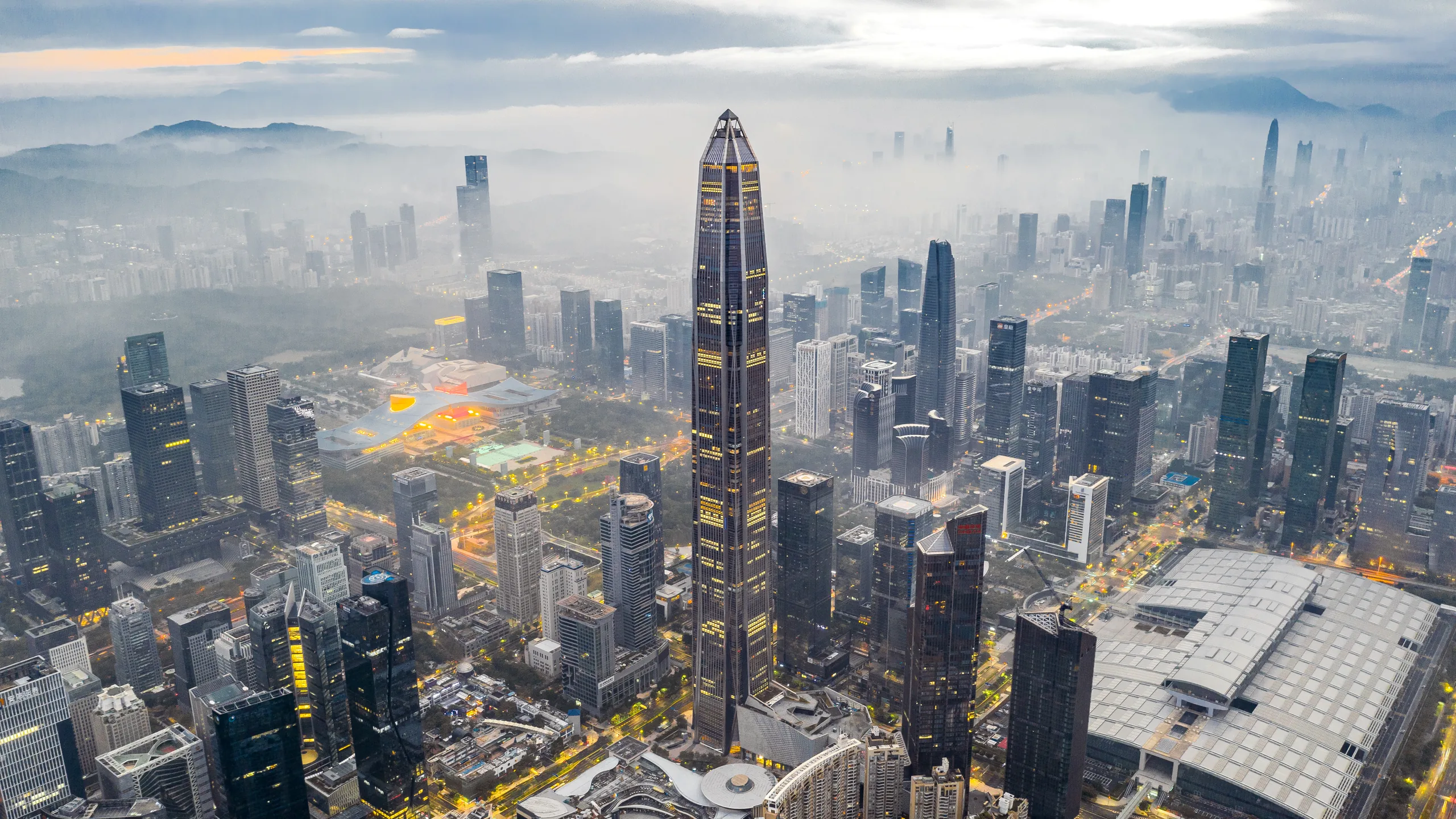
Free Sky Observation Deck: Shenzhen's Window to the Clouds at 547.6 Meters
High above the pulsating heart of Shenzhen, the Free Sky Observation Deck commands the 116th floor of the Ping An Finance Center at a...