
Respect The Mooncake: Just Don't Make Me Eat a Whole One
By Chris Gassner · September 25, 2026 · 6 min read · 👁 0 views
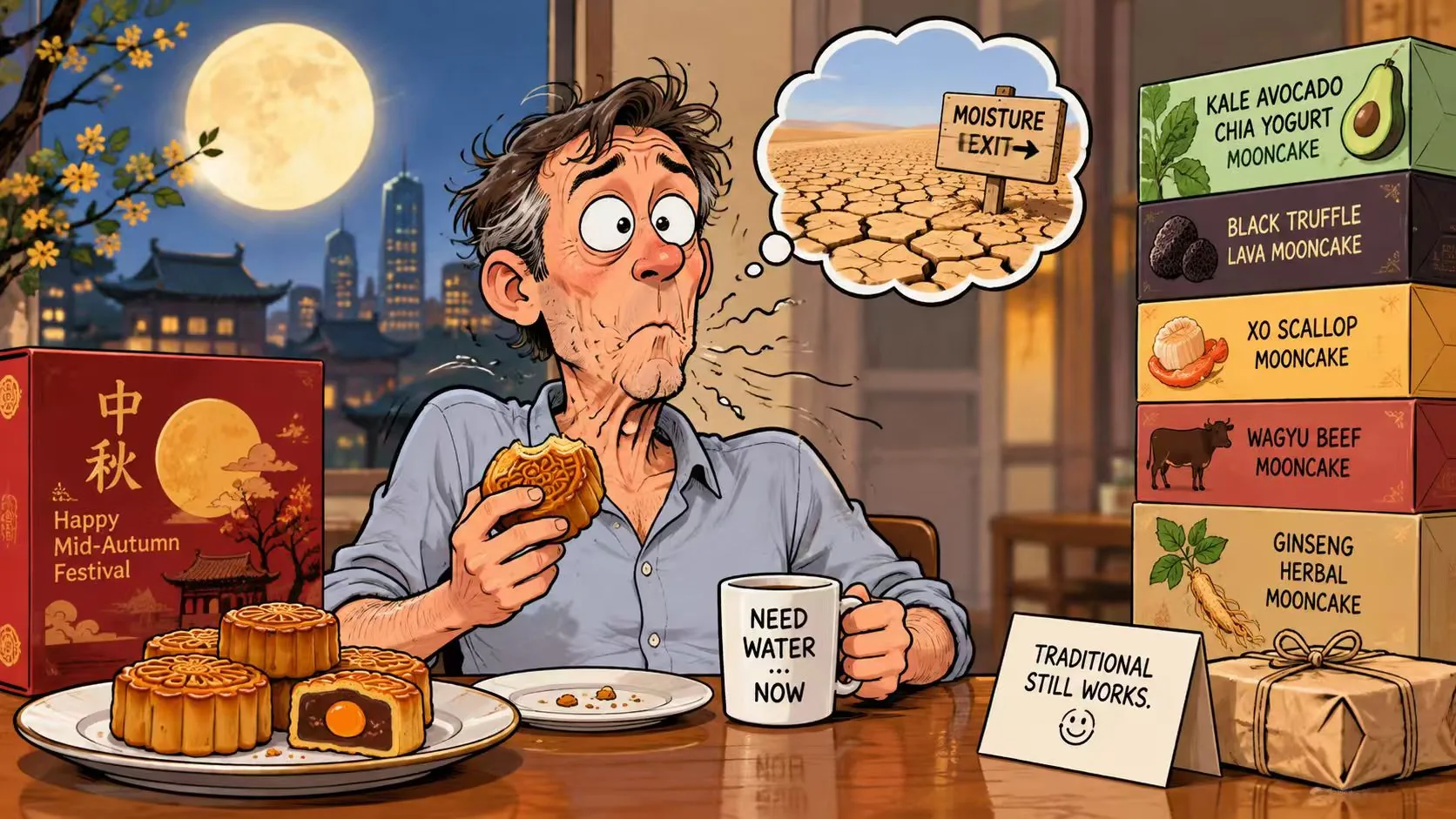
There are foods you buy because you are hungry. A sandwich, for example. Pizza. Or the things you end up eating at 10:30 at night, standing in front of the open fridge and seriously wondering whether two slices of cheese with mustard already qualify as dinner. And then there are mooncakes. I have lived in China long enough to make one reasonably confident claim: I have never met anyone who, on a completely ordinary Tuesday at 3:40 in the afternoon, suddenly said, “My God, what I wouldn’t give for a nice lotus seed paste mooncake with two salted duck egg yolks.” It doesn’t happen.
Nobody gets mooncake cravings. Mooncakes do not appear because your stomach calls for them. Mooncakes appear because the calendar orders them to. Mid Autumn Festival falls on September 25 this year, which means we are once again entering that short period when a substantial part of China distributes, cuts, examines, discusses and subdivides small round pastries into astonishingly precise geometric units. The holiday itself runs from September 25 to 27.
Let me say this clearly: I have a great deal of respect for the tradition. I just don’t particularly enjoy eating mooncakes. Respect and appetite are two separate departments. I also respect traditional Chinese opera, but I still would not ask anyone to perform it for me while I brush my teeth in the morning. Over the years, I have tried with mooncakes. I really have. I have worked my way through lotus paste, bean paste, nuts and various versions involving egg yolks … none, one, two, and probably enough combinations to qualify as field research. Mooncakes that were soft. Mooncakes that were firm. And mooncakes where, after the first bite, I briefly checked the underside to see whether “Building Material Grade B” had been stamped onto it. Some are dry in a way that makes the word “dry” feel technically inadequate. You take a bite and immediately feel as though the mooncake is sucking your mouth and throat dry like an industrial sponge. Your tongue sticks to the roof of your mouth, your lips pull tight, and somewhere deep inside your body a kidney quietly says, “Chris, we need to talk.”
Then there is the egg yolk. Salted duck egg yolk, by the way, not goose egg, which is how I had somehow stored it in my head for years. In classic Cantonese mooncakes, the yolk sits in the center and symbolizes the full moon. Culturally, that is beautiful. Culinary speaking, it leads me to a different question: Why is there suddenly an egg in there? You have just managed to make peace with the sweet lotus paste, your mouth has accepted the situation, and then a salty egg yolk appears from the center like a department manager who has heard about a meeting and decided to attend without being invited. Plenty of people love that combination. I am simply not one of them. At 53, I no longer need surprises in my pastry. If I bite into something sweet, I would now prefer to know in advance whether poultry is going to appear halfway through.
What has comforted me over the years is one particular observation: Chinese people themselves do not always treat mooncakes the way people normally treat food they absolutely love. Take chocolate. Put an open bar of chocolate in an office. One hour later, it is gone. Nobody knows anything. Everyone is innocent. Accounting claims they were in a meeting all morning. Now put a box of mooncakes in the same office. First, everyone admires the box. Then it gets opened. Eventually, a knife appears. And this is where things become fascinating. The mooncake is cut in half. Then into quarters. Then the quarters are divided again. Sometimes the pieces become so precise that you would normally need a laser cutter to produce them. Eight people stand around the plate. Everyone takes an eighth. Or a sixteenth. Eating an entire mooncake, by contrast, starts to feel less like a snack and more like a personal commitment. “Would you like another one?” “Oh no no no, I’m full.” Of course you are full. You have just eaten fourteen grams of cake.
I am not entirely imagining this, either. A Shanghai survey some years ago found that 34.7 percent of respondents considered mooncakes too sweet. Another 8.6 percent said they neither bought nor ate them at all. In 2025, the South China Morning Post also reported that plenty of mooncakes given as gifts are never actually eaten. That does not mean Chinese people do not like mooncakes. Millions do. The mooncake simply occupies an odd little territory somewhere between pastry, family tradition and seasonal obligation. You do not necessarily eat one because your body has suddenly developed an urgent need for 700 grams of lotus paste. You eat a piece because Mid Autumn Festival has arrived and apparently this is now your responsibility.
And apparently the mooncake industry has noticed that the classic product occasionally has a few difficulties with the modern consumer. Too sweet, too fatty, too heavy, too large. What would a normal industry do in a situation like this? Make the product lighter. What does the mooncake industry do? It develops a Low Sugar Kale Avocado Chia Seed Yogurt Mooncake. I did not invent this. It really exists in 2026. In Xiamen this year, reduced sugar mooncakes appeared with kale, avocado, chia seeds and yogurt. Elsewhere, there are Avocado Custard Lava, Black Truffle Lava, Chocolate Popping Candy, XO Scallop, Wagyu Beef, and versions with American ginseng and Chinese medicinal herbs. I would like to stop for a moment at Kale Avocado Chia Yogurt. That is not a flavor. That is a grocery list. All of that. In a mooncake.
Imagine the product meeting. “People say mooncakes are too heavy.” “Okay.” “What do young people like?” “Avocado.” “Put it in.” “Chia.” “Put it in.” “Yogurt.” “Put it in.” “Kale.” Brief silence. “Put that in too.” Somewhere in the corner, a 76 year old grandfather is sitting with his traditional Five Nut mooncake and quietly wondering: What exactly did we ever do to you? Even better are the herbal mooncakes. Huangjing. Dangshen. Ginseng. Mooncake combined with traditional Chinese wellness ingredients. At last, the boundary between bakery and pharmacy has disappeared completely. You no longer know whether you are supposed to eat the mooncake or take it twice daily after meals. Have you taken your mooncake yet? No, I’m not allowed another one until eight. Maybe next year they’ll come with a QR code or a leaflet listing the side effects.
At the same time, while some mooncakes are getting more and more experimental, many people are going back to the old, simple varieties. Nuts. Sesame. Date paste. Red bean. Less sugar. Less theater. Some traditional bakeries are even selling them again simply wrapped in kraft paper and tied with string. After years of trying to reinvent itself, the mooncake seems to be doing what many of us do after fifty: going back to what worked in the first place. I quite like that.
Maybe the pastry itself is almost beside the point. Mid Autumn Festival is really about people knowing what time of year it is, where they should be, and who they should be sitting with.
Families come together. They sit together. They look at the same moon. And somewhere on the table is this round pastry that has been part of the occasion for generations. Some people genuinely love it, some mainly love what it represents, and some take a piece so small that it could probably be handled with tweezers. It does not really matter. It is there. And perhaps that is why a mooncake is less a cake than a calendar. It says: Another year has passed. Come home. Sit down together. Look at the moon. And take a piece. A small one. A very small one. Really, just a tiny one for me. And if there is salted duck egg yolk inside … Give mine to Grandma.
Happy Mid Autumn Festival.
Chris Gassner
Keep reading
All in Articles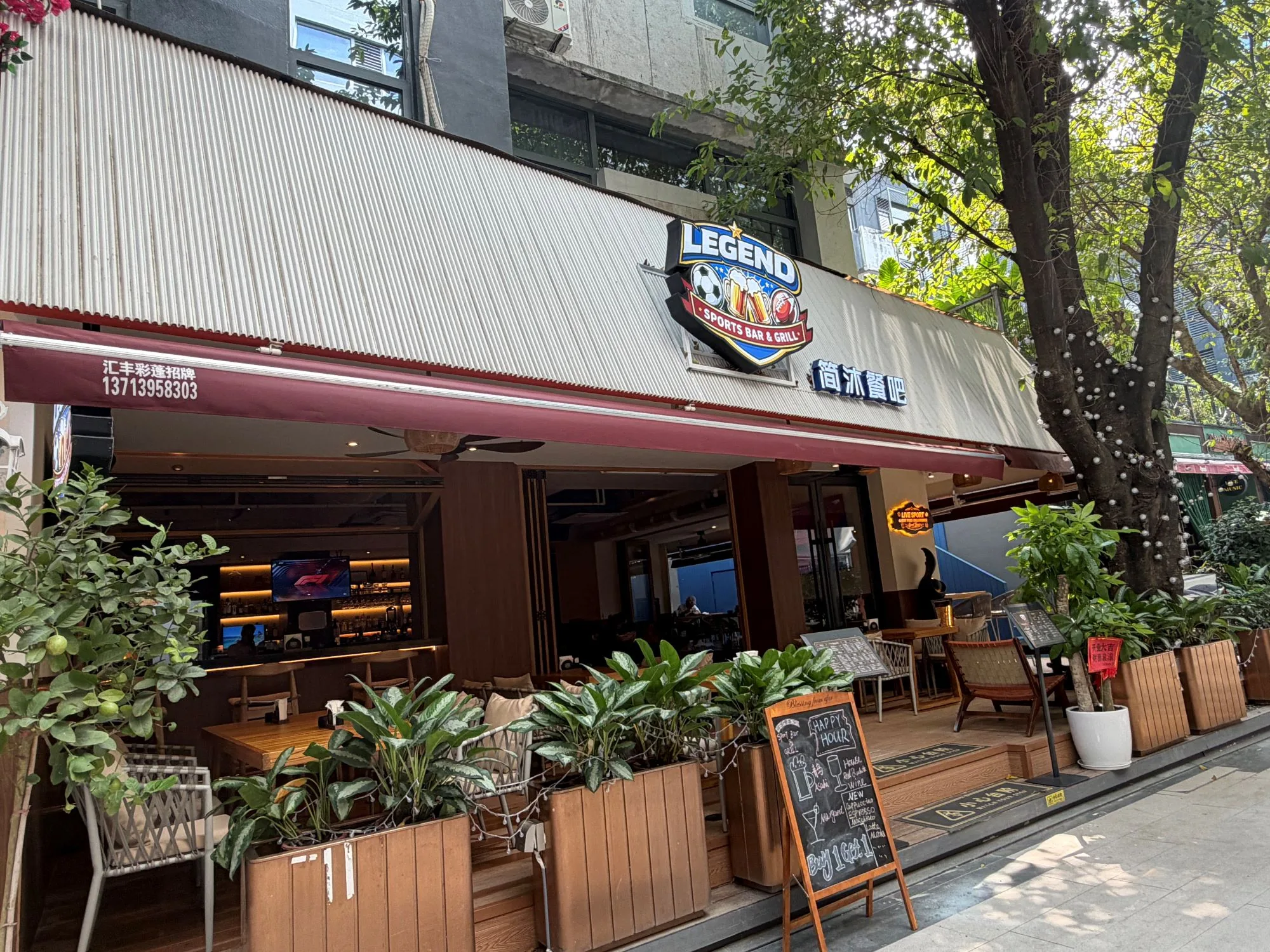
Legend Levels Up: Shekou's Beloved Hangout Reinvents Itself as a Sports Bar & Grill
Some bars are places you go. Legend is a place you return to. For six years, this Shekou staple has anchored the corner of Nanhai Yiku, pouring...
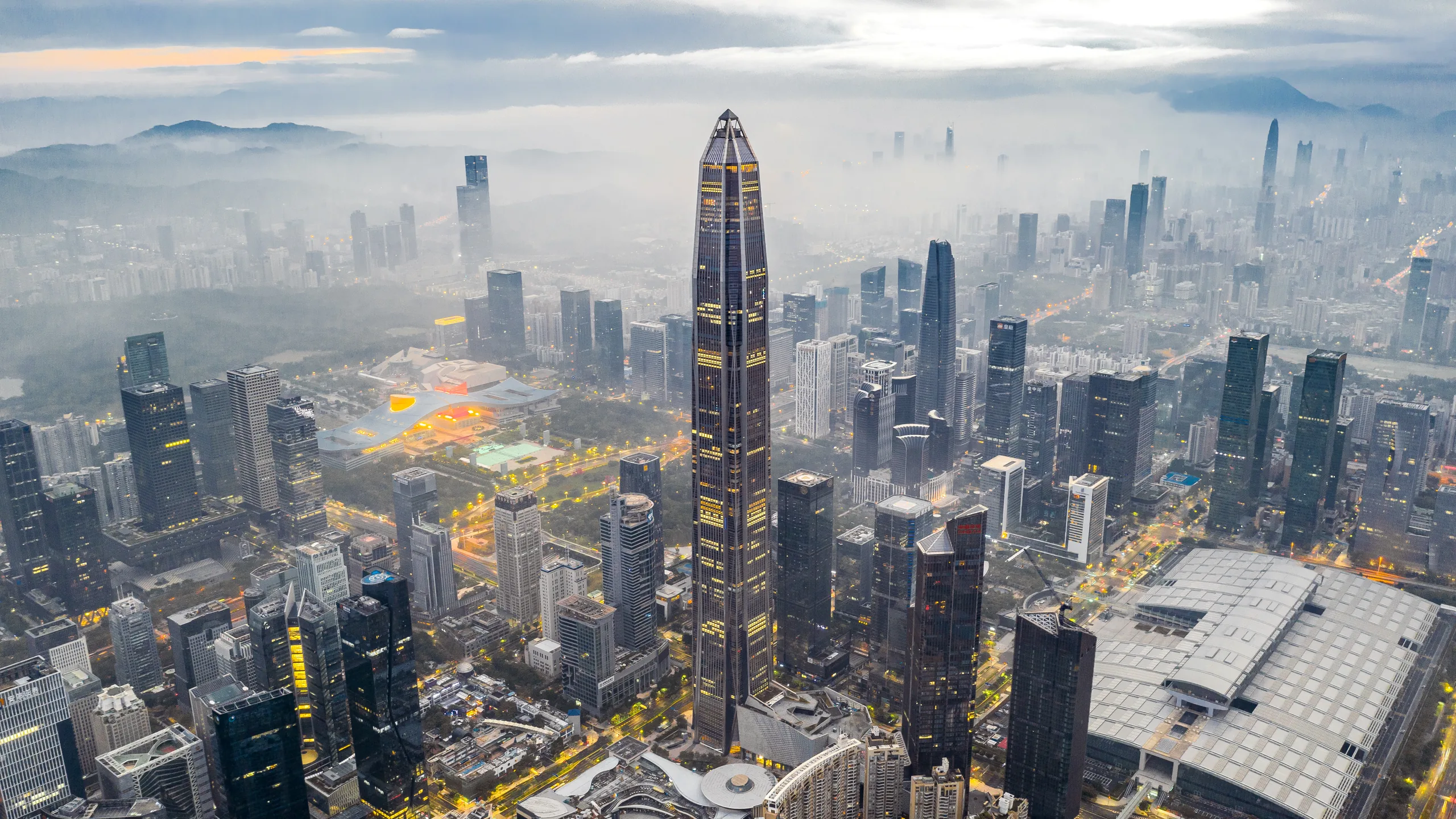
Free Sky Observation Deck: Shenzhen's Window to the Clouds at 547.6 Meters
High above the pulsating heart of Shenzhen, the Free Sky Observation Deck commands the 116th floor of the Ping An Finance Center at a...
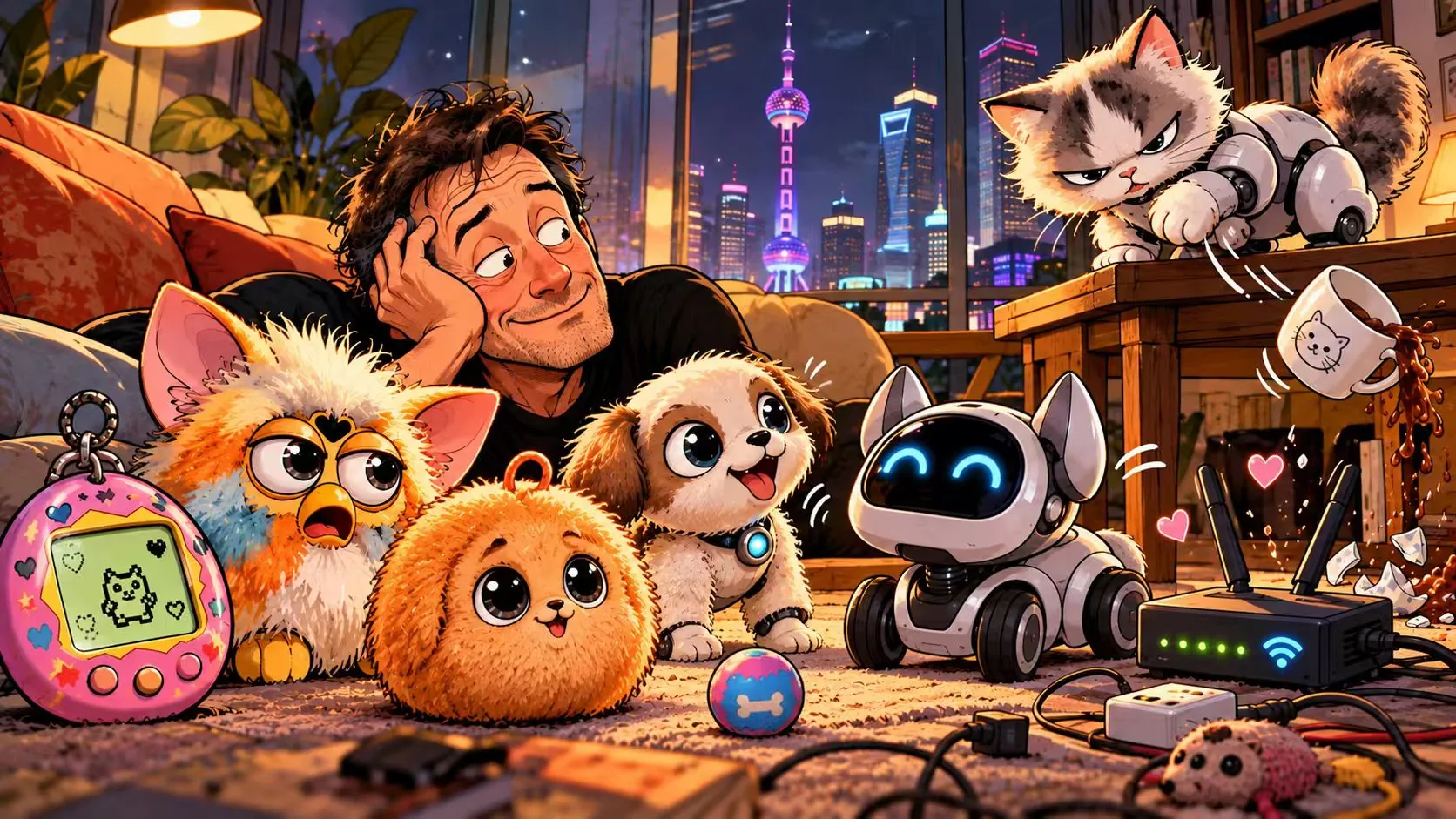
China's New Kind of Pet Remembers Your Conversations, Never Needs a Vet, and Doesn't Pee on the Carpet
I once wrote about dogs in strollers in China, and after that I stopped being surprised by what comes rolling towards me in a shopping mall. Baby,...