
Shenzhen Doesn't Preserve Its Past: It Rewrites it Overnight
By Chris Gassner · June 24, 2026 · 5 min read · 👁 0 views
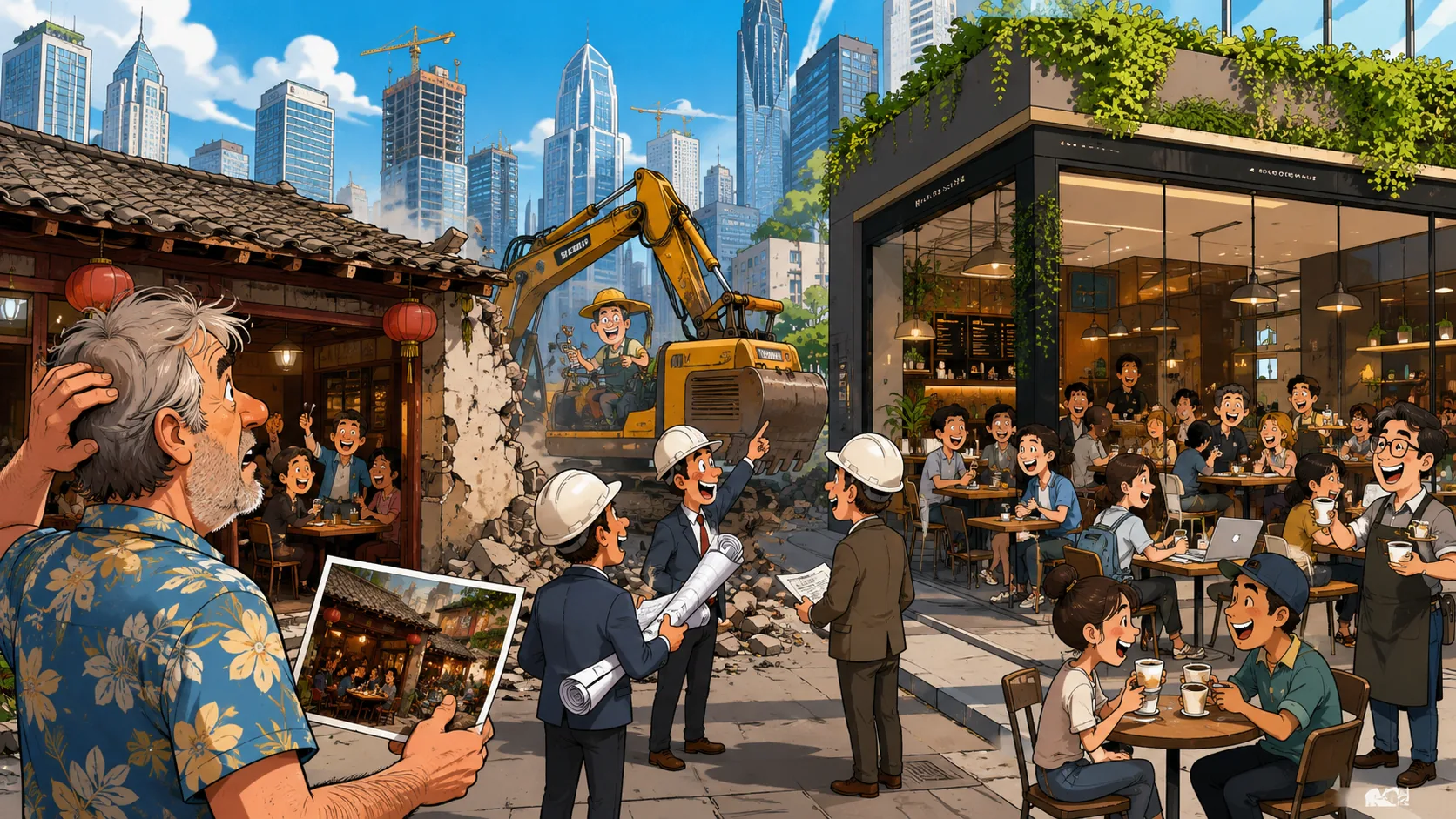
I’ve stopped recommending restaurants in Shenzhen.
Not because they’re bad. Quite the opposite. The problem is that by the time my friends get there, there’s a fair chance the place has already disappeared behind a construction fence.
You develop a very different relationship with your favorite restaurants here. It’s not, “I’ve been coming here for twenty years.” It’s more like, “Let’s hope it’s still here next month.”
Welcome to Shenzhen.
Some cities preserve their history.
Shenzhen prefers to rewrite it.
Constantly.
A few weeks ago, I decided to visit one of my favorite restaurants. I knew the menu by heart, already had my favorite table in mind and could practically taste the dish I always ordered.
When I arrived, the restaurant was gone.
Not closed.
Not being renovated.
Simply… gone.
In its place stood a brand-new sign with a name I’d never heard before. I assume they now serve hand-filtered single-origin coffee from a mountain nobody can pronounce, five shades of matcha latte, and sourdough bread whose backstory is longer than the menu itself.
The strange part?
Nobody seemed surprised.
In Europe, people would be shocked if a restaurant they visited last week had suddenly vanished.
In Shenzhen, we call that Tuesday.
Sometimes I honestly wonder whether the last dinner guests quietly leave at night and are immediately replaced by architects. You finish your meal, go home, get a good night’s sleep, and by breakfast the place has somehow transformed into a minimalist café with polished concrete floors, eight kinds of matcha latte and a name nobody can remember.
Google Maps in Shenzhen isn’t really a navigation app.
It’s more like an archive showing you what the street looked like last week.
People outside China often forget that Shenzhen actually has a history.
Its modern success story began in 1980 when it became China’s first Special Economic Zone. By European standards that’s barely a blink of an eye. In just a few decades, a small border town grew into a metropolis of more than eighteen million people.
But Shenzhen is older than its skyline.
Hidden among the glass towers is Nantou Ancient City, with a history stretching back more than 1,700 years. You can walk through narrow lanes lined with old houses and temples while, just a few kilometers away, someone is already planning the city’s next skyscraper.
It’s almost as if Shenzhen decided:
“We’ll keep the past… but only for a couple of blocks.”
Maybe that’s what makes this city so fascinating.
Shenzhen does have history.
You just don’t notice it immediately because the future keeps trying to overtake it.
In my book I once called Shekou my “Gallic Village.” Of course that’s not an official name. I simply borrowed it because, much like the little village in the Asterix comics, Shekou somehow managed to resist being completely swallowed by the city’s relentless transformation.
More than twenty years ago, Shekou was home to most of Shenzhen’s expatriate community. It had its own atmosphere. Small bars, international restaurants, cafés spilling onto the sidewalks and, above all, familiar faces. Somebody always knew somebody.
Of course, Shekou has changed too.
It’s cleaner, shinier and far more modern than it used to be. Many of the old bars have disappeared, and new cafés seem to appear every other day. I’m fairly convinced that Shekou now has more coffee shops per square kilometer than park benches. Sometimes it feels as if two cafés open every week. One closes, and by the following morning there are already three new ones waiting to take its place. Every second barista proudly explains why these particular beans were grown at exactly 1,850 meters above sea level and therefore possess a deeper understanding of life than the rest of us.
And yet…
Shekou still feels different. Not because the buildings survived. Many didn’t.
Not because the businesses stayed. Most haven’t.
It feels different because of the memories.
The old expats still point at a random building and confidently announce,
“There used to be…”
And they’re usually right.
What none of us can remember anymore is which seventeen restaurants, three bubble tea shops, two gyms and four coffee houses occupied the same address in between.
That’s Shenzhen.
Even paying for something tells its own story.
Not long ago I tried paying with a 100 RMB banknote.
The young cashier looked at it as if I’d just placed the thigh bone of a Velociraptor on the counter.
She turned it over.
Held it up.
Examined both sides.
For a brief moment I genuinely expected her to call someone from a museum.
A QR code, on the other hand, she probably could have scanned in her sleep.
That’s not criticism.
It’s simply another reminder of how quickly this city moves. Things that feel perfectly ordinary elsewhere suddenly look like archaeological artefacts here.
And that’s Shenzhen.
The city doesn’t wait for you to get used to it.
It’s already moved on.
While other cities proudly advertise restaurants that have been run by the same family since 1864, people in Shenzhen celebrate if their favorite place survives another lease renewal.
While Europe restores historic façades, Shenzhen mostly updates shopping mall directories.
While other cities collect monuments, Shenzhen collects grand openings.
That may sound unfair to the past. It isn’t.
Because the city’s history doesn’t only live inside old buildings.
It lives inside the people who built it.
Inside the memories of those who’ve watched it grow.
Inside conversations that begin with someone pointing at a street corner and saying,
“Wasn’t there something else here once?”
Maybe that’s the real character of Shenzhen. Not that it has no history.
Quite the opposite.You just have to find someone who’s been around long enough to remember it.
The veterans will still point at a street corner and casually say,
“There used to be…”
And they’re probably right.
They just can’t remember which seventeen restaurants, three bubble tea shops, two gyms and four coffee shops came and went in between.
Perhaps Shenzhen is the only city where memories last considerably longer than commercial leases.
Shenzhen doesn’t live in the past.
It barely lives in the present.
It’s already living slightly ahead of tomorrow.
And that’s probably why I keep coming back.
Although, just to be safe…
I usually check first whether my favorite restaurant still exists.
If you ever want to meet me in Shenzhen, don’t ask me where. Ask me when.
By tomorrow, the restaurant may have become a coffee shop, the coffee shop a gym, and the gym a bubble tea store.
The only things nobody has managed to redevelop yet… are the memories.
Chris Gassner
Keep reading
All in Articles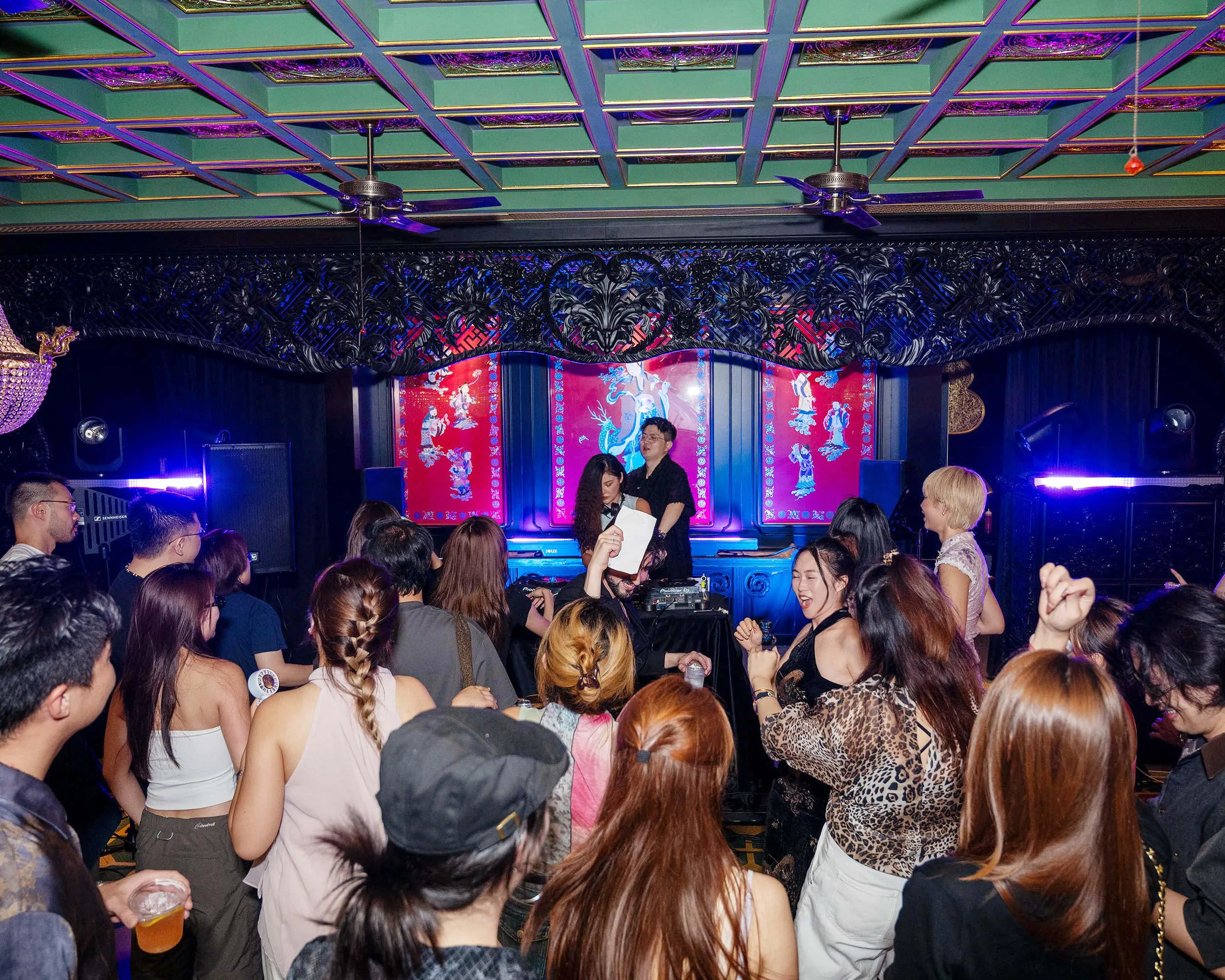
Ours Dim Sum Rave: Where Dim Sum Met the Dance Floor
Ours has done it again, this time, dropping electronic beats right into the heart of a tea house steeped in the nostalgic charm of 20th-century Hong...
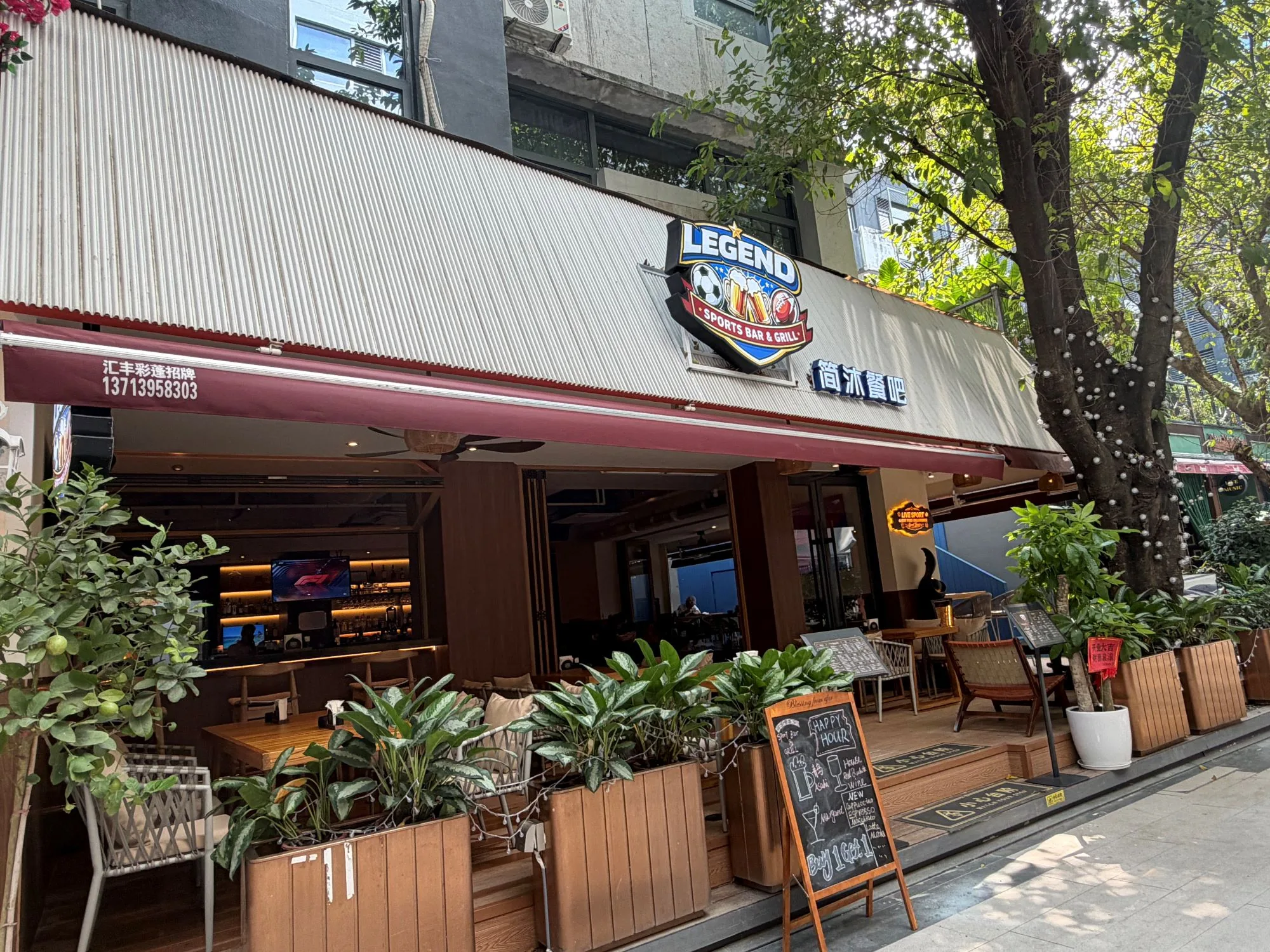
Legend Levels Up: Shekou's Beloved Hangout Reinvents Itself as a Sports Bar & Grill
Some bars are places you go. Legend is a place you return to. For six years, this Shekou staple has anchored the corner of Nanhai Yiku, pouring...
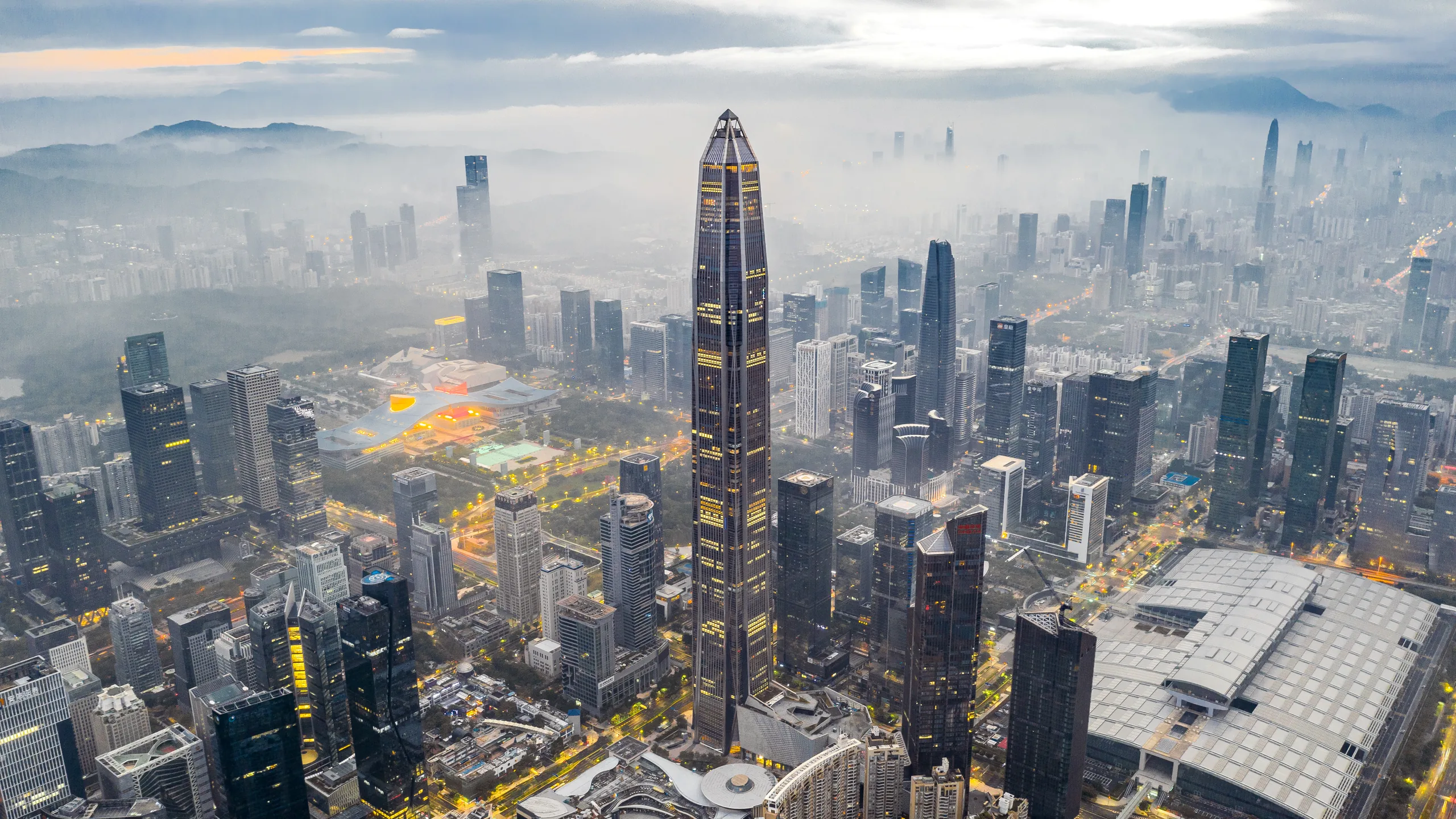
Free Sky Observation Deck: Shenzhen's Window to the Clouds at 547.6 Meters
High above the pulsating heart of Shenzhen, the Free Sky Observation Deck commands the 116th floor of the Ping An Finance Center at a...