
The Golden Week Migration
By Nowshenzhen · October 5, 2025 · 5 min read · 👁 1,088 views

When an entire nation swaps places, hotels turn into canteens, and autumn arrives in flip-flops.
Golden Week is not a holiday, it’s a collective population exchange on a national scale. From the north they rush down south, because sun, beaches and selfies by the sea seem to be holier than any Buddha, while at the same time the south marches north because that’s where you can finally see something like autumn – red leaves, yellow trees, lakes that sell themselves as “romantic” once you filter the smog out of the photo. It’s like a giant mass dance where both sides hear the same music and step on each other’s feet in the middle. Hong Kong? Completely overrun, like the last emergency exit in a burning stadium. Everyone thinks it’s a secret tip, until they realize the entire province of Guangdong had exactly the same idea. Hotels? Booked out months in advance. Whoever comes late sleeps in the lobby or in the car, air conditioning on full blast and a facial expression somewhere between adventure holiday and emergency shelter. And afterwards they all still tell the same story: “Oh, it was wonderful!”
And then comes the real spectacle: the subways, which during these days feel less like transportation and more like a can of tuna, except the filling is not tuna but people forcing themselves between the doors while the loudspeakers keep begging “please do not push,” which has about as much effect as a traffic sign in Naples. The highways freeze into still images, hundreds of thousands of brand-new SUVs and electric cars bumper to bumper, and it’s not about reaching a destination, it’s about finally showing the family the new car – twenty-four hours of driving for a three-minute “oh, nice model” in the in-laws’ driveway. Others just sit there because they see it as part of the experience: “Golden Week is like an amusement park, only with traffic jams.” And here, a traffic jam doesn’t mean “half an hour longer,” it means “we got engaged to the neighbors in the car next to us, and the kids are already enrolled in the same high school.”
Airports? Nothing but anthills covered in concrete. Check-in counters turn into obstacle courses, lines snake like pythons through the halls, and security checks take so long you start thinking about renting an apartment at the airport, because you’re already spending the whole vacation there anyway. Suitcases everywhere – stacked on trolleys, stacked on each other, people sleeping on them – and duty-free shops no longer sell perfume but water bottles and neck pillows to exhausted crowds. Some flights are so full you half-expect them to seat people on the wings.
And train stations? In this week they stop being buildings and become living organisms, fed by millions of legs stomping, stumbling, running at the same time. On the platforms the atmosphere swings between panic and picnic, families spreading blankets, children playing tag among suitcases, and above everything hangs the collective scream: “When is my train leaving?” Seats? Forget it. People buy standing tickets, and “standing” doesn’t mean you find a cozy corner in the train, it means you squeeze yourself in like pressed ham and spend the next twelve hours with your shoulder buried in a stranger’s face. Toilets? Best not mentioned. Some stations should really be demolished and rebuilt after Golden Week, because what passes through them in those days pushes every building material to its moral limits.
And the hotels, those shining promises of relaxation, are nothing more than holding pens for masses. Five stars or not, it makes no difference – in these days dining feels more like a feeding operation at the zoo. Buffets that look like a university canteen, endless rows of steaming pots, people piling plates so high you could replace the waiters with forklifts. Elegance? Forget it. Here it’s not eating, it’s distribution. And the beaches in front? Packed so tightly you can’t even see the sand anymore. It’s just humans lined up like Tetris blocks, so close together they can neither fall nor rise. Whoever stands, stands. Whoever lies down, lies down. Movement would collapse the whole construction. In the end it looks more like a modern art installation titled “How many bodies can you fit on one square meter of coastline?” than a beach holiday.
And then, when the great migration is finally over, the country looks like after a natural disaster: some parts completely deserted, as if Thanos had snapped his fingers, and others still overcrowded because not everyone realized the vacation is already over. Take Shenzhen: office towers look like ghost houses because half the workforce is still stuck in traffic somewhere up north or slumped asleep on a train, while the malls burst at the seams because the other half decided to spend their remaining vacation in air-conditioned safety. Whole neighborhoods stand silent, no dog barking, no neighbor drilling, and two streets away life rages on as if nothing happened. Walking through the city feels like switching between two parallel realities: here gaping emptiness, there crushing crowds, here an abandoned park, there a food court where your elbow is your only valid entrance ticket. People look burned out, eye bags the standard accessory, wallets shriveled like raisins – but everyone still says: “It was wonderful.” As if the last days had not been sweat, traffic jams and sleep deprivation, but wellness, yoga and bliss. That is the magic of Golden Week: while it happens you think you won’t survive, afterwards you glorify it as the great love story that, when retold, shines twice as bright.
And while the country is still stumbling out of its Golden Week coma, the south is already preparing for the winter that never comes. Shop windows overflow with down jackets, fur boots and scarves, outside the sun burns at thirty-two degrees, and inside people strut around like polar bears on a shopping trip. It’s the fine art of self-deception: you sweat, but you sweat fashionably.
And yet you have to admire it – only in China can you sell winter coats at thirty degrees, move ten million people at the same time, and still have everyone back at their desks on Monday morning. That’s not just absurd. That’s a world record.
Chris Gassner
Keep reading
All in Articles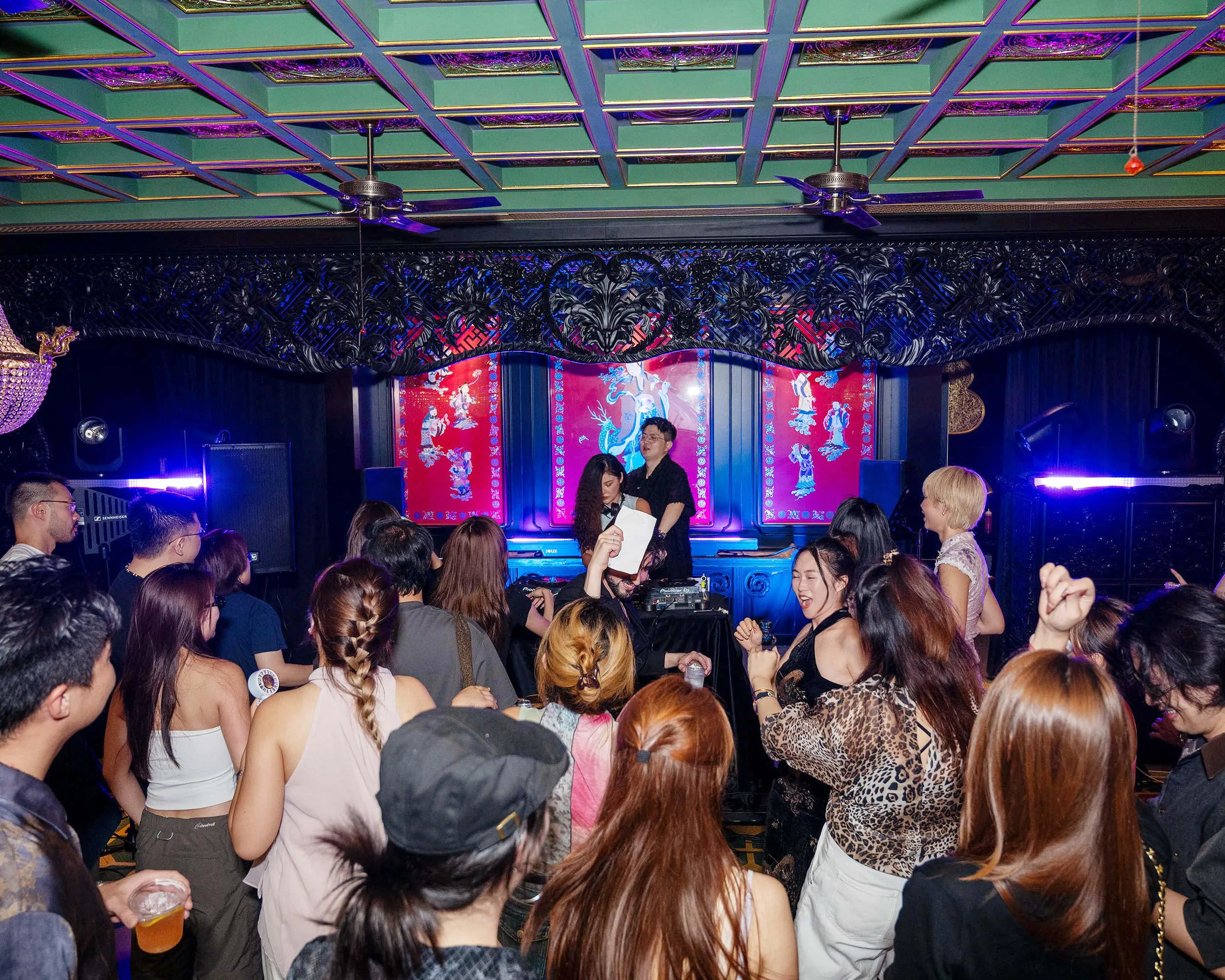
Ours Dim Sum Rave: Where Dim Sum Met the Dance Floor
Ours has done it again, this time, dropping electronic beats right into the heart of a tea house steeped in the nostalgic charm of 20th-century Hong...
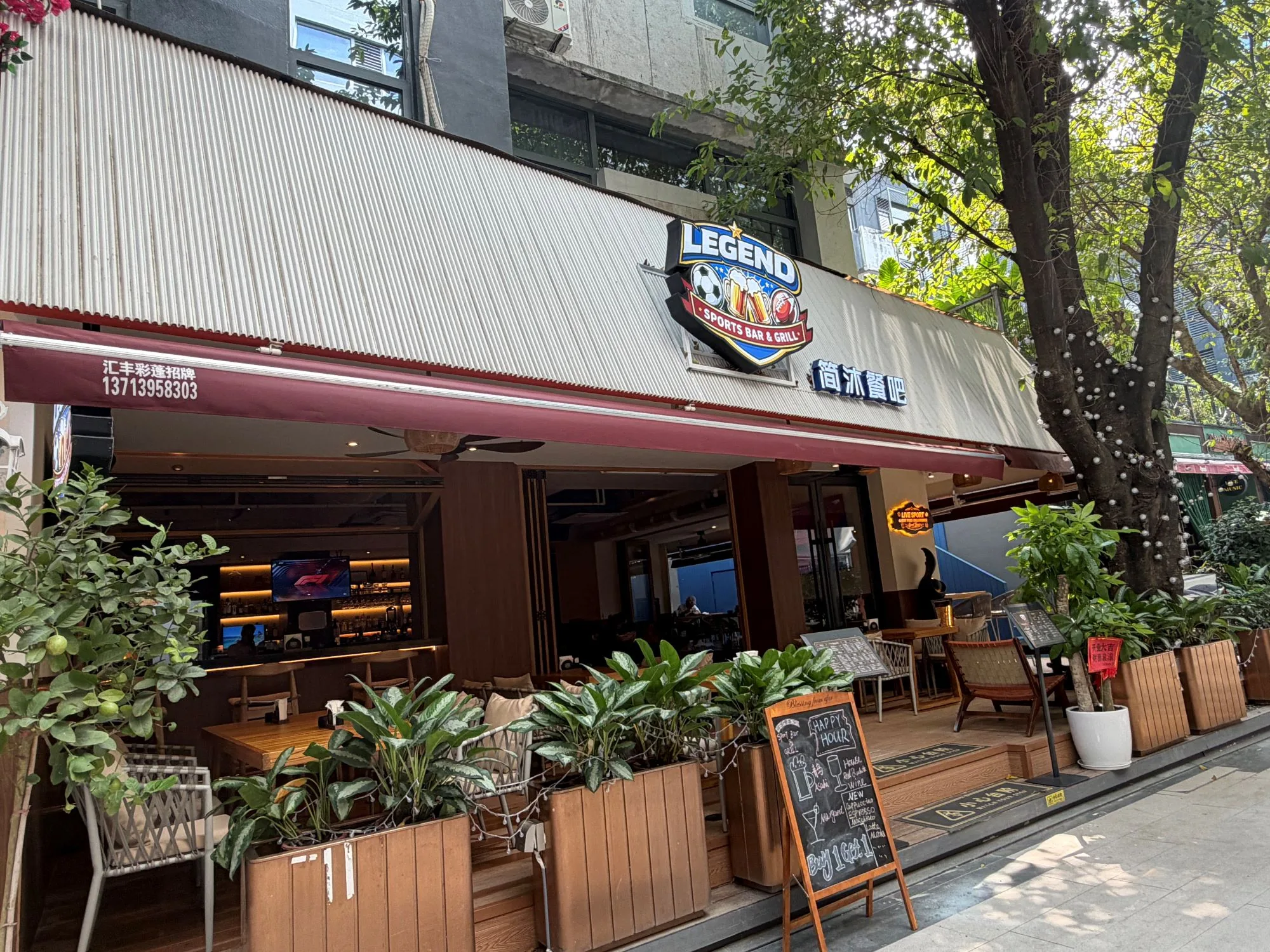
Legend Levels Up: Shekou's Beloved Hangout Reinvents Itself as a Sports Bar & Grill
Some bars are places you go. Legend is a place you return to. For six years, this Shekou staple has anchored the corner of Nanhai Yiku, pouring...
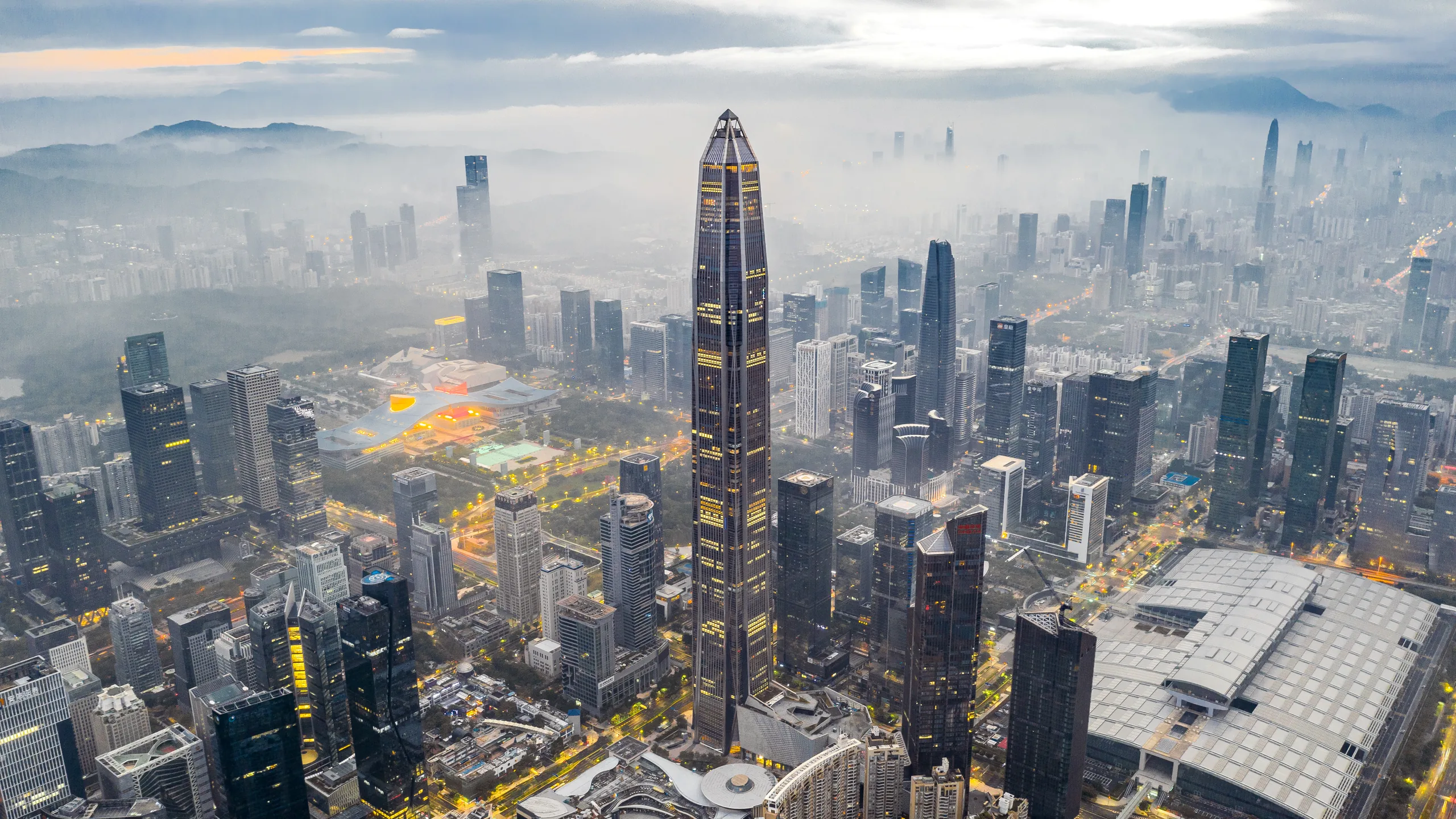
Free Sky Observation Deck: Shenzhen's Window to the Clouds at 547.6 Meters
High above the pulsating heart of Shenzhen, the Free Sky Observation Deck commands the 116th floor of the Ping An Finance Center at a...