
The Overuse of Clinical Terms in Our Daily Conversations
By Nitya Menghani · November 3, 2026 · 3 min read · 👁 0 views
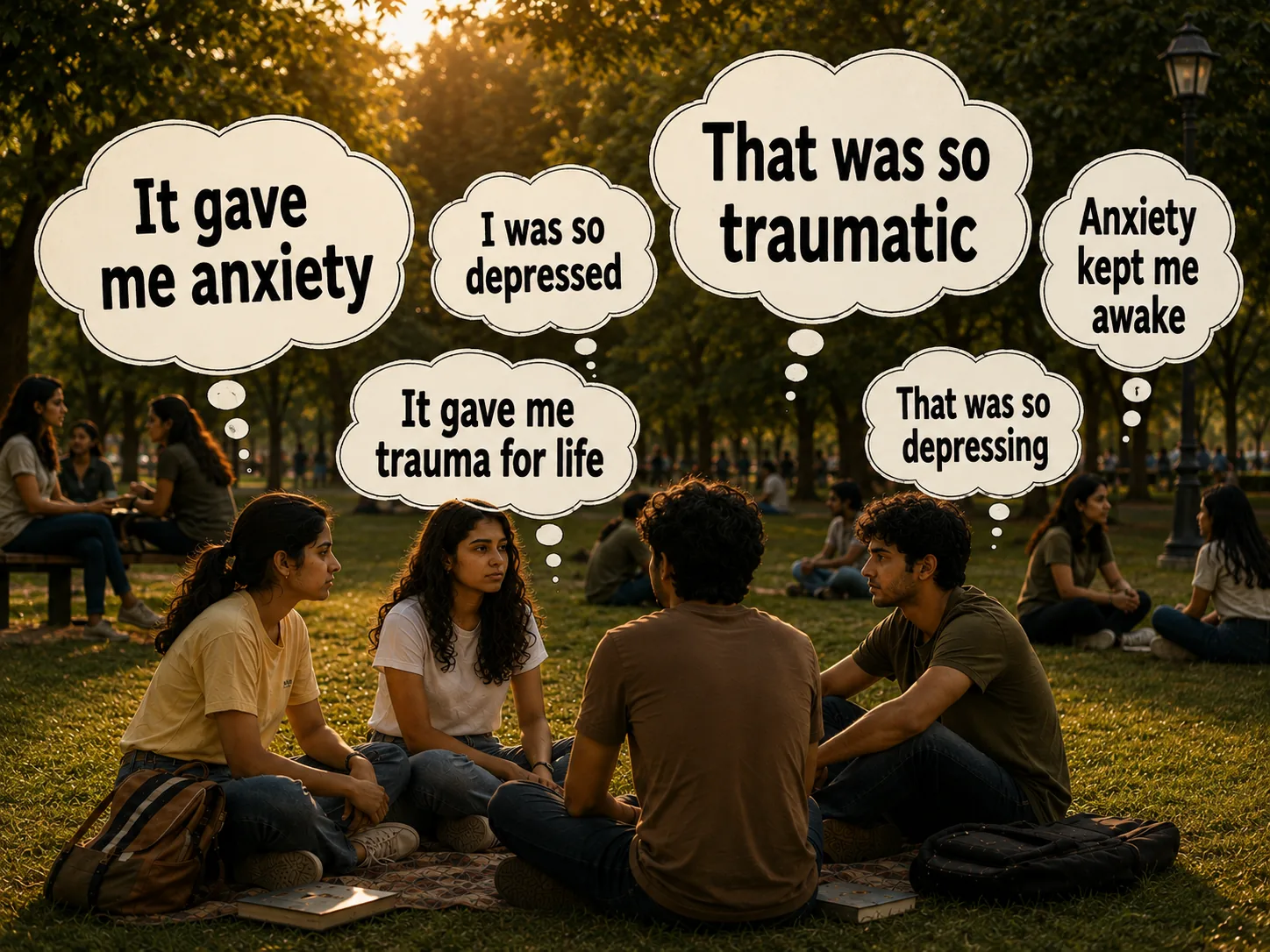
Anxiety and depression: two words we use in our conversations as if they were an essential part of the sentence structure. I get it. In a world of constant comparisons, especially living in a fast-paced city, the stress can get to us. And using such terminology, if anything, is a sign that now more than ever we are aware of mental health. But somewhere along the way I think these words are thrown around too casually.
The main influence on this pattern is “pop psychology”. Social media rewards intensity. A video titled “5 things that might trigger your anxiety” gets more views than “5 things that can cause you to worry”. Algorithms tend to convince us that something is wrong with us by overgeneralizing scenarios to the point that we actually believe it. It turns normal human experiences like nervousness before an interview, or sadness after a failure into serious disorders. Of course, such discussions help raise awareness on these topics, therefore, the issue isn’t usage; its casual overuse.
Since anxiety and depression are two words linked to genuine medical ailments, comparing momentary emotions to medical diagnosis triggers the self-fulfilling prophecy. When we repeatedly say, “I’m so anxious”, our brain reinforces that identity. Over time, we may unconsciously act in ways that confirm the label, creating a cycle that’s hard to break. However, if we swap “anxiety for “worried” and “depressed” for “sad,” there is an immediate shift in tone. For example, instead of saying “I am anxious about meeting my deadline”, saying “I am worried I won’t be able to meet the deadline” feels less intense. Similarly, instead of saying “I’m so depressed,” saying “I feel sad” acknowledges the momentary nature of the emotion.
This shift in vocabulary immediately strips the intensity of the negative connotation of these words, making the situation seem much more manageable. The use of these clinical terms rather than general terms to describe our emotions tends to feel more intimidating and using them in our daily vocabulary makes the situation much worse. Simplifying the language frames the emotion as a temporary state of being rather than a permanent one.
Language is one of the most powerful tools we have. It can heal or harm, clarify or confuse. The problem isn’t the words themselves, but the frequency with which we use them. It is okay to use “anxious” to describe a moment if you acknowledge it is situational. It becomes problematic when we imply a chronic state for a temporary event. I believe we use such words not to describe the feelings themselves, but rather the lenses through which we view them. The goal isn’t to completely stop using these words; rather, it is to use them with intention. When we are intentional with our language, we empower ourselves to feel capable of handling that emotion better.
About the Author
Nitya Menghani is a young Gen Z, who has lived her whole life in Shenzhen, trying to navigate through the twists and turns of a young adult life as an expat in the city. She is an aspiring businesswoman eager to create an impact and is currently pursuing a business management degree. Other than that, she has also freelanced as a social media assistant manager, sales and customer service intern, and AI marketing content creator. Her writing is inspired by the complex thoughts and conversations that stem from the ordinary moments of life. She hopes that by writing them down, she can perhaps help herself and others navigate through them too.
Nitya can be contacted via WeChat on the following QR

Keep reading
All in Articles
Veta Chang: Where Art Meets the Soul
" Ink as altar, needle as pen, lines are prayers that never end. Straight or winding, thin or deep, they carve the promises the soul...
Your Feet Are the Foundation of Your Body: A Guide To Healthy Feet in Shenzhen By Aphrodita
Every step we take, every walk we enjoy, and every morning run we look forward to is made possible by our feet. Yet, we often pay attention to them...
A Meetup the Size of a Conference: Omarchy’s Chinese Community Comes Together in Shenzhen
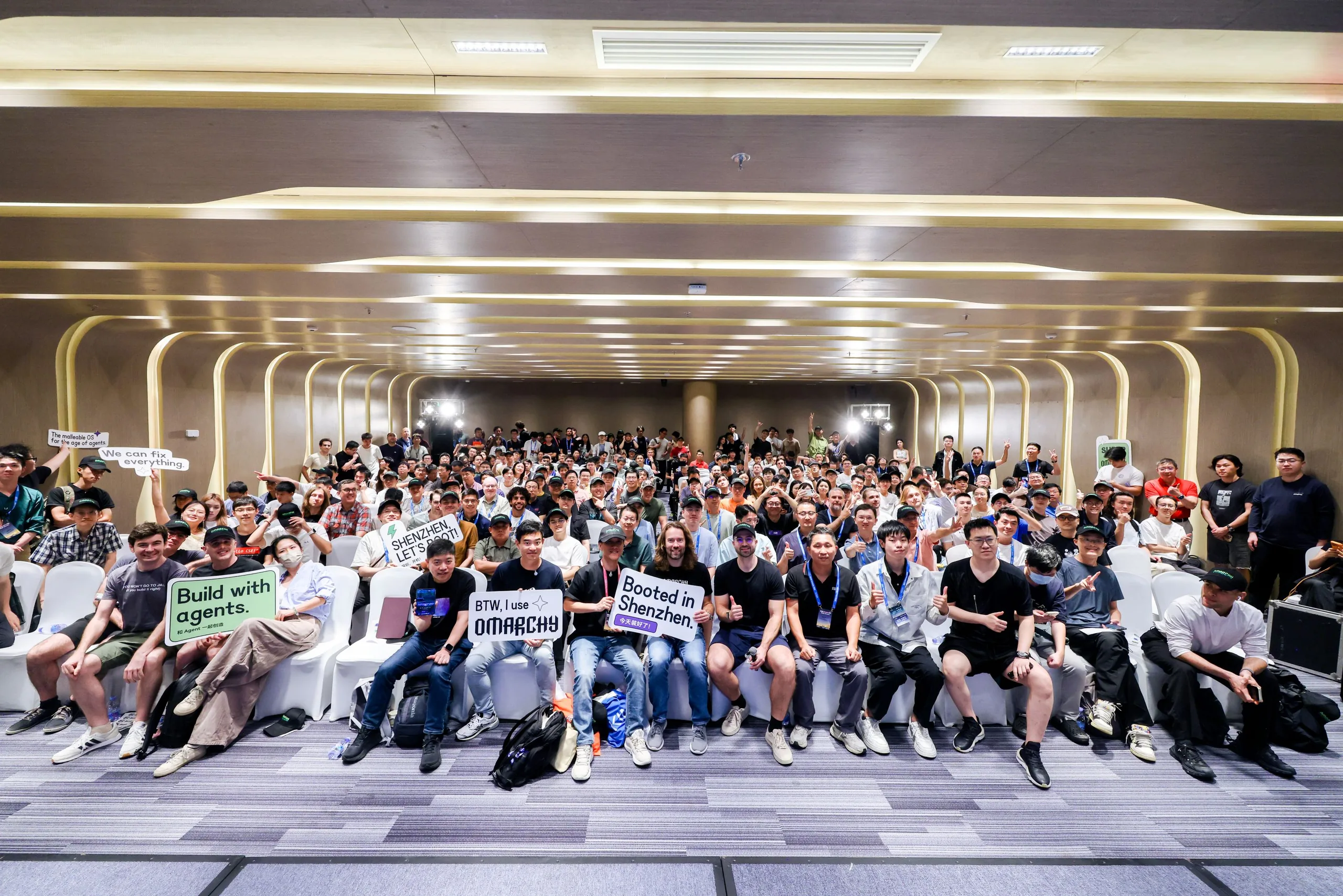
Full-room community group photograph with Omarchy signs Image courtesy of Jooy https://x.com/momentvista “The energy was electric...