
Why Your Goals Don’t Stick: The Psychology of Inner Conflict
By Nowshenzhen · December 6, 2025 · 3 min read · 👁 416 views
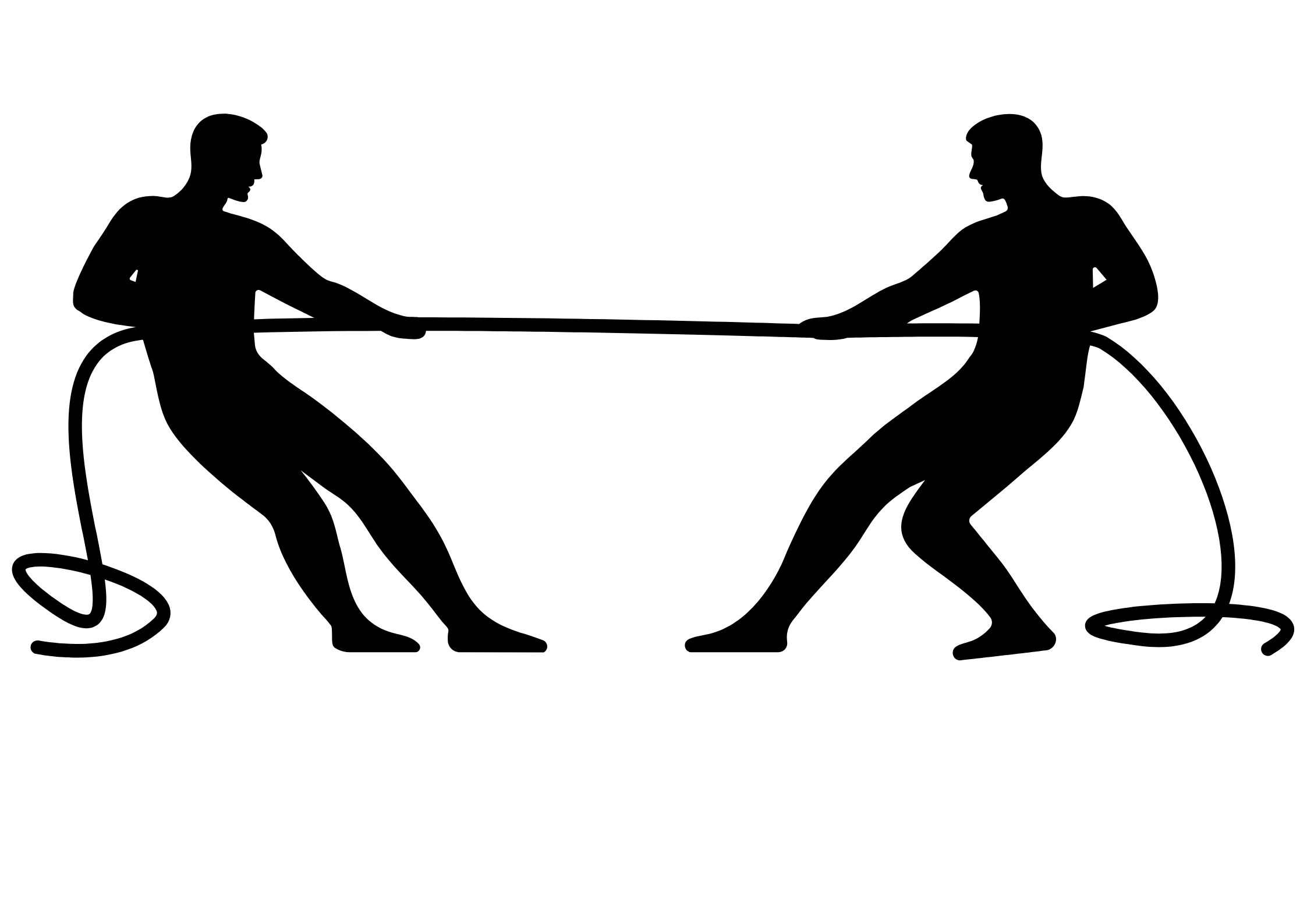
Most people believe their goals fail because they lack discipline, motivation, or willpower. But in reality, most goals collapse for a much simpler reason: the different “parts” inside you want different things.
You may want growth, progress, or change — but another part of you is trying to protect you from discomfort and unpredictability. And because these forces don’t communicate with each other, you end up in an internal tug‑of‑war that feels like procrastination, inconsistency, or losing momentum.
If you’ve ever said:
• “I know what I should do, but I’m not doing it.” • “Why do I keep getting stuck at the same point?” • “I start strong, then lose steam.”
…you are simply experiencing an internal disagreement you haven’t learned to recognize yet.

Your mind isn’t one voice — it’s an inner team. One part pushes for results. One part wants stability. One part needs inspiration and movement. Each part is valuable. Each protects you in its own way.
But when they are not aligned, each one pulls in a different direction. And that tug‑of‑war is the real reason your goals don’t stick.
Pushing harder doesn’t always help. Sometimes it makes things worse.
Recently, I had a clear plan: create video content from 3 pm to 5 pm. One part of me was determined to be a “good Warrior” and stick to the plan. But another part needed rest and movement — I actually wanted to go for a walk.
I ignored the part that needed a break and pushed myself through. Music on, energy up, environment optimized — I recorded for two hours.
When I sat down to edit, I discovered the microphone had been off the entire time.
A perfect example of internal conflict: one part pushed, another resisted. And the result was wasted effort. Not because of laziness — but because of misalignment. If your inner world is in conflict, no amount of discipline or time management can fix the issue. The parts I’m referring to come from the WSN framework — Warriors, Settlers, and Nomads — three inner roles that each serve distinct functions. When they work together, action feels natural. When they fight, progress feels heavy.
The real question isn’t “How do I force myself to achieve this?” It’s “How do I get all parts of myself moving in the same direction?”
If your goals haven’t been working, it’s simply a sign of internal misalignment — a normal, human experience that is easy to overlook. The good news is that once you understand how your inner system works, you gain the ability to:
• improve communication between your inner parts • stay focused and consistent • break procrastination patterns • make clearer decisions • take sustainable action

Through practicing the WSN framework, you strengthen your self‑leadership. You begin approaching yourself as a team instead of a single voice that must “get it together.” This improves your relationship with yourself, your resilience, and your ability to bounce back when you fall off track. You begin to understand why things didn’t work before — and why sometimes they still don’t. And you stop holding those moments against yourself.
You learn to work with yourself, not against yourself. When that happens, goals become less of a battle and more of a natural outcome of inner alignment.
Next Monday: Why Change Feels Hard — The Neuroscience Behind Your Goals Not Sticking

December 6, 2025
Keep reading
All in Articles
Ours Dim Sum Rave: Where Dim Sum Met the Dance Floor
Ours has done it again, this time, dropping electronic beats right into the heart of a tea house steeped in the nostalgic charm of 20th-century Hong...

Legend Levels Up: Shekou's Beloved Hangout Reinvents Itself as a Sports Bar & Grill
Some bars are places you go. Legend is a place you return to. For six years, this Shekou staple has anchored the corner of Nanhai Yiku, pouring...

Free Sky Observation Deck: Shenzhen's Window to the Clouds at 547.6 Meters
High above the pulsating heart of Shenzhen, the Free Sky Observation Deck commands the 116th floor of the Ping An Finance Center at a...