
Workplace Wellness: Why Smart Employers Are Investing in Health (And How to Do It Right)
By Nowshenzhen · July 13, 2026 · 3 min read · 👁 0 views
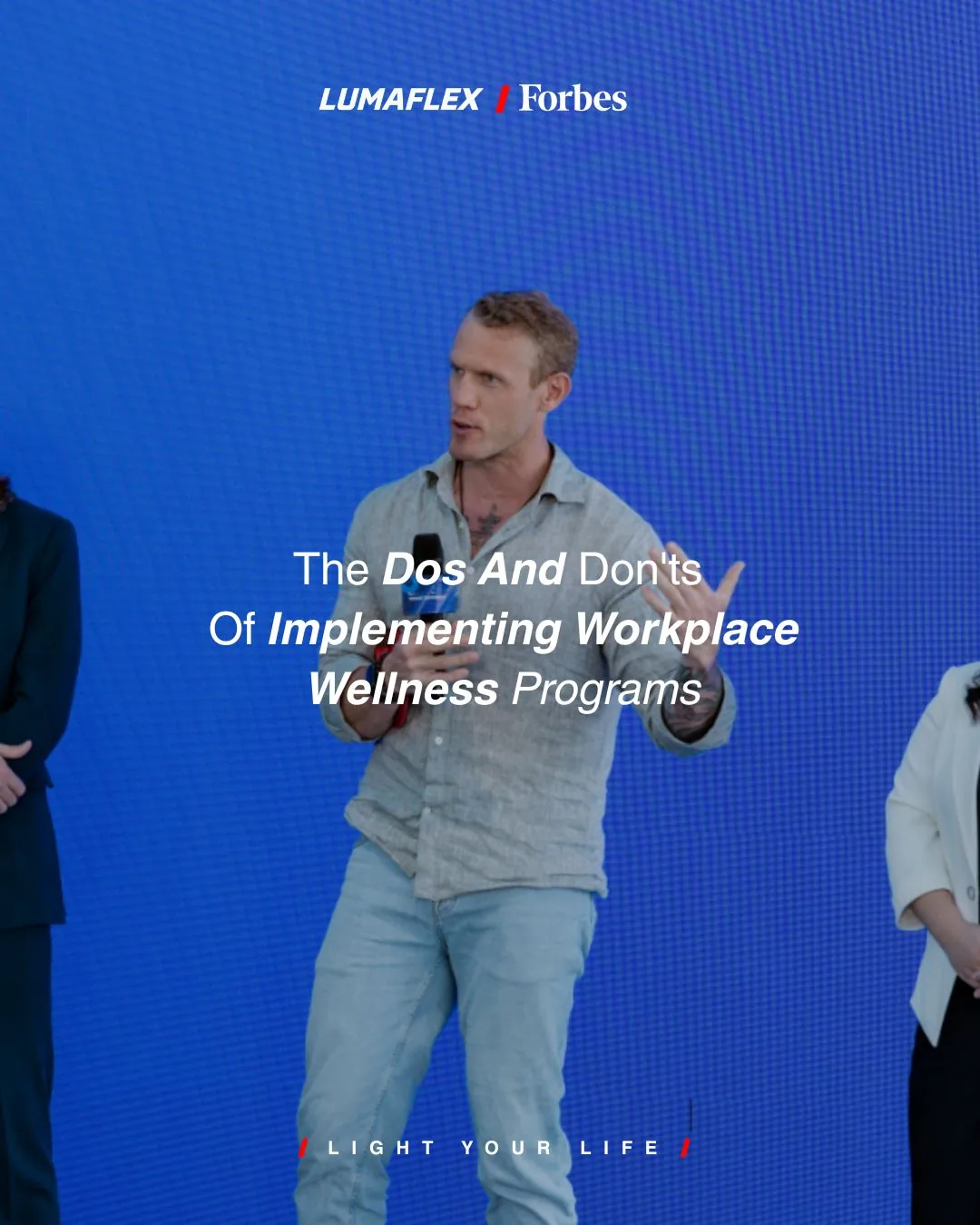
In today's cutthroat job market, talent is king, and keeping that talent happy, healthy, and performing at their best is no longer optional. Employers who get it right know that a fit and energized workforce isn't just a perk; it's a strategic advantage. That's exactly why workplace wellness programs have gone from nice-to-have to must-have.
What Exactly Are Employee Wellness Programs?
At their core, these are business-driven initiatives designed to support the physical, emotional, and professional well-being of workers. But the best ones go far beyond a gym membership or a fruit basket. They're holistic, intentional, and built around what employees actually need.
Key Components of a Winning Wellness Program
Ergonomic Support
Let's be honest, nobody performs at their peak when they're battling back pain or neck stiffness. That's why more leaders are rethinking the office setup. From standing desks and ergonomic chairs to anti-fatigue mats and specialized equipment, these small investments pay off big in comfort, focus, and productivity. When employees feel physically supported, they show up ready to crush it.
Emotional Support
Mental health has rightfully taken center stage in workplaces worldwide. Stress, anxiety, depression, and even tech-induced burnout (hello, endless screen time) can derail even the most dedicated employees. Forward-thinking companies are stepping up with emotional support workshops, one-on-one counseling, mindfulness sessions, and stress-management classes. Because a healthy mind is just as important as a healthy body, and the two go hand in hand.
Physical Well-Being Support
Of course, we can't forget the physical side of the equation. Fitness classes boost cardiovascular health, improve mobility, and release those feel-good endorphins that keep spirits high. And here's a trend worth watching: as CEO of a red light therapy company Lumaflex , I've seen more businesses incorporating RLT into their wellness offerings. Research suggests it may help with everything from easing desk-induced neck pain to potentially protecting against cognitive decline. It's a small addition that's making a big splash.

The Dos and Don'ts of Implementing Wellness Programs
Rolling out a wellness program isn't as simple as buying some equipment and sending an email. To truly succeed, leaders need a game plan. Here's what I've learned from years of experience.
Dos
Lead by Example
If you want your team to buy in, you've got to buy in first. Participate in the programs yourself, join a fitness class, try the ergonomic desk, or attend a mindfulness session. When employees see their leader getting involved, trust builds. Endorsing from the sidelines while staying hands-off? That's a fast track to skepticism.
Listen to Your People
Your employees know what they need better than anyone. Ask them what they'd like to see in the program, take their suggestions seriously, and, wherever possible, make it happen. Nothing says "I value you" quite like acting on feedback.
Keep it Voluntary
Wellness works best when it's an invitation, not an obligation. Reassure your team that participation is entirely optional. Some people love group fitness; others prefer quiet meditation. Choice breeds enthusiasm; pressure breeds resistance.
Re-evaluate Regularly
A set-it-and-forget-it approach is a recipe for mediocrity. Check in every six to twelve months, gather honest feedback, and tweak accordingly. The best programs evolve alongside the people they serve.
Don'ts
Don't Exclude Anyone
Inclusivity isn't a buzzword, it's a must. Ensure every activity, room, and service is accessible to all employees, regardless of ability or schedule. Avoid fitness programs that intimidate beginners or leave anyone feeling left out. Wellness is for everyone, period.
Don't Forget Training
New equipment, whether it's a red light therapy device or an adjustable desk requires proper instruction. Take the time to show your team how to use everything safely and confidently. A little training goes a long way in preventing misuse and maximizing benefits.
The Bottom Line
When leaders understand what to do, and what to avoid, workplace wellness programs don't just survive; they thrive. The result? A healthier, happier, and more engaged workforce that's ready to take on whatever comes next.
John Harper Graham
Keep reading
All in Articles
What Happens When Beauty Packaging Gets Smarter?
Think about the skincare products on your bathroom shelf.A serum comes in a bottle. A cream comes in a jar. An applicator helps spread the...

The Future Arrived With My Coffee: No Jetpacks, No Teleportation, Just Starbucks on Wheels
Someone sent me an article about food delivery robots at Shenzhen Bao’an International Airport. Normally I open things people send me, skim...

Shine Brighter Than Ever: New Whitening Promotion From ARRAIL Dental
Shine Brighter Than Ever: New Whitening Promotion After the overwhelming response to our last whitening offer, ARRAIL Dental is back with a...