
A Normal Working Day in Shenzhen
By Nowshenzhen · November 26, 2025 · 3 min read · 👁 881 views

Every morning, the circus begins again. The factory gate opens, people drift in with sleepy faces, half coffee, half confusion. The air already smells like machine oil, noodles, and perfume that has lost the will to live. Somewhere, a forklift beeps in the distance, the sound of productivity pretending to happen.
The first stop is the coffee machine. It coughs, it spits, it groans. The liquid that comes out looks suspicious, tastes worse, but everyone drinks it like medicine. Around the machine, small talk begins: someone complains about the internet, someone swears at the air conditioner, someone whispers about the new intern who already looks more motivated than the boss.
At eight-thirty, computers wake up too. Screens flicker, keyboards start their daily concert of fake efficiency. Everyone sits straight, eyes glued to the monitor, hands moving fast mostly between Excel, WeChat, and yesterday’s TV drama still running in their head. Some smile at their screens as if the numbers were funny. Nobody is fooled.
Then comes the boss. Always freshly shaved, full of “vision.” He talks about targets, teamwork, and the big picture, but nobody knows what that picture actually is, but we all nod anyway. Someone writes something down just to look serious. Someone else quietly counts how many times he says “strategy.” The record so far: eight.
Down on the production floor, life is louder but simpler. Machines hum like tired elephants. Someone hits a sensor, someone curses in two languages. The smell is half metal, half lunch in progress. Somewhere a fan moves hot air from one side of the hall to the other. And still, everything somehow works. Not because of planning but because people make it work, with tape, luck, and silent prayers.
By eleven-thirty, the word lunch spreads faster than fire. Projects freeze, calls drop, emails are “postponed.” The canteen becomes a battlefield of survival. The line is long, the food looks mysterious, and everyone pretends not to notice. Some bring their own boxes from home, little plastic miracles that smell so strong they can clear your sinuses from ten meters away. Others bravely face the canteen options, chewing with the expression of people questioning their life choices.
But the real show starts after lunch. That sacred half-hour when the factory falls silent. One by one, people disappear under tables, behind curtains, into corners. Suddenly the office looks like a field hospital. Everywhere bodies on folding beds, on chairs, on cardboard boxes. Some lie perfectly still with arms crossed, others with open mouths in deep sleep. You walk carefully, afraid to step on someone’s foot or trip over a dream.
There’s always one guy who brings a full military-style folding bed, complete with blanket and pillow. He sets it up like he’s camping in the desert. Another one uses his jacket as a pillow and his laptop bag as a blanket. A few heroes lie down in empty cartons in the warehouse, perfectly packed for global export. You just hope no one ships them off accidentally with the next container to Rotterdam.
At two p.m., the resurrection begins. The sleepers rise, stretch, and look reborn. Coffee round two. The printer wakes up too and immediately jams again. Meetings start. Everyone talks, nobody listens. The phrase “let’s align on this” is repeated until even the walls sigh. Someone shares a slide that says absolutely nothing, and everyone agrees it’s “very clear.”
By five, the day starts collapsing in slow motion. People clean their desks, close windows, and pretend to finish something important. The boss walks by and says, “Good job, team,” as if he survived a war. Computers shut down with a long, tired sigh. One by one, the lights go out.
Outside, the air smells like fried food and freedom. Someone laughs, someone checks messages, someone runs for the last bus. Inside, the building takes a deep breath, waiting for tomorrow’s circus.
And tomorrow, it all starts again: same gate, same coffee, same people pretending not to fall asleep in the middle of the show. But honestly without this daily madness, without the noise, the naps, and the near-miss container exports, life would be far too quiet to handle.
Chris Gassner
November 26, 2025
Keep reading
All in Articles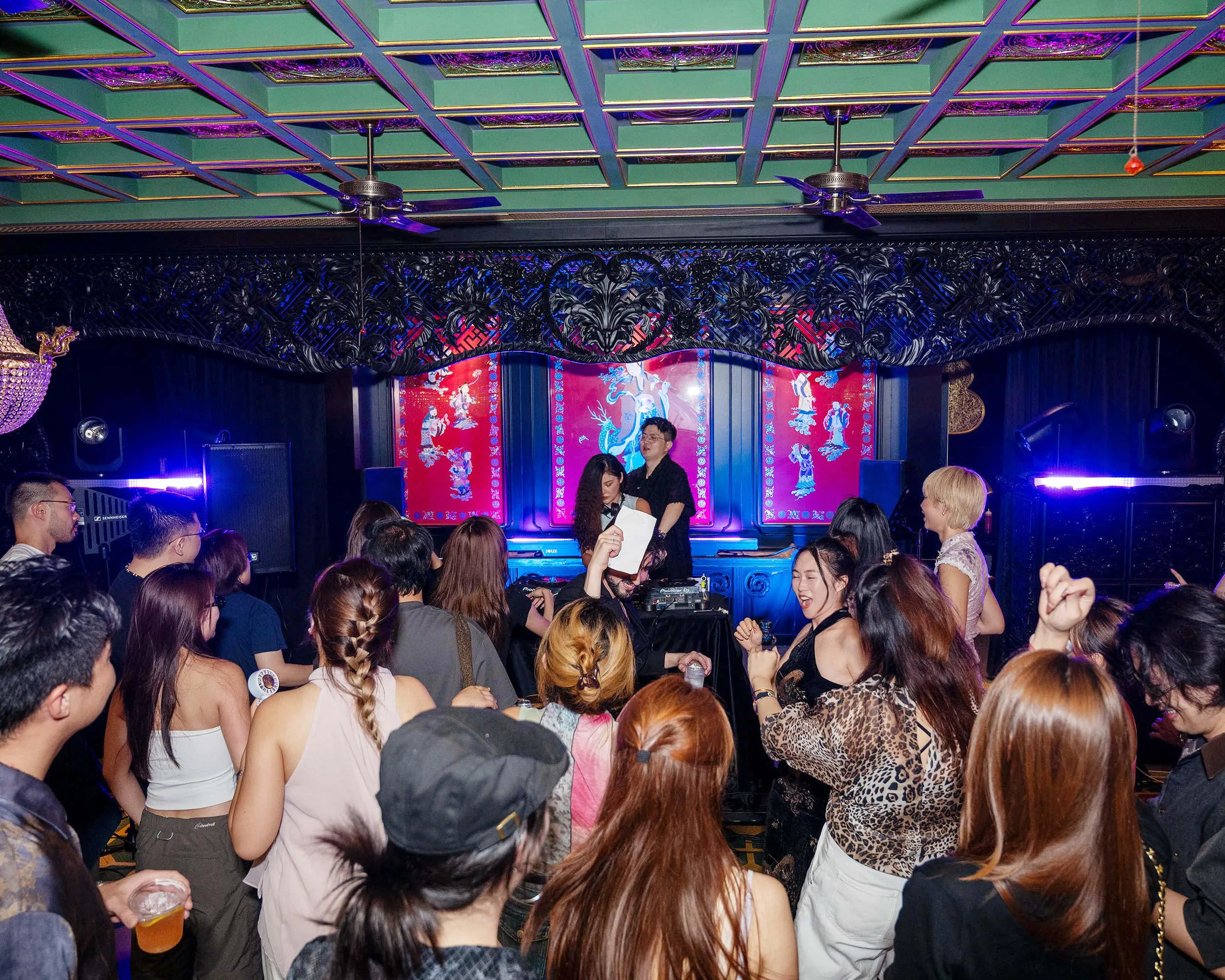
Ours Dim Sum Rave: Where Dim Sum Met the Dance Floor
Ours has done it again, this time, dropping electronic beats right into the heart of a tea house steeped in the nostalgic charm of 20th-century Hong...
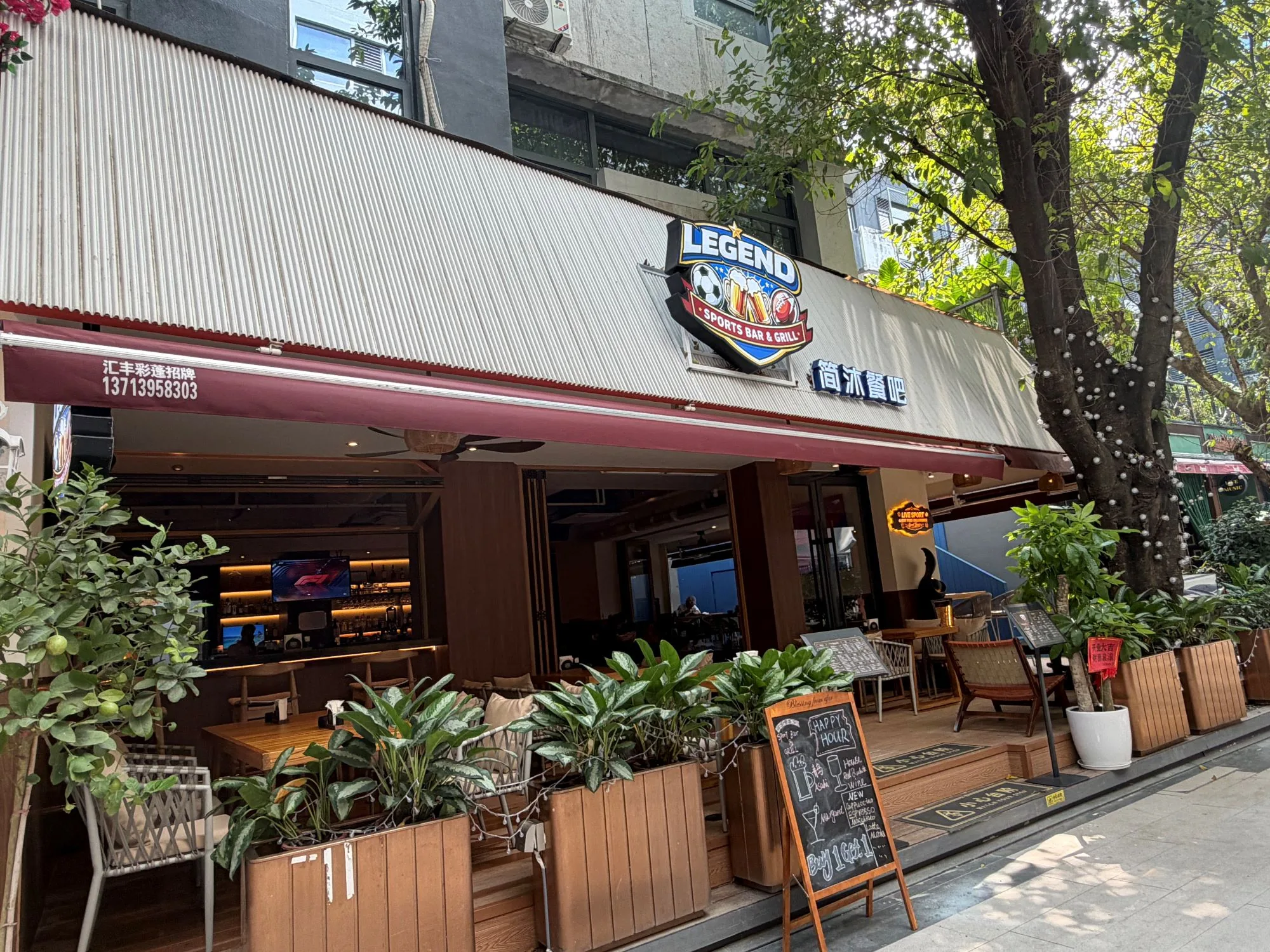
Legend Levels Up: Shekou's Beloved Hangout Reinvents Itself as a Sports Bar & Grill
Some bars are places you go. Legend is a place you return to. For six years, this Shekou staple has anchored the corner of Nanhai Yiku, pouring...
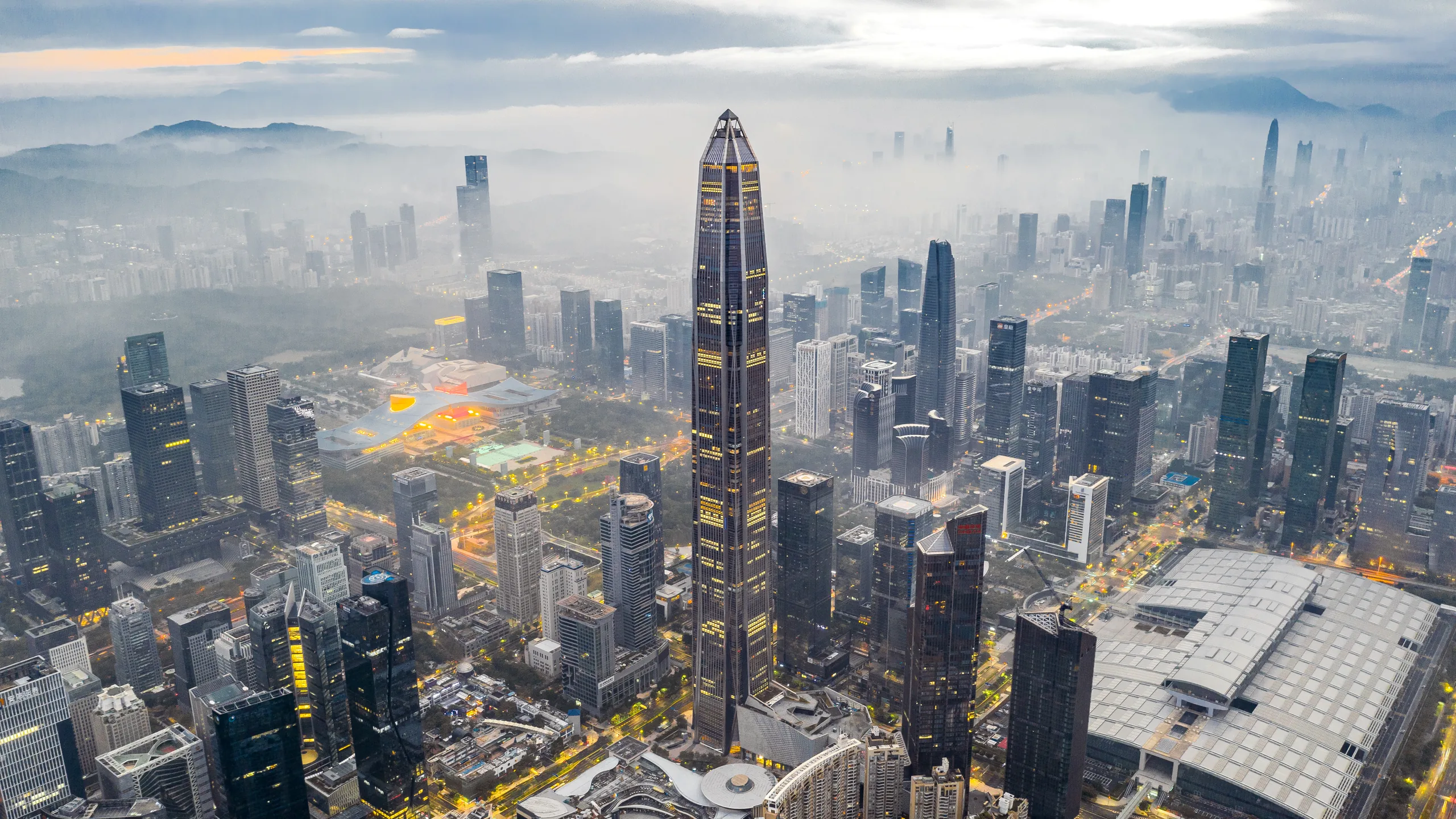
Free Sky Observation Deck: Shenzhen's Window to the Clouds at 547.6 Meters
High above the pulsating heart of Shenzhen, the Free Sky Observation Deck commands the 116th floor of the Ping An Finance Center at a...