
Aphrodita Salon Presents: The Evolution of Women’s Self-Care in Europe
By Nowshenzhen · April 15, 2026 · 2 min read · 👁 132 views

The history of women’s self-care in Europe reflects changing ideas about beauty, health, religion, and technology. Here’s a clear timeline of how beauty practices evolved—from ancient baths to modern laser treatments.
Antiquity (Ancient Greece & Rome)
Self-care culture in Europe began in Antiquity, especially in Ancient Greece and Rome. Public baths, known as thermae, were important spaces for both hygiene and social life.
Common practices included cleansing the skin with oils and strigils, using natural masks made from clay, honey, or milk, removing hair with tweezers or resin, and enjoying massages with scented oils.
Makeup was also used, though often unsafe. People applied white lead-based powders to lighten the skin, red pigments for cheeks and lips, and kohl or soot to define the eyes.
Overall, beauty was closely linked to hygiene and social status, with well-groomed individuals seen as wealthy and refined.

Image courtesy of https://en.wikipedia.org/wiki/Roman_Baths_(Bath)

Image courtesy of https://en.wikipedia.org/wiki/History_of_perfume#/media/File:METGreekAlabastron.jpg
Middle Ages (5th–15th centuries)
During the Middle Ages, self-care practices declined due to strong religious influence and fears of disease. Public baths became less common, and hygiene shifted to simpler routines done at home.
People used herbal infusions and vinegar to cleanse the skin, aimed for a pale complexion, and often removed hair at the hairline to create a high forehead, which was considered attractive.
Makeup was generally discouraged, as it was associated with vanity and sin, though some subtle skin-lightening methods were still used discreetly.
Overall, beauty was defined by modesty, purity, and restraint.
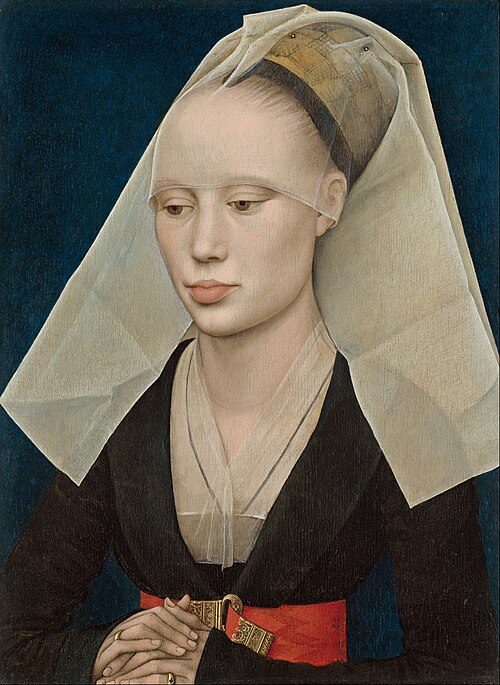
Image courtesy of https://en.wikipedia.org/wiki/Portrait_of_a_Lady_(van_der_Weyden)

Image courtesy of https://commons.wikimedia.org/wiki/Category:15th-century_paintings_of_Bathsheba
18th–19th Centuries (Aristocratic & Early Industrial Era)
During the 18th and 19th centuries, beauty became more of a fashion statement and daily ritual, especially among the upper classes. People began using cosmetics more heavily in the 18th century, and early commercial beauty products started to appear. Basic manicure care, such as filing and polishing nails, also developed during this time.
Makeup trends changed over time. The 18th century favored a theatrical look with white faces and bright rouge, while the 19th century shifted toward a more natural appearance influenced by Victorian modesty.
Perfume was widely used, sometimes to mask poor hygiene, and skincare recipes were often shared among women.
Overall, beauty came to represent elegance, class, and social identity.
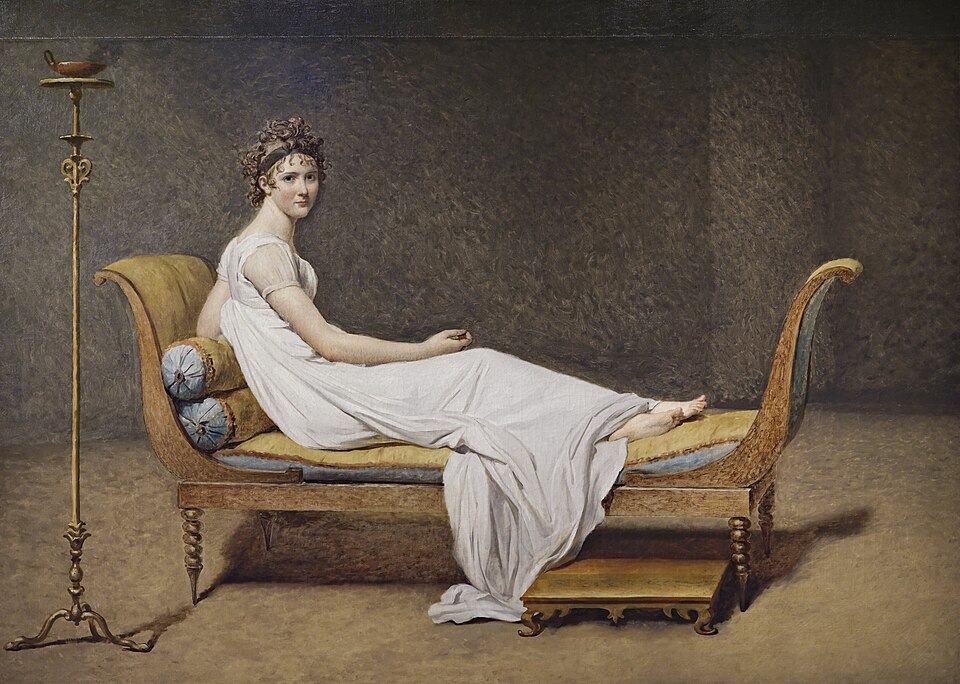
Image courtesy of https://en.wikipedia.org/wiki/Portrait_of_Madame

Image courtesy of https://commons.wikimedia.org/wiki/Category:Manicure_cases#/
20th Century (Scientific Cosmetology Emerges)
The 20th century marked a turning point with the rise of modern cosmetology. Professional beauty salons became common, cosmetology developed into a trained profession, and the first device-based treatments were introduced.
Popular procedures included steam facials, deep cleansing, facial massage, early chemical peels, and electrical treatments like Darsonval therapy.
Makeup trends evolved with each era: bold looks in the 1920s, classic glamour in the 1950s, and bright, expressive styles in the 1980s.
Manicure care also became mainstream, with nail polish widely available.

Image courtesy of wikimedia.org


Images courtesy of https://commons.wikimedia.org/

Address: New Century Business Center, Tower B, Office 4507, Fubao Street, Futian
深圳市福田区福保街道新天世纪商务中心 B 座 4507
Website: https://aphrodita.salon/
Phone: 13026671142
April 16, 2026
Keep reading
All in Articles
Ours Dim Sum Rave: Where Dim Sum Met the Dance Floor
Ours has done it again, this time, dropping electronic beats right into the heart of a tea house steeped in the nostalgic charm of 20th-century Hong...

Legend Levels Up: Shekou's Beloved Hangout Reinvents Itself as a Sports Bar & Grill
Some bars are places you go. Legend is a place you return to. For six years, this Shekou staple has anchored the corner of Nanhai Yiku, pouring...

Free Sky Observation Deck: Shenzhen's Window to the Clouds at 547.6 Meters
High above the pulsating heart of Shenzhen, the Free Sky Observation Deck commands the 116th floor of the Ping An Finance Center at a...