
Golden Week Under The Same Moon
By Nowshenzhen · September 25, 2025 · 4 min read · 👁 1,117 views

A tradition of mooncakes, gifts, and togetherness that connects generations in China.
Golden Week always sneaks up on me the same way the humidity does in Shenzhen: slowly, invisibly, and then suddenly you’re drowning in it. By the end of September, every lobby, every supermarket aisle, every 5-star hotel bar is lined not with guests but with boxes. Mooncake boxes. Red, golden, velvet-lined, lacquered, magnetic clasps, embossed dragons, phoenixes, sometimes even a USB charger thrown in to justify the price tag. You’d think they were selling limited edition Swiss watches, not pastry. Some of these boxes are so heavy you could use them as ballast for a container ship, and they’d survive the voyage better than the actual cargo.
The sales pitch is always the same. The glamorous packaging, the famous hotel logo stamped in gold foil, the “limited seasonal collection” from this or that luxury brand. And the price? Two hundred, four hundred, sometimes close to a thousand for a box of what, at the end of the day, is flour, sugar, and a salty egg yolk masquerading as a luxury item. Inside, no matter how fancy the ribbon, the mooncake remains what it has always been: heavy, dense, and—at least to me—something between a dry biscuit and a brick. You can dress it up, add lotus paste, bean paste, or even modern touches like ice cream fillings, but I still feel like I’m chewing through a compressed survival ration. You could drop one in the desert and it would outlast the pyramids.
But here’s the trick: mooncakes aren’t really about eating. They’re about giving. It’s less dessert, more social currency. You don’t buy them for yourself—you buy them to hand over, with both hands, to your boss, your in-laws, your supplier, your staff. “Happy Mid-Autumn,” you say, and the box says everything else: I respect you, I remember you, I hope you remember me. It’s a bribe, yes, but one that got a respectable rebranding. Tradition, they call it. And tradition, like inflation, you can’t escape.
I’ve been here over twenty years, and I still haven’t learned what to actually do with the things. Every September my HR department reminds me, with polite urgency, that we need to prepare gifts for staff. Mooncakes, of course. Boxes upon boxes. We don’t buy the luxury-resort version; that would bankrupt us. We buy the affordable ones from our trusted supplier. Still not cheap, but at least the cost won’t trigger an audit. The supplier hands them over with a smile, the same smile he probably gives at every factory gate up and down the Pearl River Delta, shifting thousands of units of what might as well be circular bricks in shiny clothes.
The irony is that when we distribute them to staff, about half the people are genuinely delighted. The other half smile politely, take the box, and then probably put it on their kitchen shelf until February, when they finally throw it away untouched. Some bring them to relatives, some regift them, some actually eat them. Me? After two decades I still don’t know. Sometimes I try one, remind myself what it tastes like—dense lotus paste, chewy crust, a salted egg yolk inside staring at me like a warning light—and then I’m done for another year. Other times I use them as makeshift coasters, because their shape and sturdiness really make them perfect for balancing a hot cup of tea. One year I even considered stacking them to build an emergency coffee table. It would have worked. Probably sturdier than anything from a certain Swedish furniture house.
And yet, despite my complaints, the whole ritual has a strange charm. The boxes pile up like a temporary economy. Everyone exchanges, everyone pretends they like them, and for one short week the moon itself feels like it’s not just up in the sky but stamped into every red-gold package you see. Hotels and supermarkets make their annual windfall. Suppliers clear their warehouses. HR ticks off the “employee care” box. And the staff go home carrying something heavy that says: my company thought of me.
Maybe that’s the real point. Mooncakes aren’t food—they’re tradition in edible disguise. They taste of obligation, of ritual, of belonging. Not sweet, not even particularly good. But somehow, without them, the festival would feel incomplete.
So every year I sigh, I pay the invoice, and I watch the boxes roll in. I still don’t know whether to eat them, gift them, or use them as construction material. But I do know one thing: in China, Golden Week without mooncakes would be like Christmas without presents. Unthinkable. And maybe that’s the real beauty—because only a country that blends skyscrapers with dynasties, QR codes with Confucius, and dry pastry with genuine warmth can turn a humble cake into a symbol that unites a billion people under the same moon.
And the moon itself? Still up there, round, bright, timeless. People once told stories about Chang’e, the goddess who fled there. Today we tell stories about mooncakes. Different tales, same moon—just depending on whether you’re looking up or looking down at your plate.
Written by Chris Gassner
September 26, 2025
Keep reading
All in Articles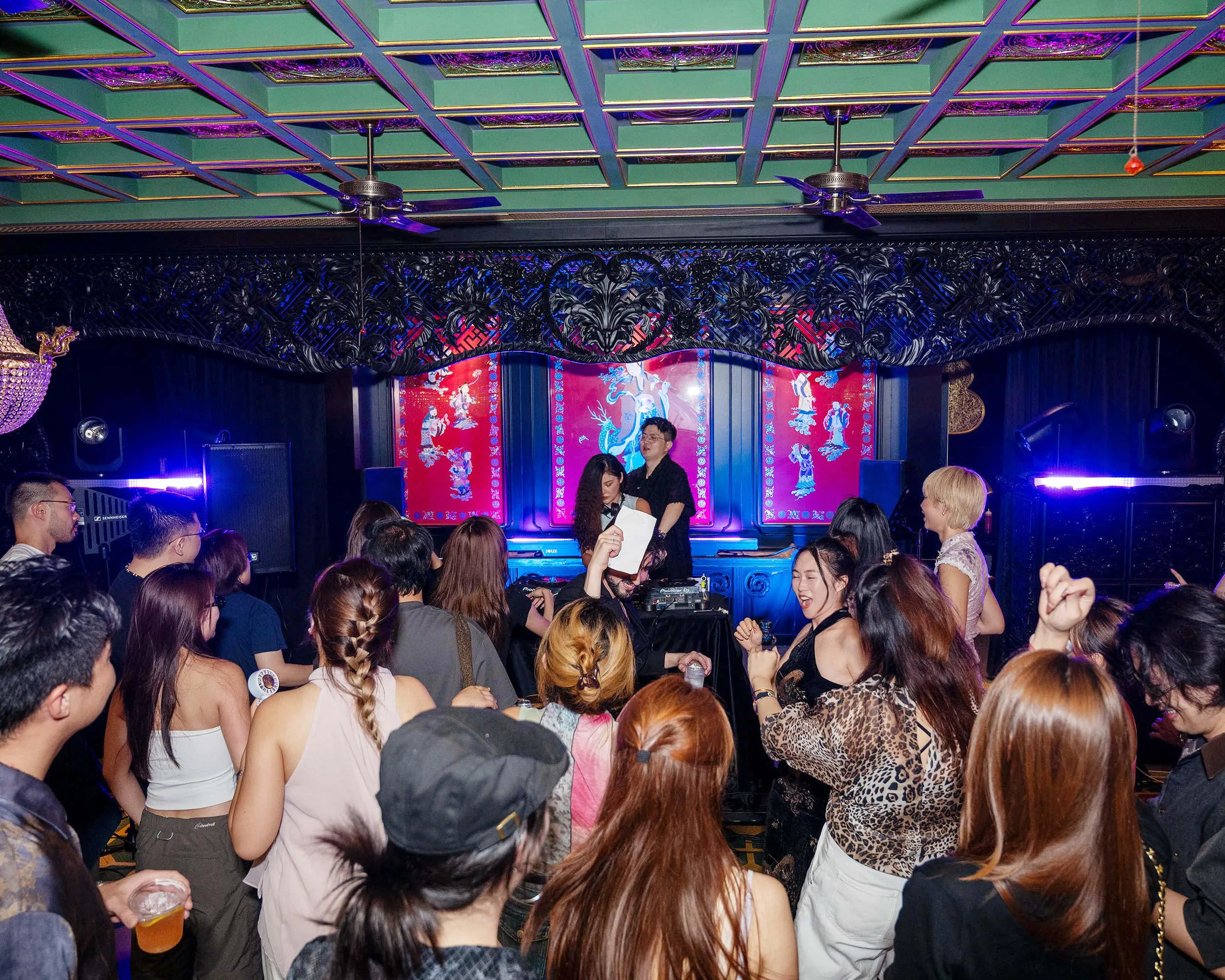
Ours Dim Sum Rave: Where Dim Sum Met the Dance Floor
Ours has done it again, this time, dropping electronic beats right into the heart of a tea house steeped in the nostalgic charm of 20th-century Hong...
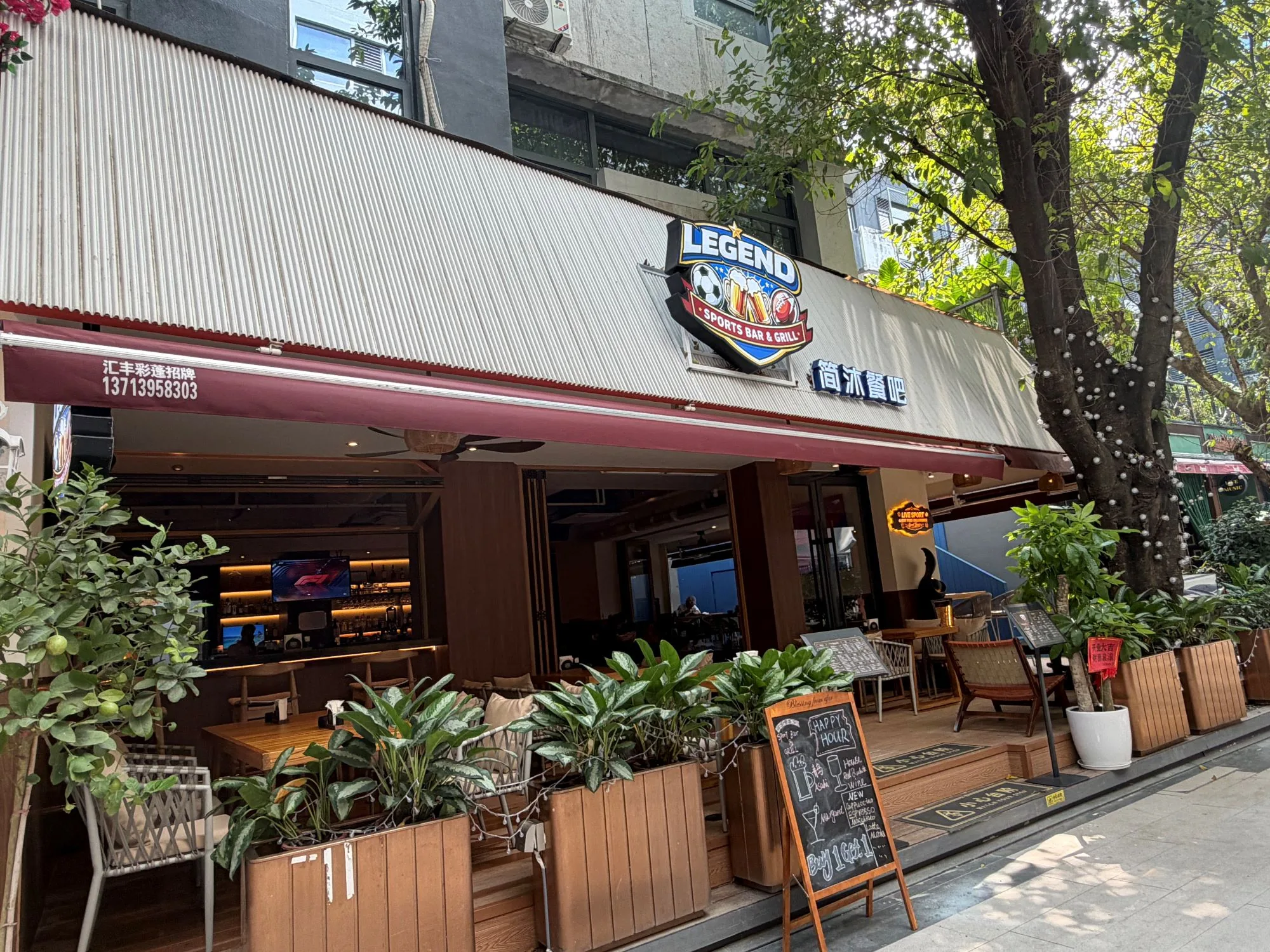
Legend Levels Up: Shekou's Beloved Hangout Reinvents Itself as a Sports Bar & Grill
Some bars are places you go. Legend is a place you return to. For six years, this Shekou staple has anchored the corner of Nanhai Yiku, pouring...

Free Sky Observation Deck: Shenzhen's Window to the Clouds at 547.6 Meters
High above the pulsating heart of Shenzhen, the Free Sky Observation Deck commands the 116th floor of the Ping An Finance Center at a...