
Huaqiangbei & Luohu: The Chaotic Unpolished Years
By Chris Gassner · April 14, 2026 · 5 min read · 👁 272 views

Do you remember Huaqiangbei and Luohu? Not the polished version of today, neatly organized, with clear walkways, official shops, and vendors who only approach you after you’ve made eye contact twice. No, I mean the real past. The raw, slightly shady, “I’ll just pop in for a minute and come out hours later not entirely sure what just happened” version. Back then, Huaqiangbei wasn’t a market. It was an electrical state of emergency.
You walked in and within seconds realized: this isn’t about shopping. This is about survival. Light everywhere, noise everywhere, people everywhere holding things that looked important. Not necessarily useful, but important. And everything was blinking. Not the elegant, minimalist blinking we know today. No, this was the kind of blinking you’d expect from a power plant on the edge of meltdown. If something didn’t light up, it was suspicious. And then there was the setup, something you can’t explain today without people thinking you’re exaggerating. One booth next to the other, no visible boundaries, boxes everywhere, reels of ICs stacked to the ceiling or scattered randomly.
You often didn’t know where one stall ended and the next began, and sometimes you didn’t even know if you were in a shop, a warehouse, or just a corner someone had spontaneously turned into a business. Trash corner or sales area was often just a matter of perspective. And that feeling that everything was happening at once. One guy testing a board, two meters away someone soldering, somewhere something beeping for no apparent reason, and someone trying to sell you a cable that was supposed to perfectly fit your life, even though you had no idea what it was for. You stop for a second, look around, understand nothing… and still walk away with three parts you are absolutely convinced you need.
And Huaqiangbei… you could really buy anything or have anything built. Literally anything. iPhone in parts? No problem. Display here, battery there, camera from another box, housing in your preferred color, and in the end someone would assemble something for you that at least looked convincingly functional. And honestly, with enough time, they probably could have arranged a space station. Maybe not launch-ready, but definitely with enough blinking LEDs to be taken seriously. MP3 players were the hype.
Everything blinked, everything supposedly did everything, and nobody really knew what. But it looked important, and that was enough. And then there were those legendary SD cards. 1 GB. Back then, practically infinite. At home, the card often had a very creative relationship with reality. Sometimes 1 GB, sometimes more like 256 MB. Welcome to the system. And of course, you did it again. Bought another one. Maybe the next one would be real. And sometimes it actually was, which only made things more confusing.
Chips, cables, adapters everywhere. All original. Of course original. And surprisingly often, it actually worked. Huaqiangbei was never a place for targeted shopping. It was a place for discovery. You went in without a plan and came out with things you hadn’t been looking for but suddenly couldn’t live without. Chaos, but functional chaos.
And then Luohu. You come from Hong Kong, cross the border, and before you’ve even properly arrived, it starts. Rolex. Patek. Omega. You think that was just one guy. It wasn’t. You say no, take two steps, next one. But the interesting part is: they don’t all try to sell you everything. Each one has exactly one thing. The first only watches. “Rolex? Very good quality.” You say no, two steps further. Next one: jeans. Then T shirts. Then bags. Then shoes. Then watches again. And none of them are bothered that you just rejected the exact same thing five seconds ago. For them, the world begins the moment you stand in front of them. You say no and nobody cares, because the next one is already there. And another. And another. Like beads on a string. Each one focused, convinced, with his one product. “Watch? Jeans? T shirt? Bag? Shoes?” You walk ten meters and you’ve been offered a complete wardrobe.
You try to stop for a moment, just to look around. Mistake. Instantly you’re in focus. Two, three at the same time. One holds something in front of you, another lightly grabs your sleeve, the third is already quoting a price you never asked for. Moving is the only strategy. Standing still is defeat.
And then sometimes something even better happens. You say: “No, I don’t need anything.” Short pause. A look. “What you need?” And suddenly the game changes. He doesn’t want to sell you his product anymore. He wants to sell you anything. “You tell me. I have everything.” And it’s not just a line. If he doesn’t have it, he knows someone who does. And that one knows someone else. Suddenly you’re not a customer anymore. You’re a project. Phones come out, people wave others over, someone else joins who knows another guy. You have no idea who your original contact was anymore, but it’s happening. Things are being organized. And you’re standing in the middle of it, realizing you’ve completely lost control. Somewhere between Rolex number 37 and “you tell me what you need” you understand: this isn’t a market. It’s a network.
And then the bargaining. If you don’t bargain, you’re stupid. You walk in, see a polo shirt, Boss, of course Boss, price 300 RMB. You stay calm, go down, turn slightly away, classic move, and suddenly you’re at 80 RMB. You walk out feeling like a champion. Two shops later… the exact same shirt for 40 RMB. And that’s where you learn the most important lesson: once you’ve decided, stop comparing. It’s pointless.
And still… you kept going back. Again and again, negotiating, celebrating these small victories. It was never just shopping. It was a game. Huaqiangbei and Luohu were never perfect. Not clean, not transparent, not logical. But alive. Full of energy, full of stories, full of surprises.
They still exist today. You can still shop there, maybe even better. But that’s exactly the difference. Back then it was chaotic, sometimes wild, but that was what made it special. That feeling that anything was possible. Maybe it was exactly that mix of uncertainty and surprise that made everything more intense. You never really knew what you would get, and that was part of the appeal. Today, everything works. And that’s good. But that slightly crazy, uncontrolled feeling from back then has become quieter.
Back then you walked out feeling like you had been part of something.
Today you walk out with a good purchase.
And maybe that’s the point.
It wasn’t all better back then.
But it was definitely… more.
Chris Gassner
Keep reading
All in Articles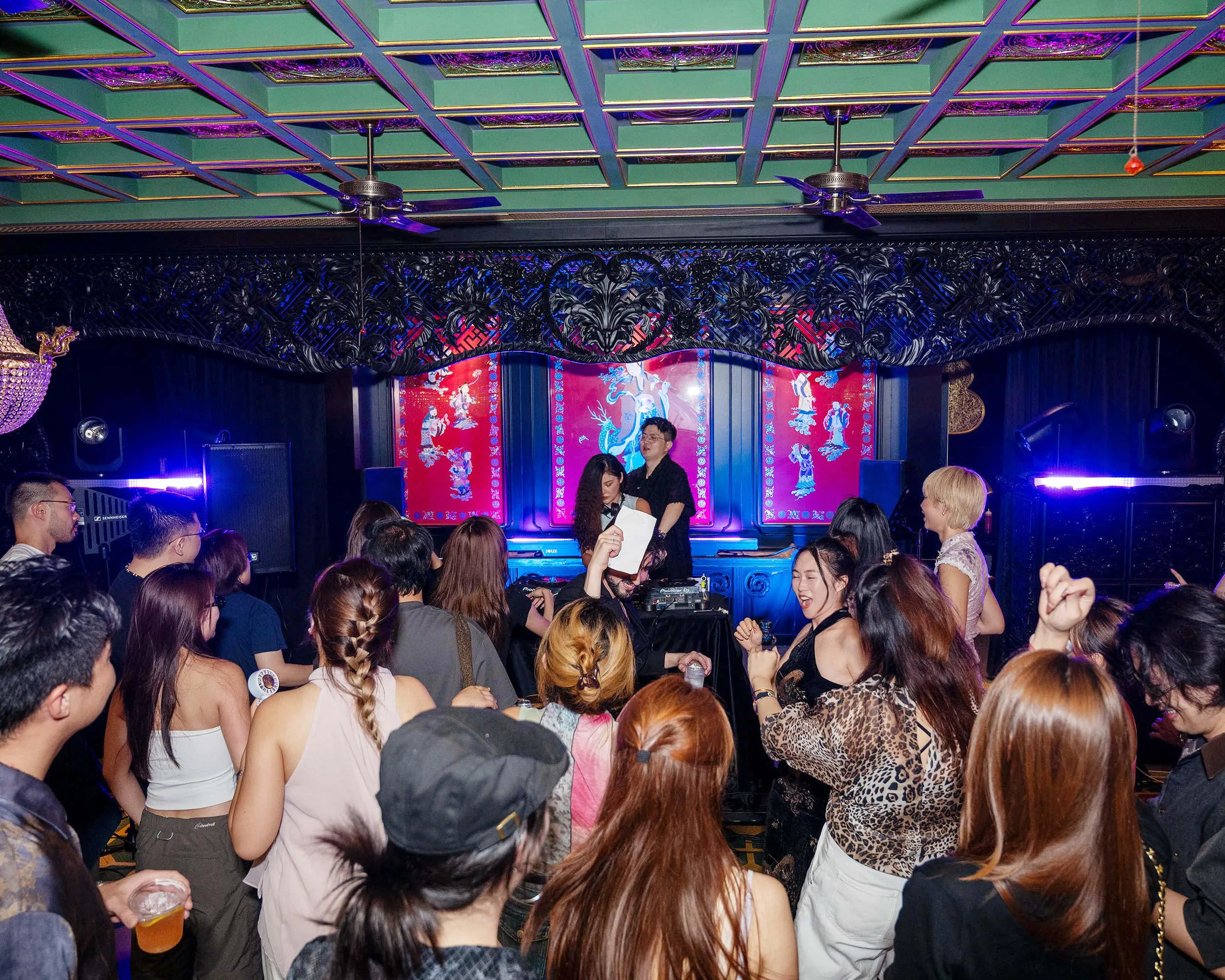
Ours Dim Sum Rave: Where Dim Sum Met the Dance Floor
Ours has done it again, this time, dropping electronic beats right into the heart of a tea house steeped in the nostalgic charm of 20th-century Hong...
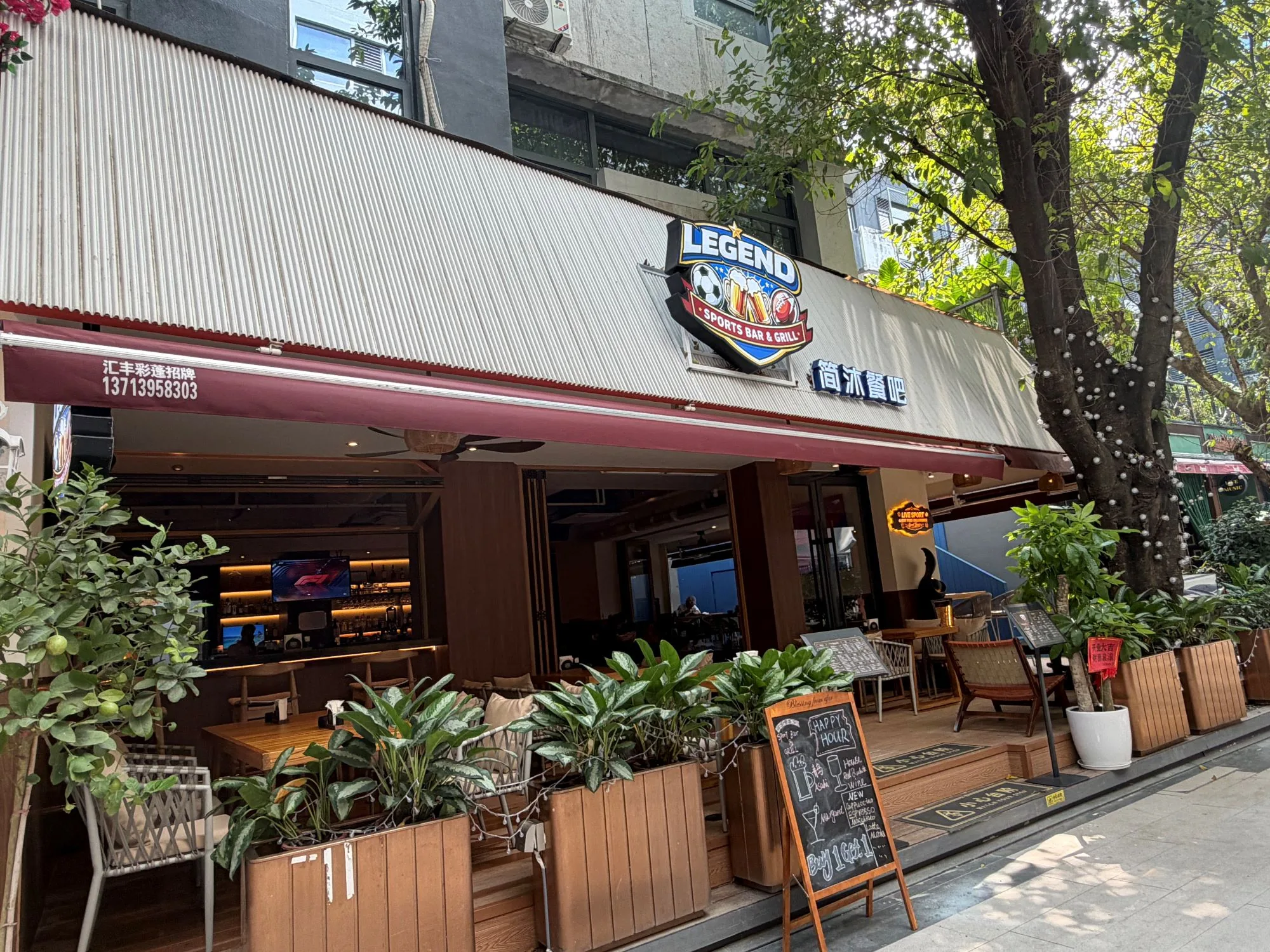
Legend Levels Up: Shekou's Beloved Hangout Reinvents Itself as a Sports Bar & Grill
Some bars are places you go. Legend is a place you return to. For six years, this Shekou staple has anchored the corner of Nanhai Yiku, pouring...
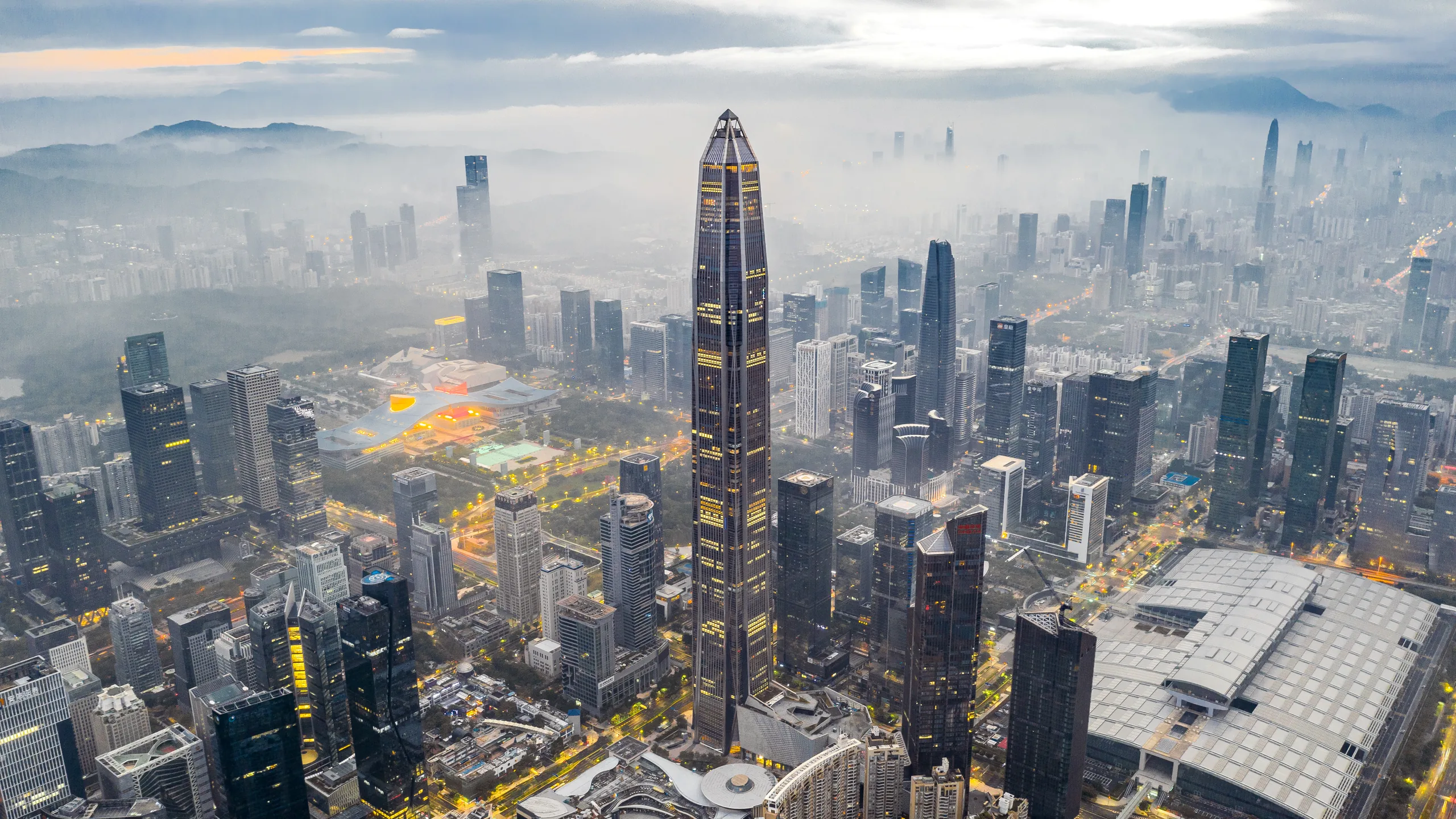
Free Sky Observation Deck: Shenzhen's Window to the Clouds at 547.6 Meters
High above the pulsating heart of Shenzhen, the Free Sky Observation Deck commands the 116th floor of the Ping An Finance Center at a...