
In a City Built for Instant Everything, Patience is the Last Virtue
By Nowshenzhen · November 13, 2025 · 4 min read · 👁 906 views

Life in Shenzhen moves faster than thought, so why does every pause feel like torture?
Somewhere between 5G and bubble tea, Shenzhen lost its patience. Everything moves at lightning speed, yet somehow everyone’s still annoyed. Not because things are slow but because nothing is fast enough anymore.
It starts small. The Didi says “arriving in two minutes.” You check your phone 17 times during those two minutes. You zoom in on the map like a detective following a suspect through traffic. He’s right there, one street away. Then he turns. Wrong direction. The two minutes become three, and suddenly you’re rethinking your entire relationship with humanity.
The problem isn’t that we wait, it’s that we forgot how to.
We live in a city that delivers your dinner faster than your mood can change. Groceries in ten minutes, laundry pickup in fifteen, and yet your girlfriend still needs “just five more” to finish her makeup.
Even romance has delivery tracking now. Couples send location pins like loyalty cards proof of existence.
“Where are you?”
“Check my pin.”
“I did. You haven’t moved in five minutes.”
Love here isn’t patient anymore it’s GPS-enabled. You don’t wait for someone; you monitor them like a suspicious parcel. Every date comes with coordinates, every meet-up with live updates. And when the app finally says “arrived,” that’s when the real waiting begins, she’s still taking pictures of her outfit in the lobby.
And she’s the most impatient one of all. You’re one minute late to reply, and your phone explodes.
You don’t answer? She messages. You don’t message? She voice-calls.
You pick up, out of breath, and she says, “Why you never reply?” as if you’d fallen off the planet even though you were just busy organizing your life for three seconds.
It’s love, yes, but it feels like customer service with emotional KPIs.
I heard wives are different. They’ve moved past the “five minutes” phase entirely. That’s now a built-in assumption, like Wi-Fi or humidity. They don’t announce anything they just appear when it’s time. No warnings, no countdowns, just that mysterious moment when you’ve already taken your shoes off and started scrolling again. That’s when the door opens.
Friends aren’t much better. Everyone is “almost there,” which could mean they’re still at home, still in the shower, or still in denial. “On the way” now means “I’ve emotionally committed to maybe leaving the house.”
And work? Waiting has become corporate theater. Meetings start at ten, which means the PowerPoint opens at 10:07, the presenter appears at 10:12, and someone says, “Let’s wait for a few more people.” There are always a few more people. The same ones who’ll arrive 15 minutes late and say, “Sorry, traffic.”
That’s the classic. The national excuse. Shenzhen may run on electricity, but it’s powered by “Sorry, traffic.”
The boss says, “But everyone else was here on time.” And the late one’s answer, perfectly calm: “Yes, because they were in front of me.” No argument left. Logic has left the building.
Because here, traffic isn’t a lie—it’s a way of life. It’s the invisible fog that justifies everything. You can be late for work, dinner, or your own wedding, and it still works. “Traffic.” The one word that forgives all sins.
The real torture, though, is digital waiting. You send a message. Two blue ticks appear. The other person is typing… then not typing… then typing again… then nothing. You stare at the screen like it owes you closure.
And when the reply finally comes, it’s “ok.” Two letters. No punctuation. A declaration of emotional bankruptcy.
Waiting here isn’t really waiting. It’s never long. A few seconds, maybe a minute. But in a city where everything moves faster than your thoughts, even ten seconds feel like eternity. We’ve trained ourselves to panic between updates. The moment nothing moves, we start tapping, refreshing, zooming, reloading—as if time needs manual assistance.
Waiting used to be quiet. Now it’s interactive. We don’t just wait, we participate. We scroll, we calculate, we double-check. We’ve turned patience into a reflex test.
Everywhere you look, people are waiting: in traffic, in elevators, in queues for things that arrive automatically. But it’s not patience, its tension disguised as calm. We’re all vibrating under the skin, pretending we’re okay with the two-minute delay on the delivery of our emotional comfort.
And yet, there’s a strange poetry in it. Waiting is the last human thing left here. The one thing we can’t automate, outsource, or track with GPS.
So maybe it’s not so bad. Maybe the next time your Didi makes a wrong turn or your girlfriend says “five minutes,” you just… wait. Without checking the app. Without sighing. Without giving up on humanity just yet.
Because the truth is, nothing changed at all. We just forgot how to stand still.
Chris Gassner
November 13, 2025
Keep reading
All in Articles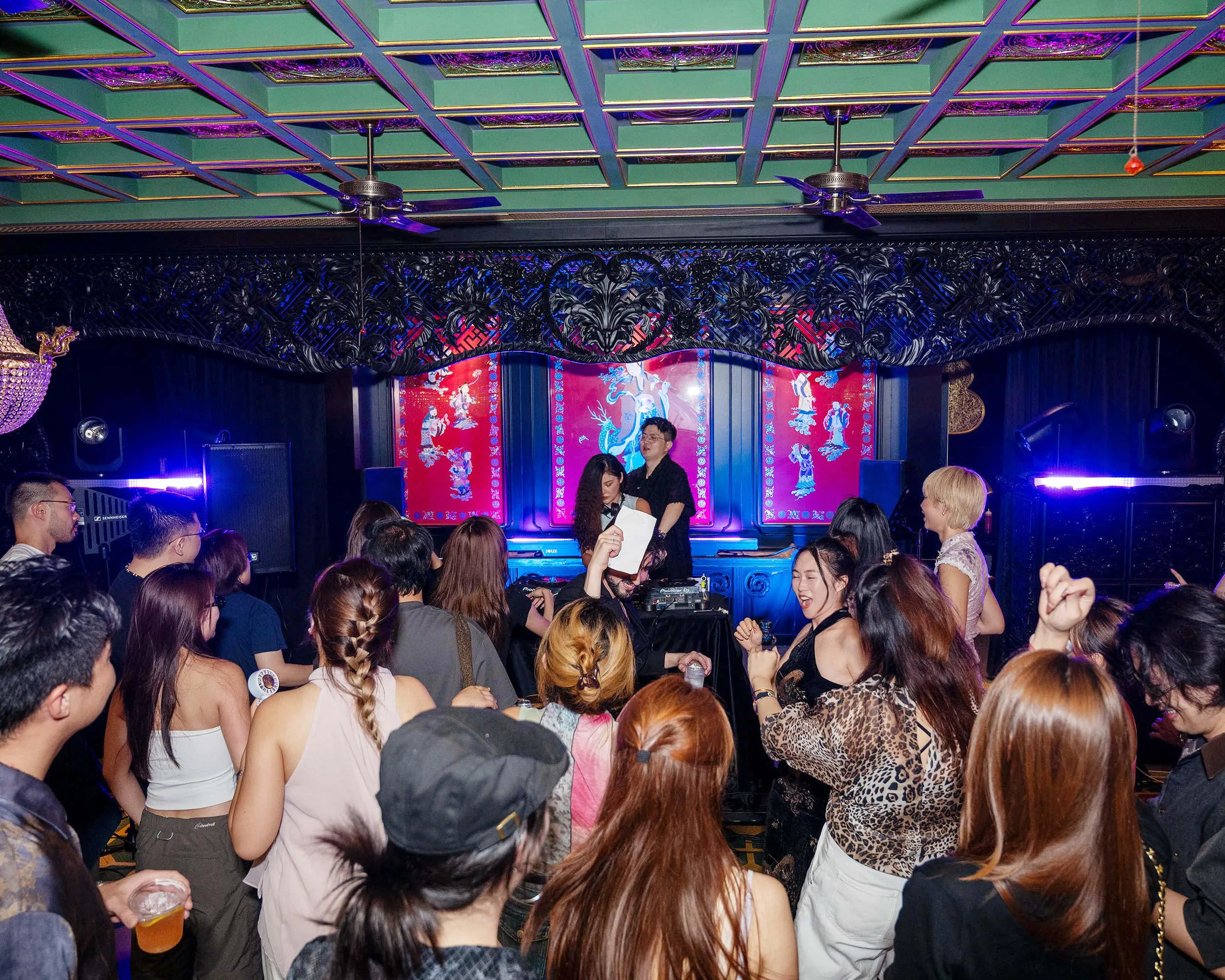
Ours Dim Sum Rave: Where Dim Sum Met the Dance Floor
Ours has done it again, this time, dropping electronic beats right into the heart of a tea house steeped in the nostalgic charm of 20th-century Hong...
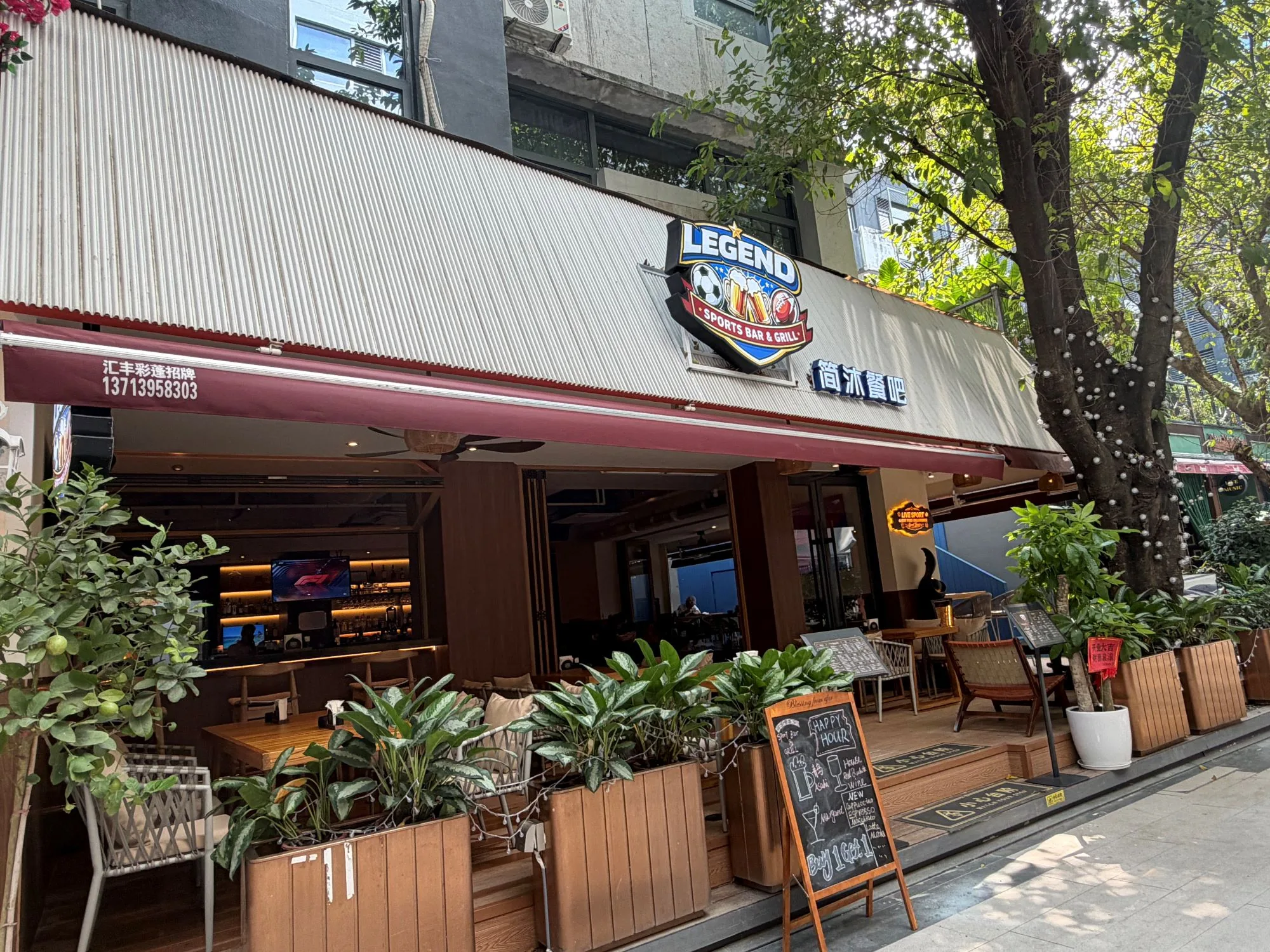
Legend Levels Up: Shekou's Beloved Hangout Reinvents Itself as a Sports Bar & Grill
Some bars are places you go. Legend is a place you return to. For six years, this Shekou staple has anchored the corner of Nanhai Yiku, pouring...
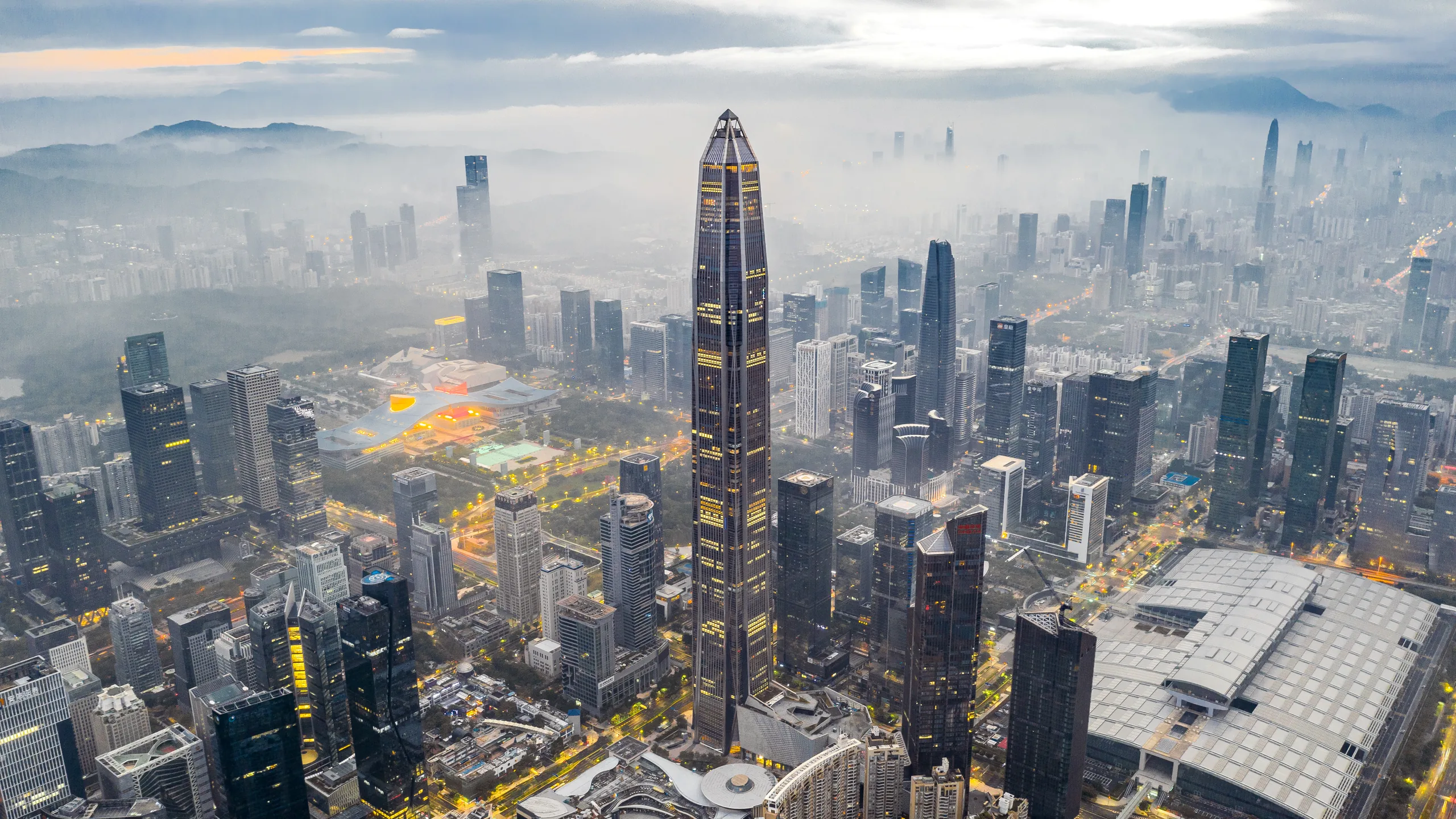
Free Sky Observation Deck: Shenzhen's Window to the Clouds at 547.6 Meters
High above the pulsating heart of Shenzhen, the Free Sky Observation Deck commands the 116th floor of the Ping An Finance Center at a...