
Public Fitness Equipment & Park Life
By Nowshenzhen · September 10, 2025 · 3 min read · 👁 1,187 views

How Standing Still Became a National Sport
Shenzhen has parks. Parks with paths, trees, and benches—so far, nothing special. But then you spot those bright yellow and purple fitness machines, which look as if someone raided a children’s carousel inside a UFO. Officially: exercise. Unofficially: municipal cabaret.
There it stands, the stepper. Two footplates, one pole, the end of engineering ambition. Whoever climbs on is basically just stomping in place, as if trying to push the Earth’s crust a little deeper toward the molten core. And always occupied by elderly ladies who have clearly decided: This is it. This is where I live now. Sport? No. Ceremony! You walk past an hour later — and they’re still there, rocking, swaying, utterly unshaken. Human metronomes, hammering out the park’s tempo as if they’d signed a binding agreement with the universe itself to keep it running on permanent loop.
Right next to it, the upper-body rotation machine: two giant discs that resemble ship’s wheels. Middle-aged men crank them like captains steering an ocean liner full of responsibility. Course, speed, destination? None. Welcome to the park’s command center. Sometimes two captains meet there, spinning opposite wheels, neither speaking, just nodding once in brotherly recognition: fellow pilots of ships that never move.
Then the leg-swing contraption: two platforms that swing sideways. Supposedly good for balance, but in practice it looks like people are chasing an invisible hurdle that never appears. Women in floral blouses especially master the hip swing here—both hypnotic and mildly unsettling. If you stand too long watching, you feel you’re intruding on some ritual dance to please the gods of arthrosis.
Of course, the “push-and-pull thingy” can’t be missed: two handles you move back and forth—an inch forward, an inch back. Whether it trains biceps or just checks if your joints still creak remains unsolved. Teenagers sometimes jump on it two at a time, competing who can look more ridiculous, and usually succeeding.
But the real magic is in the improvisations. An old man clips his newspaper into the machine to keep the wind from flipping pages, pedaling so slowly even snails overtake him. A woman hangs her shopping bags on the bars, because carrying groceries home is already workout enough. Another one uses the equipment to dry laundry—socks dangling from the handlebars, catching sunlight more reliably than any balcony. Kids treat everything as a climbing frame, while dogs wait tied up beside them, staring at their owners as if to say: Really? I have to stand still while you wobble around in circles?
Morning in the park is a full-blown variety show. On one side, a woman belts out revolutionary songs into a tinny portable speaker, convinced she’s the reincarnation of Pavarotti. On the other, a group of retirees rehearse a fan dance, every flick of the wrist accompanied by a grunt of concentration. Tai chi groups claim the shadier corners, their movements so slow you wonder if they’re buffering. And floating somewhere above it all, the creak and squeak of the fitness machines provide the soundtrack—an orchestra of bolts and bearings, playing the eternal symphony of slightly rusted steel.
There’s also the unspoken competition: who can hold their machine the longest. Some refuse to step off, guarding their contraption like emperors on thrones. If you dare to approach too closely, you’ll receive the sharp look that says: I may be 82, but this swing-bar belongs to me. Come back in 45 minutes.
And yet, despite the absurdity, it works. Not as training, but as ritual. The machines anchor people. They mark the day, provide a reason to come outside, create community without requiring anyone to actually talk. A nod here, a smile there, the comfort of seeing the same faces every morning.
In the end, these machines aren’t a gym—they’re a stage. Nobody’s training here; they’re performing: “I’m doing something for myself.” Even if that “something” is holding onto a bar for 15 minutes that has seen more human hands than a metro handrail.
And outside, beyond the park, the real morning opera is already rolling—louder, brighter, rawer. But here inside, the metal bars still creak, as if whispering: welcome to the theater of park life.
And if you ever doubt their value, just remember: in a city racing toward the future at bullet-train speed, these squeaky contraptions are the only place where standing still, still counts as progress.
Keep reading
All in Articles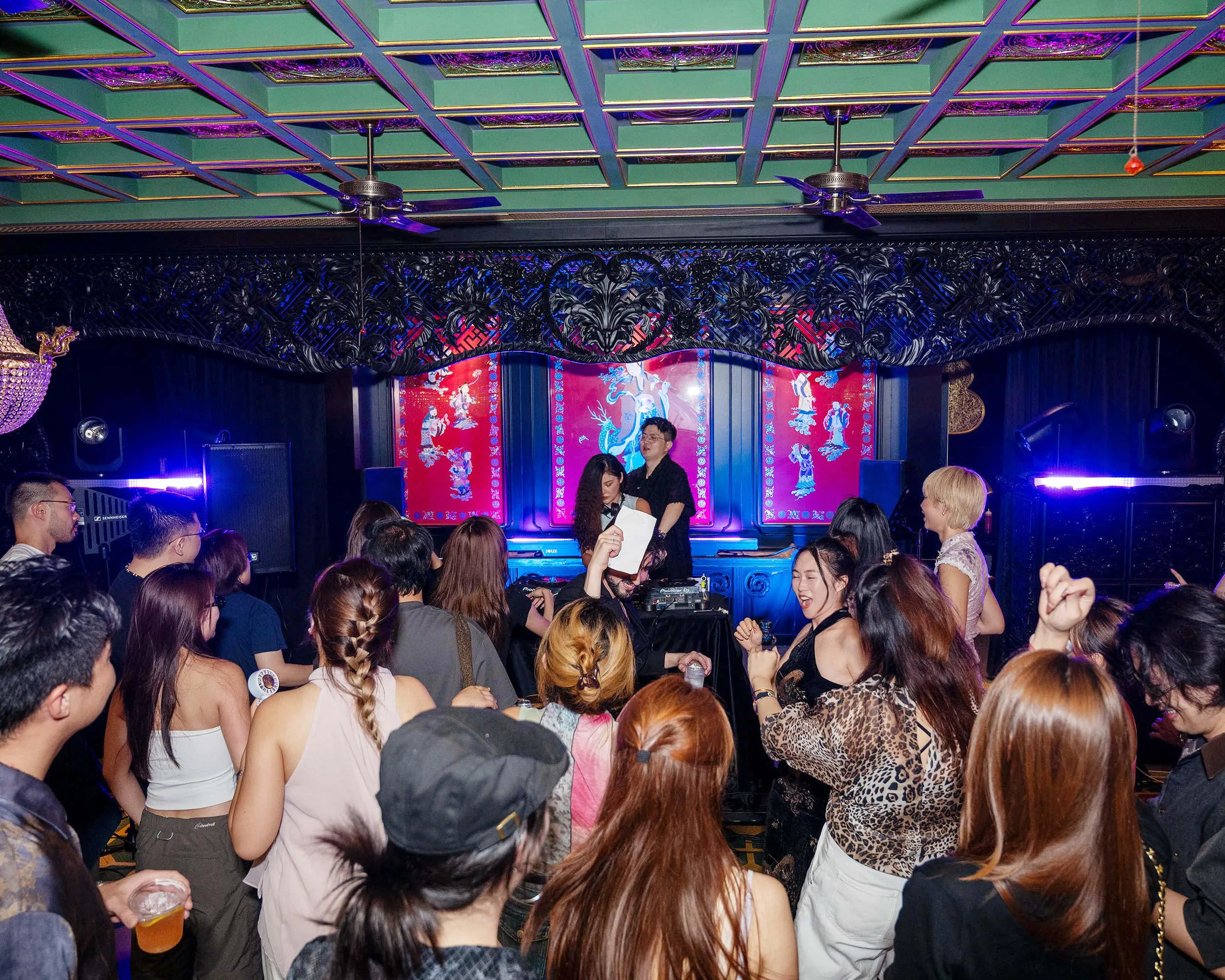
Ours Dim Sum Rave: Where Dim Sum Met the Dance Floor
Ours has done it again, this time, dropping electronic beats right into the heart of a tea house steeped in the nostalgic charm of 20th-century Hong...
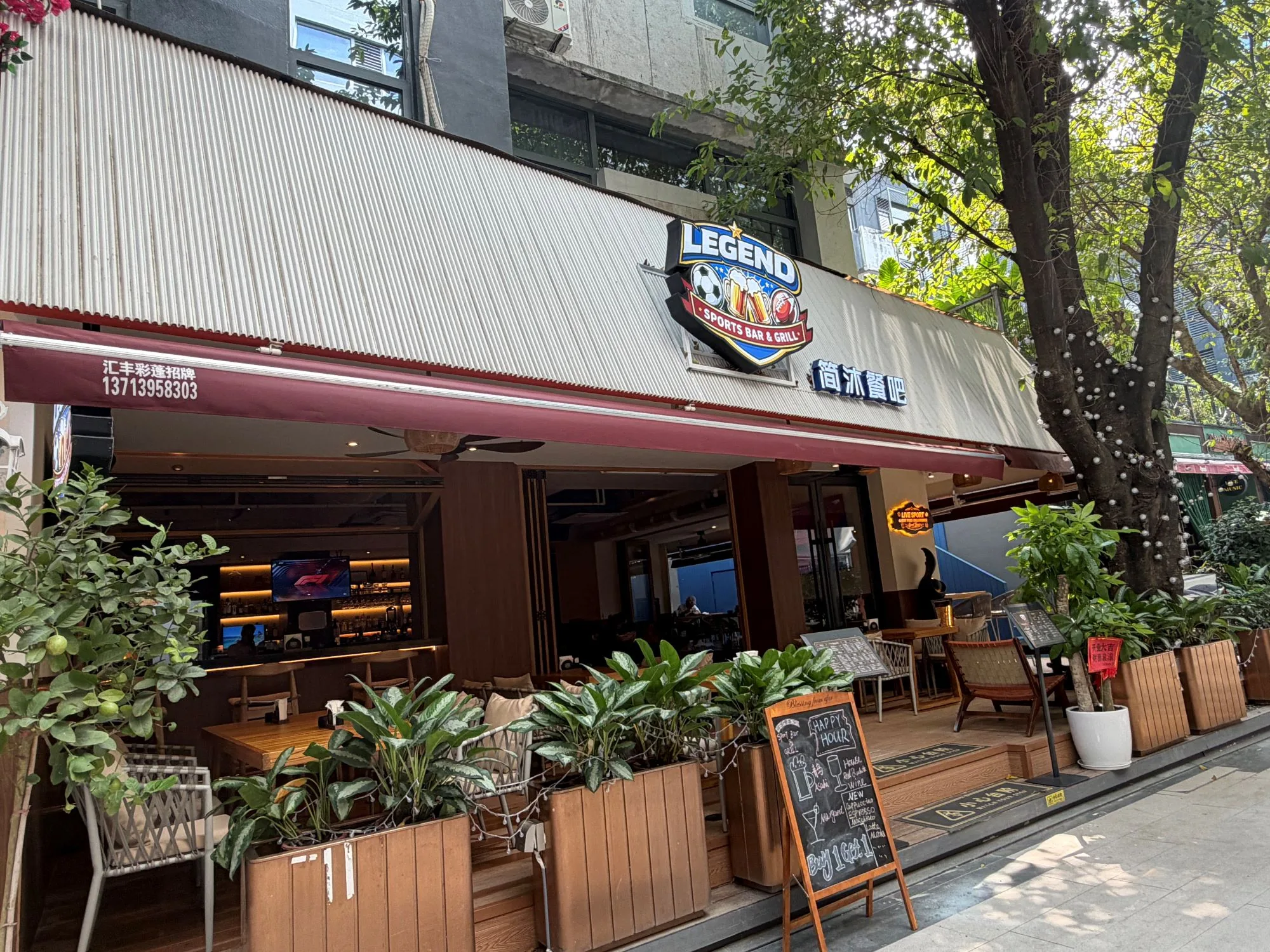
Legend Levels Up: Shekou's Beloved Hangout Reinvents Itself as a Sports Bar & Grill
Some bars are places you go. Legend is a place you return to. For six years, this Shekou staple has anchored the corner of Nanhai Yiku, pouring...
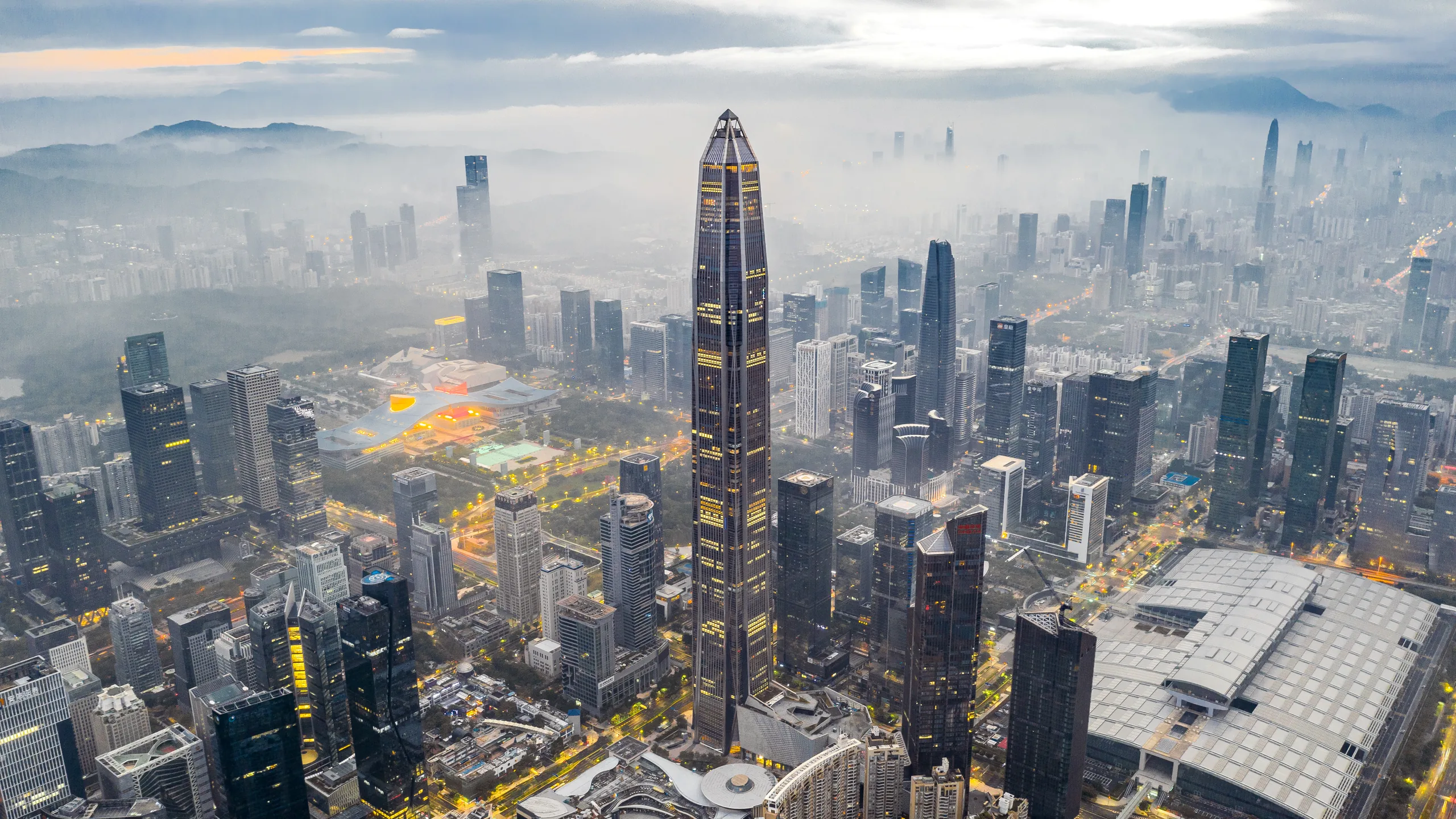
Free Sky Observation Deck: Shenzhen's Window to the Clouds at 547.6 Meters
High above the pulsating heart of Shenzhen, the Free Sky Observation Deck commands the 116th floor of the Ping An Finance Center at a...