
Sea World Shekou and the Ship That Never Left Port
By Nowshenzhen · October 31, 2025 · 5 min read · 👁 1,008 views

Once upon a time, Shekou was small enough that if you blinked, you missed it. A few crooked streets, a handful of lights, and at the front, right by the water, Sea World. It was called SeaWorld back then, and it’s still called Sea World today. No dolphins, no shows, just a cluster of restaurants pretending to be international.
There was a Thai restaurant with plastic chairs that squeaked like they were alive, an Italian place where the owner argued with everyone including the sea, and a German beerhouse where you didn’t order a beer you entered a long term relationship with it. Next door, the pub. Dark. Friendly. Permanently under ventilated. You walked in for one drink and came out when the sun returned. And always the same faces at the counter two of them unmistakably the Statler and Waldorf of Shekou. No balcony this time just two barstools with better acoustics.
“Look another newcomer ordering Tsingtao like it’s Dom Pérignon”
“He’ll survive two weeks”
“You’re generous I give him five days”
And then the laughter rolling through the smoke and the sea air. That was old Shekou small honest faintly absurd, and perfectly comfortable with its own imperfections.
Behind all that stood the legend the ship. The ship that had everything. It didn’t float anymore someone had dragged it ashore years ago planted it like a tree and decided it would never leave again. Downstairs was a hotel upstairs a brewery and somewhere in between enough confusion to be considered culture. You could sleep drink and eat your way through all three floors without ever touching land. A ship without water a port without sea and a story that refused to sink.
You could sit outside on the deck with a cold beer in your hand watching fishing boats drift by. The air smelled of salt diesel and something fried not exactly paradise but close enough. People didn’t come here to network they came to un network. It was the kind of place where nothing happened and that was exactly the point.
That was Shekou then. A tiny place. A village. What in German we call a small Gallic village, like in the Asterix storybooks, a stubborn little community refusing to bow to the modern empire. A few crooked streets, a few familiar faces, and a rhythm so slow that time itself seemed polite.
Now the ship still sits there. Refurbished, polished, fresh paint, clean lights. From the outside it looks alive again, but inside it is mostly empty. The brewery upstairs is gone. The hotel downstairs too. The ship now feels like a renovated memory. Beautiful, but with no real reason to exist anymore.
During the day Shekou shines like a showroom that discovered mirrors and never recovered from the excitement. Tesla, NIO, XPeng, Huawei, all lined up like contestants in a beauty contest sponsored by WiFi. Fishermen have disappeared. Influencers have taken their place. Even the seagulls look like they drink oat milk.
And then there is the coffee. Shekou now has the highest coffee shop density in the city, maybe in the entire country. You walk ten meters and run into another café: Manner, Starbucks, Peets, Luckin, M Stand, Seesaw, Tim Hortons, and dozens of independents that all claim to roast their beans on the premises, process their own foam, and understand your inner trauma through latte art. Tea once defined China, but coffee defines modern China. The baristas act like priests, the espresso machines are altars, and milk foam has become scripture. Ask for a normal coffee and you get the look of someone who just witnessed a war crime. Single origin. Double shot. Oat milk, soy milk or pure self doubt.
Somewhere along the way the bakeries arrived. There used to be none, now there are many. Shiny glass, polished pastries, croissants that look like they went through aerospace testing. People do not really eat them, but they do photograph them. Bread has become a lifestyle accessory.
Restaurants appear and disappear faster than rumors. One week sushi, the next week vegan grill, before the starter arrives it has already reinvented itself as coastal minimalist Mediterranean. Italian pasta in a Scandinavian café that plays Cuban jazz. Brazilian barbecue next to Lebanese falafel next to a French duck place run by a chef from Argentina who lived six months in Korea and now calls it fusion. The old beerhouse is gone. The pub is gone. The beerhouse became a steakhouse with leather chairs and imported truffle oil. New pubs appeared with Edison bulbs, exposed concrete and motivational quotes on the wall. Everything is curated. Everything has meaning. Nothing smells like spilled beer anymore.
And somewhere between all the cafés and restaurants, there is still the most universal sign of old Asia: massage. Bright signs promising relaxation and healing, but you can tell from the pricing whether it is traditional medicine or modern disappointment. Back in the old days the massage places were hidden behind suspicious doors with fluorescent lighting. Now they are designer spas with soothing jazz, eucalyptus scent, and a menu of treatments that sound like a graduate program. Ancient tradition, now subscription based.
On weekends Shekou explodes. Lights everywhere. Pop up stalls. Crowds that move like liquid electricity. Trinkets, bonsai trees, Bluetooth speakers shaped like pineapples, cookies that promise happiness. It is part street fair, part fever dream, completely irresistible.
Old Shekou was human. Slow, clumsy, warm. New Shekou is digital. Caffeinated. Curated. Constantly updating. Where people once talked, they now produce content. Where laughter once echoed, there is live streaming. Where Statler and Waldorf once sat, there is now a couple vlogging their medium rare steak. Beneath the neon surface and the latte foam, the heart still beats. Faster, brighter, louder, but still the same heart.
That old Shekou, the stubborn small Gallic village from Asterix, is gone. Not in a tragic way. Just gone. What exists now is bigger, shinier, more caffeinated. A consumer paradise. Not bad. Not wrong. But sometimes, just sometimes, I miss that little village where nothing happened. And that was exactly the point.
Chris Gassner
October 31, 2025
Keep reading
All in Articles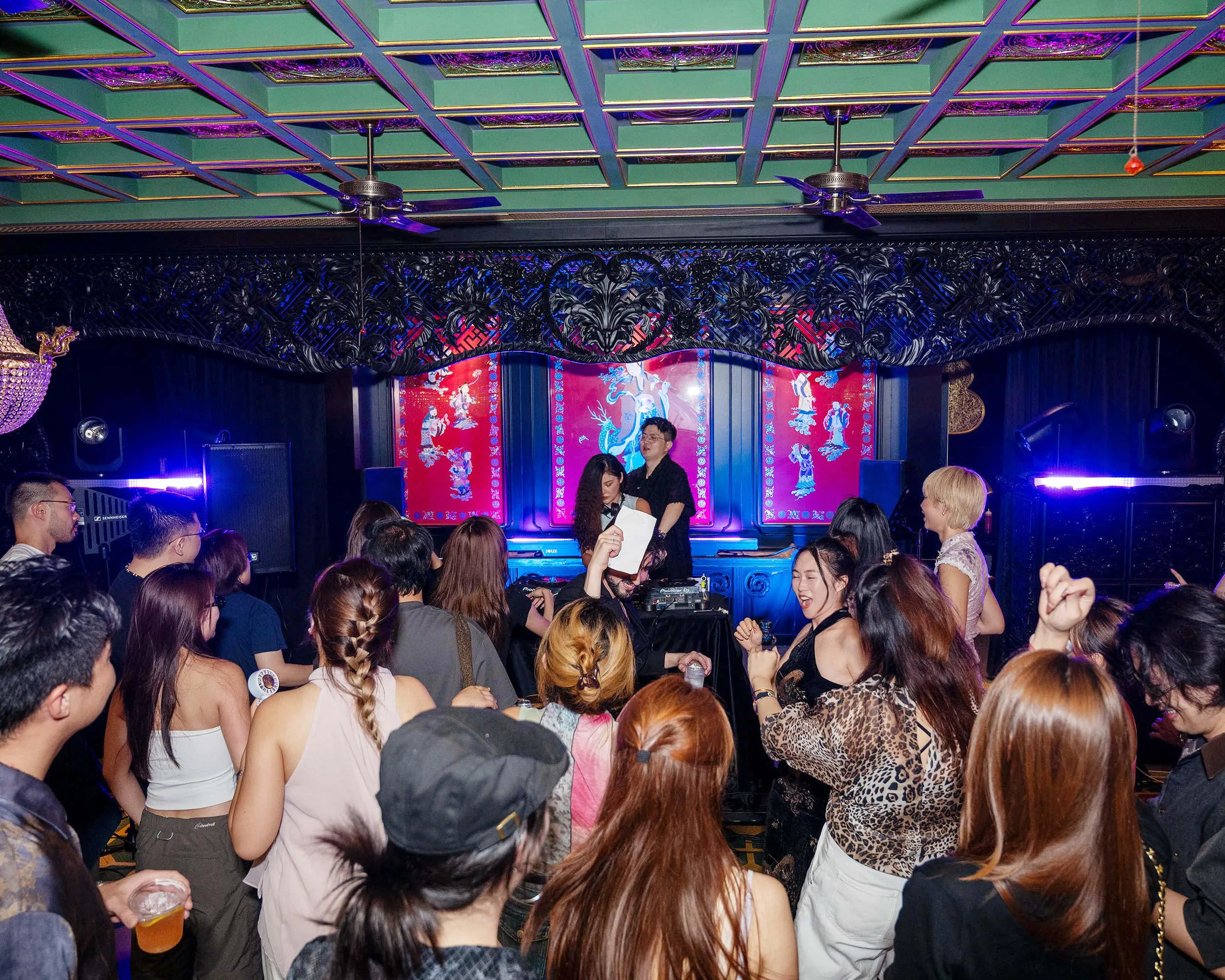
Ours Dim Sum Rave: Where Dim Sum Met the Dance Floor
Ours has done it again, this time, dropping electronic beats right into the heart of a tea house steeped in the nostalgic charm of 20th-century Hong...
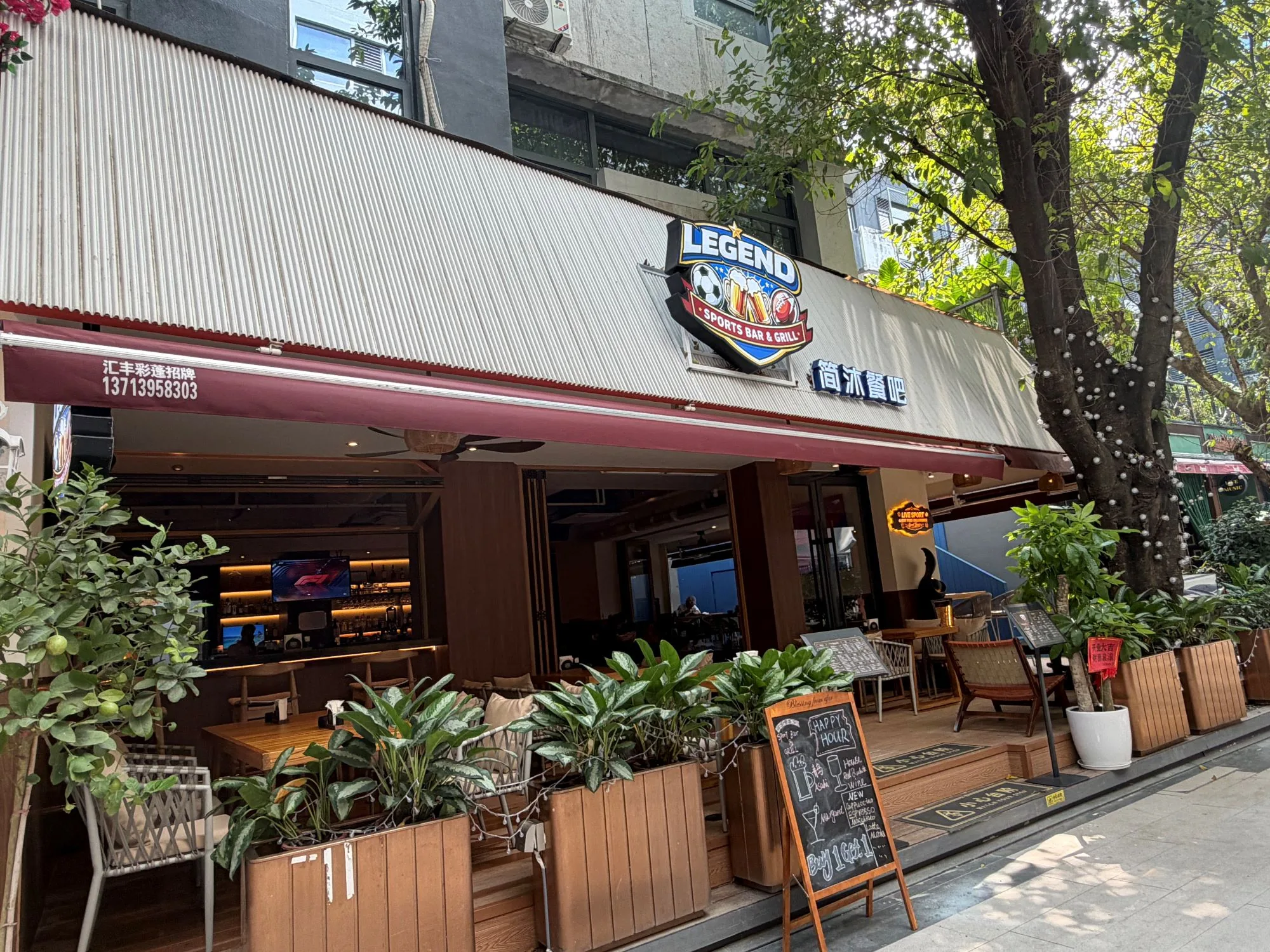
Legend Levels Up: Shekou's Beloved Hangout Reinvents Itself as a Sports Bar & Grill
Some bars are places you go. Legend is a place you return to. For six years, this Shekou staple has anchored the corner of Nanhai Yiku, pouring...
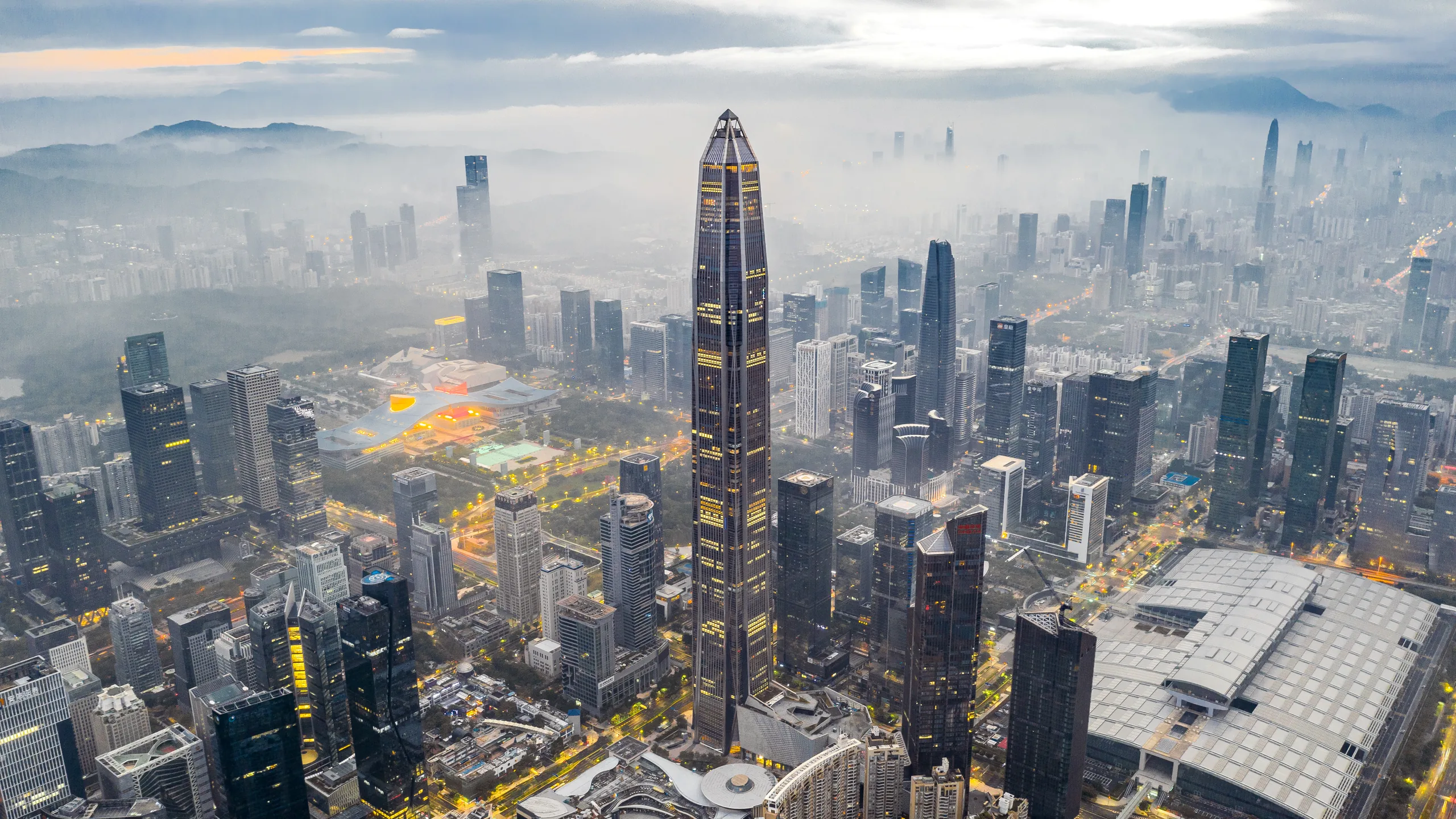
Free Sky Observation Deck: Shenzhen's Window to the Clouds at 547.6 Meters
High above the pulsating heart of Shenzhen, the Free Sky Observation Deck commands the 116th floor of the Ping An Finance Center at a...