
Shenzhen Goes Quiet: The Strange Magic of Chinese New Year
By Chris Gassner · January 27, 2026 · 5 min read · 👁 590 views

Chinese New Year never arrives on time. It also never arrives logically. Every year it lands somewhere else. Sometimes mid January, sometimes late January, sometimes somewhere in the middle of February. The Chinese calendar seems to reshuffle the date every year, as if planning reliability were a Western rumor. One thing is certain. Somewhere between winter and spring, it starts.
And then the city begins to change. Slowly, almost unnoticed.
You notice it first in traffic. Shenzhen, normally a place where every intersection is a test of patience and every red light feels like a small life decision, suddenly becomes friendly. You drive off and you arrive. No stress. No honking. No inner voice whispering that this will take forever. Parking spaces appear right in front of your destination. Not one. Several. You look around because this cannot be real.
A few days later, things get strange. Delivery drivers disappear. Meetings dissolve or turn vague. Sentences start with “after New Year” and end somewhere in the fog. Restaurants close without warning. No sign. No explanation. Just shutters down. Supermarkets are still open, but they already feel half asleep.
The city keeps emptying. Offices look like film sets after shooting has wrapped. Lights on, nobody there. Security guards sit around, stretched out on chairs, phone in hand, because there is simply nothing left to guard. No movement. No urgency. Shenzhen exhales.
And exactly at this moment, just before nothing works anymore, something completely illogical happens.
The company party.
Anyone who thinks a company event in Shenzhen is just dinner and polite conversation has never experienced a Chinese New Year gala dinner. These evenings are not parties. They are productions. Planned down to the minute. Run with the seriousness of an Olympic opening ceremony.
Months in advance, HR lives inside Excel spreadsheets that look like airport construction plans. Every minute is scheduled. Drums at 6:05 pm. Speech at 6:10 pm. Applause at regular intervals. And applause always happens. No matter what. You could read the agenda out loud and people would cheer as if someone had just doubled the bonus.
Departments suddenly turn into stage performers. Accounting dances. Logistics sings. IT attempts comedy. Not because they are professionals, but because that is how it is done. Because it belongs to the ritual. And because people end up on stage that you usually only see sitting still, focused, behind screens.
Of course, there is also a magician. There is always a magician. His tricks are not bad, but not good enough to raise real questions. You sense early where the ring comes from and why the card reappears. Still, people clap as if someone had briefly suspended the laws of physics. Chinese New Year.
The venue is almost always a hotel ballroom. Stage, lights, sound system, and most importantly round banquet tables. Lots of them. Very many. Each table quickly becomes its own little ecosystem of plates, glasses, and conversations. And food matters. A lot. Nobody says it out loud, but everyone knows. Dishes arrive in waves. Plate after plate, until the table looks like someone tried to order the entire menu at once. People eat in between, quickly, constantly interrupted by looking at the stage, clapping, standing up, sitting down again.
Then there is the manager table. That is where the boss sits, surrounded by management, well groomed and composed, at least at the beginning. From this table, the evening’s endurance test begins. Every single table in the room must be visited. Every table must be greeted. And at every table, glasses must be raised. With 300 or 400 people and about twelve per table, the math speaks for itself. Halfway through the room, walking speed slows slightly, jokes get bolder, and smiles become a little wider. You cannot always pretend you are not drinking. Sometimes it works surprisingly well. And sometimes you can see the boss mentally numbering the remaining tables.
The real highlight happens on stage. The raffle. Phones go up, names are called, prizes change hands in seconds. There are phones, tablets, blenders, and red envelopes with cash, sometimes more, sometimes less, but always enough to trigger a wide grin. And then come the hongbaos. The real ones made of paper. And the digital ones on WeChat. A virtual envelope opens, a pool is released, and within seconds everyone taps their screens at the same time. Some get more, some get less, sometimes only a few mao remain. Still, everyone taps. Always. It is not about the amount. It is about whether you were lucky. Those who get nothing complain briefly about their phone. Those who win laugh. And everyone agrees on one thing. As long as you got something, it counts.
Drinking happens too. Of course. But in a controlled way. The era of collective wipeouts is over. Today it is just enough to keep the mood high, but not enough to turn the ballroom into a field hospital. There are exceptions, of course. You recognize them later by the fact that they choose to spend the rest of the evening in the restroom, developing a surprisingly close relationship with sinks and tiles.
And then, almost unnoticed, it is over. Not when the last plate is cleared, but when the hongbaos are handed out, the gifts distributed, and the food completely finished. A moment ago there were 200, 300, maybe 400 people. Minutes later, the room is empty. No goodbyes. No afterglow. Just gone.
The next day, Shenzhen is empty. Truly empty. For a brief moment, the city belongs to nobody, because everyone is on the move. Heading home. Back to their hometowns. For a few days or a few weeks.
Chinese New Year in Shenzhen is like a carousel you cannot stop. It spins differently every year. With food, stage shows, applause, and red envelopes. And just when you think you do not need it again next year, it starts all over. Because it is tradition. And because it always happens.
Wishing everyone a happy Chinese New Year. Eat well, rest well, and come back healthy.
Chris Gassner
Keep reading
All in Articles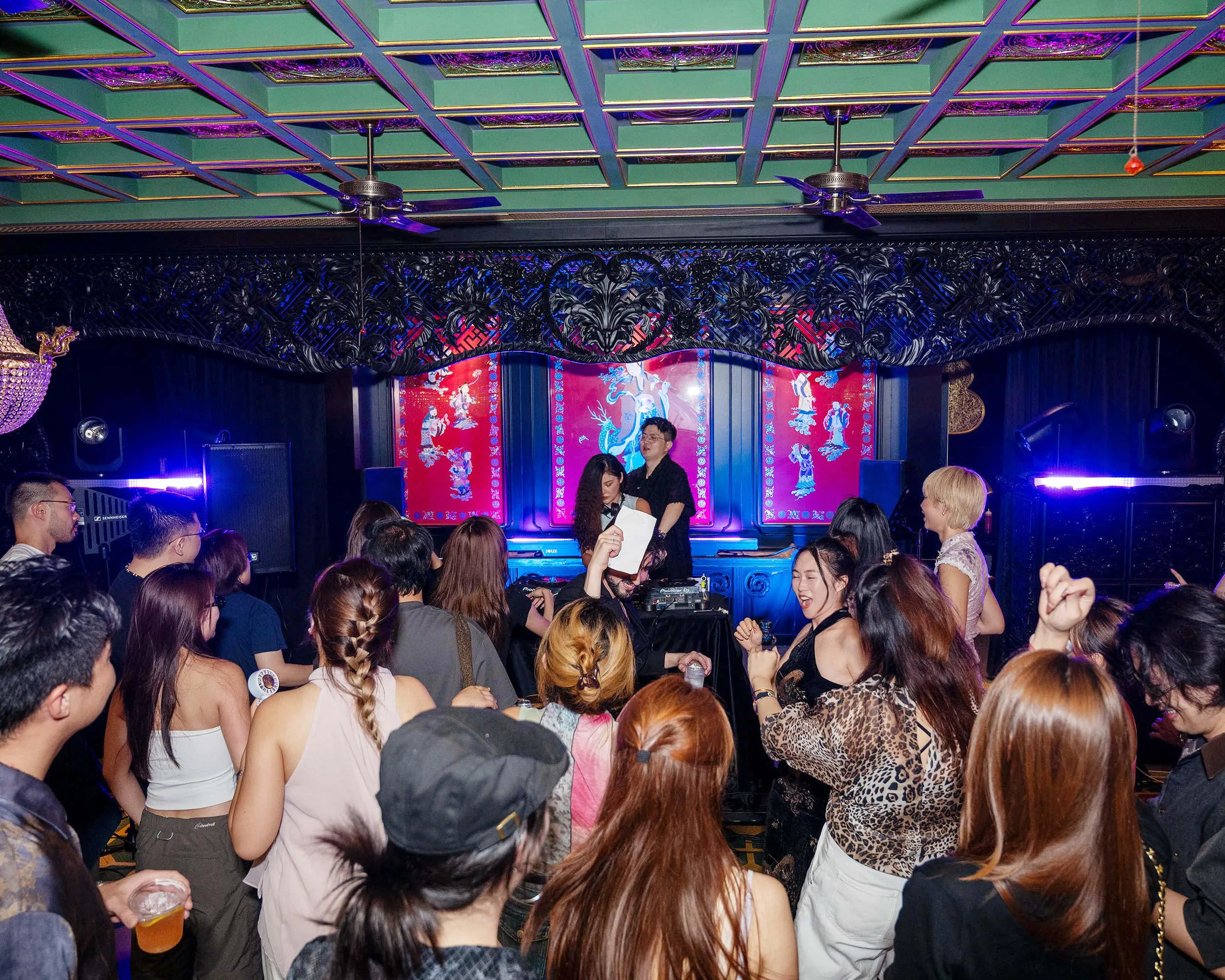
Ours Dim Sum Rave: Where Dim Sum Met the Dance Floor
Ours has done it again, this time, dropping electronic beats right into the heart of a tea house steeped in the nostalgic charm of 20th-century Hong...
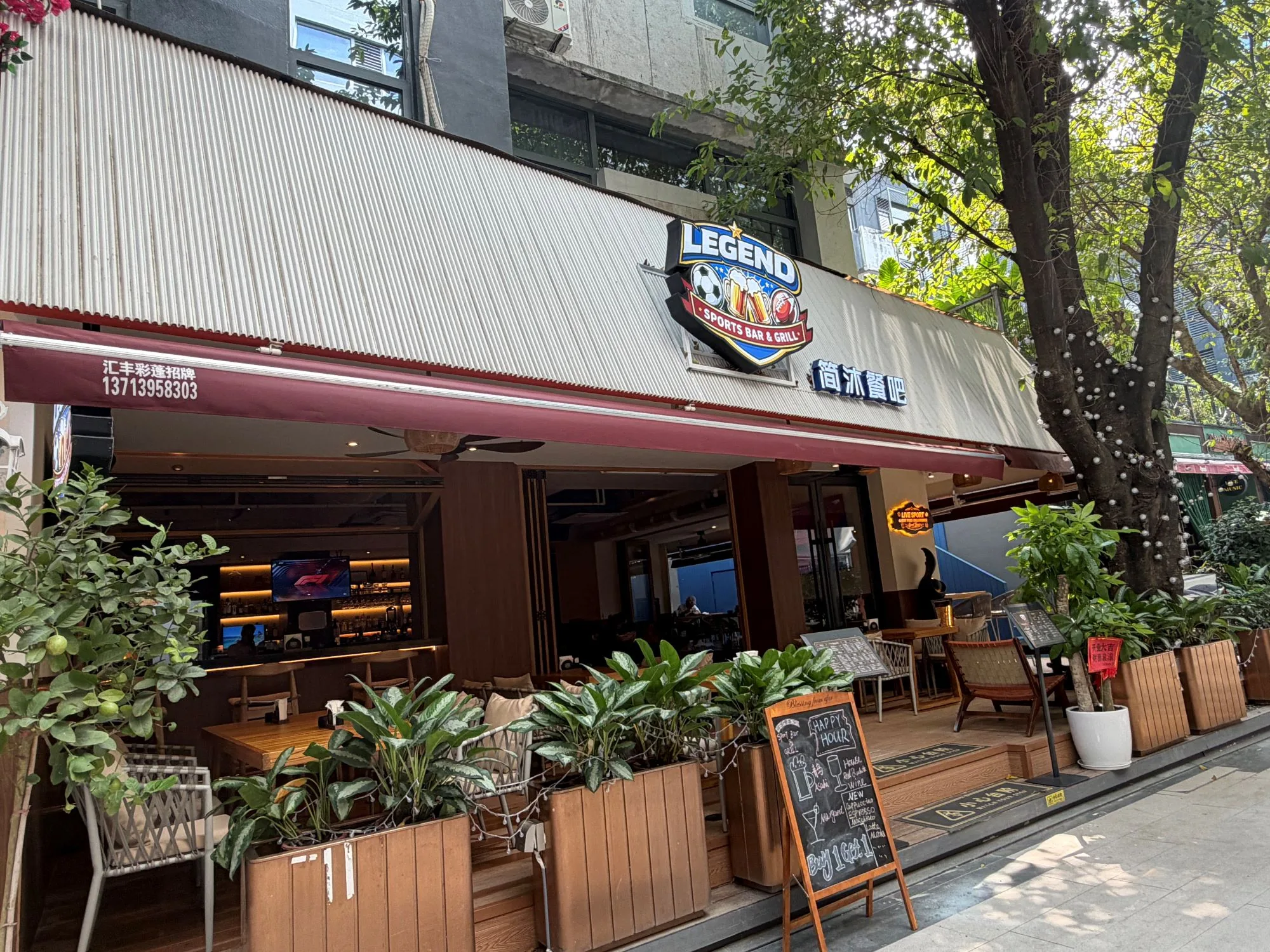
Legend Levels Up: Shekou's Beloved Hangout Reinvents Itself as a Sports Bar & Grill
Some bars are places you go. Legend is a place you return to. For six years, this Shekou staple has anchored the corner of Nanhai Yiku, pouring...
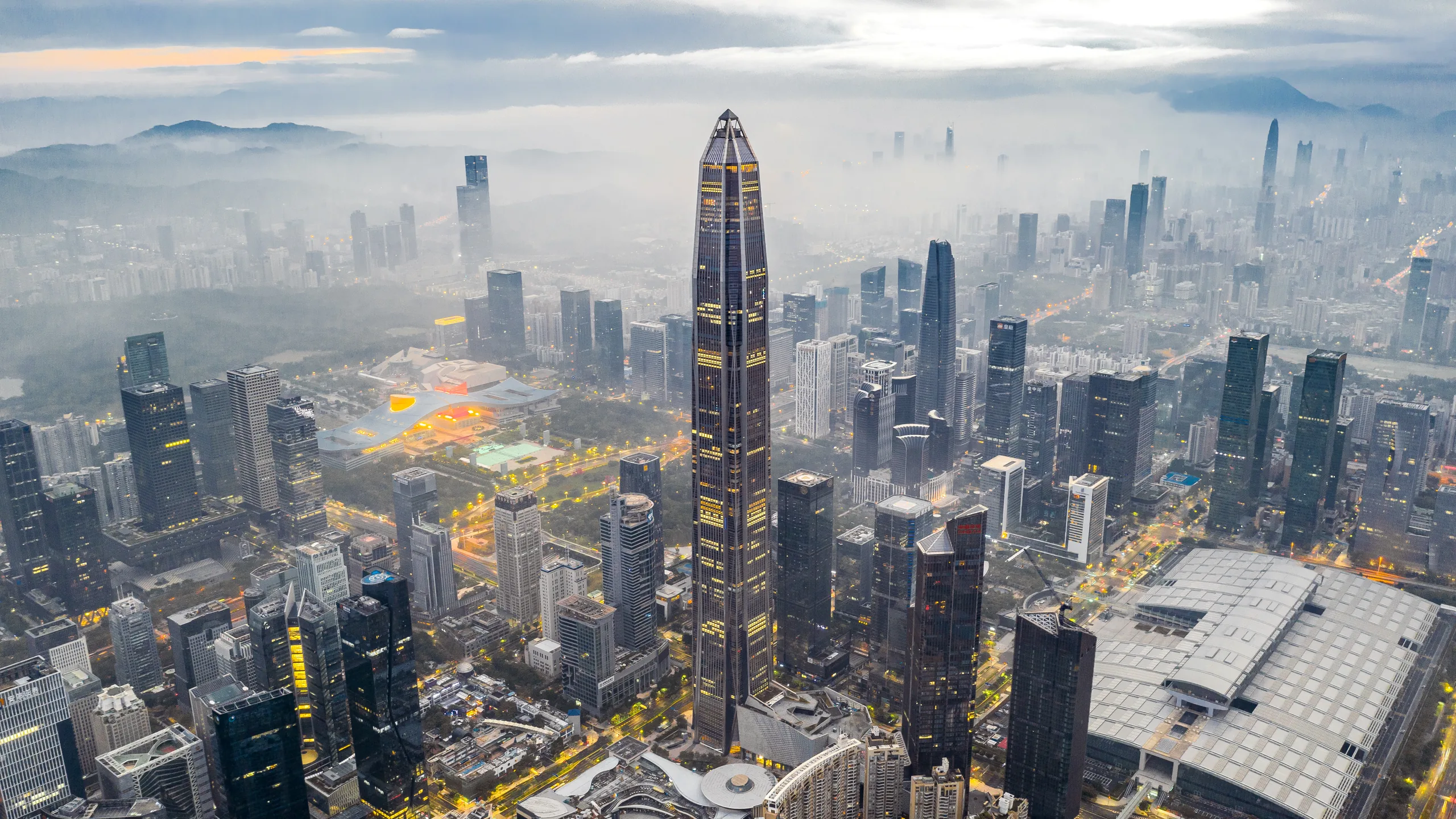
Free Sky Observation Deck: Shenzhen's Window to the Clouds at 547.6 Meters
High above the pulsating heart of Shenzhen, the Free Sky Observation Deck commands the 116th floor of the Ping An Finance Center at a...