
The Great Chinese Mall Symphony
By Nowshenzhen · October 26, 2025 · 4 min read · 👁 1,000 views

They say China’s economy is slowing down. Slowing down! That’s what they say. Meanwhile, I take a walk through any Chinese city — and I mean any — and I can’t find the end of it, because every few kilometers there’s a new shopping mall under construction. You think it’s a subway exit? No. It’s a K11. You think that’s the same K11 you just passed? No. That one was K11 Select, this one’s K11 Musea, and tomorrow there’ll be K11 But Wait, There’s More!
You stand there like an idiot, trying to find the sky — but there is no sky anymore, there’s only glass roofs, escalators, and a woman in an oversized coat holding a bubble tea the size of a fire extinguisher.
And they’re all full. Full! Not just ground floor — ten floors! A temple to consumption! A vertical pilgrimage from H&M to Zara to “Zara but slightly cheaper but also somehow more expensive.” You take an escalator, and another escalator, and by the fifth one, you’re not sure if you’re still on Earth or already in a luxury orbit.
In the old days, a mall was simple: one supermarket, a shoe store, maybe a bakery. You could leave your dignity at the entrance, buy socks, and go home. Here? You enter a mall and you don’t come out the same person. You come out enlightened, broke, and smelling of matcha.
It starts innocently: you think, “Let’s just grab a coffee.” Big mistake. Because here, every floor is a coffee floor. You have Manner Coffee, M Stand, SeeSaw, Starbucks, Starbucks Reserve, Starbucks But Cooler, and some place where the barista looks like he escaped from a Berlin art commune. You pay 45 RMB for something that tastes like regret and oat milk, and you feel modern.
Then the confusion begins. You look at the floor map — that glowing touchscreen monolith that lies to your face — and you realize: every single shop is open. Even the ones that say “Coming Soon.” Because in China, coming soon means tomorrow morning at 10 a.m. They build, they fill, they open — sometimes before the paint dries. The rent is free for the first months, so you get the weirdest stores you’ve ever seen. Shops that sell only socks for dogs, vegan perfume, or ergonomic spoons for left-handers — but they’re open, they’re bright, and they survive long enough for the next mall to open down the street.
And the architecture! Every mall wants to outdo the last. One has waterfalls. The next has a fake rainforest. The third has penguins. Real ones, I think. Nobody knows anymore. Somewhere in Chengdu there’s a mall with a rooftop ski slope. In Guangzhou, there’s one that plays whale sounds while you shop for underwear. And in Shanghai? They built one entirely underground — because the only way to beat the competition now is to dig to Australia.
What fascinates me most is the speed. I swear, they build these things overnight. You go to sleep — empty lot. You wake up — mall with eight floors and an IMAX. Fully rented. People inside already complaining about the Wi-Fi. How? How is that possible? Even the shops are cloned faster than rabbits on Red Bull.
And somehow, every single brand finds a spot. You think there can’t possibly be another Uniqlo. Wrong. There’s always another Uniqlo. Somewhere in Wuhan, two Uniqlo managers are playing chess to decide who gets the next corner. And while they’re thinking, the next mall is already finished — and they both move in.
Of course, there’s always a “luxury zone.” Gold letters, velvet ropes, guards in suits with earpieces. You walk in there, and immediately you know you don’t belong. The air smells different. The light costs more. You see one handbag — no price tag. That’s how you know you’re in trouble.
Then there’s the “family entertainment floor,” which is code for children screaming in six dimensions. Bouncing castles, claw machines, arcades, all surrounded by cafés for parents pretending they’re fine. Every escalator becomes an emotional support ladder.
And yet — despite the madness — it works. Every mall has people. Old, young, bored, beautiful, lonely. It’s the new public square, the new religion, the new air-conditioned faith. Forget temples — we worship under LED skies now.
Sometimes I think China doesn’t build malls to sell things. It builds them to remind the world that stillness is death. Because when a new K11 rises next to an old K11, you can be sure: before you finish this sentence, the old one’s already been renamed K11 Heritage Experience Mall 2.0.
And me? I keep walking. One escalator at a time. Drinking overpriced coffee, questioning reality, and wondering when they’ll finally open a mall that sells time. Because that’s the only thing nobody’s figured out how to restock.
But then you look around — ten floors of light, sound, and pure logistics ballet — and you realize: they did figure it out. They built a whole economy out of motion. While the West is still debating how to reopen one department store, China already built five new ones, filled them, branded them, and added a rooftop café with cats.
You can call it crazy. You can call it capitalism with caffeine. But you can’t deny it: nobody builds dreams faster than the Chinese with a deadline and a latte.
That’s not a shopping mall. That’s a national hobby with elevators.
Chris Gassner
October 26, 2025
Keep reading
All in Articles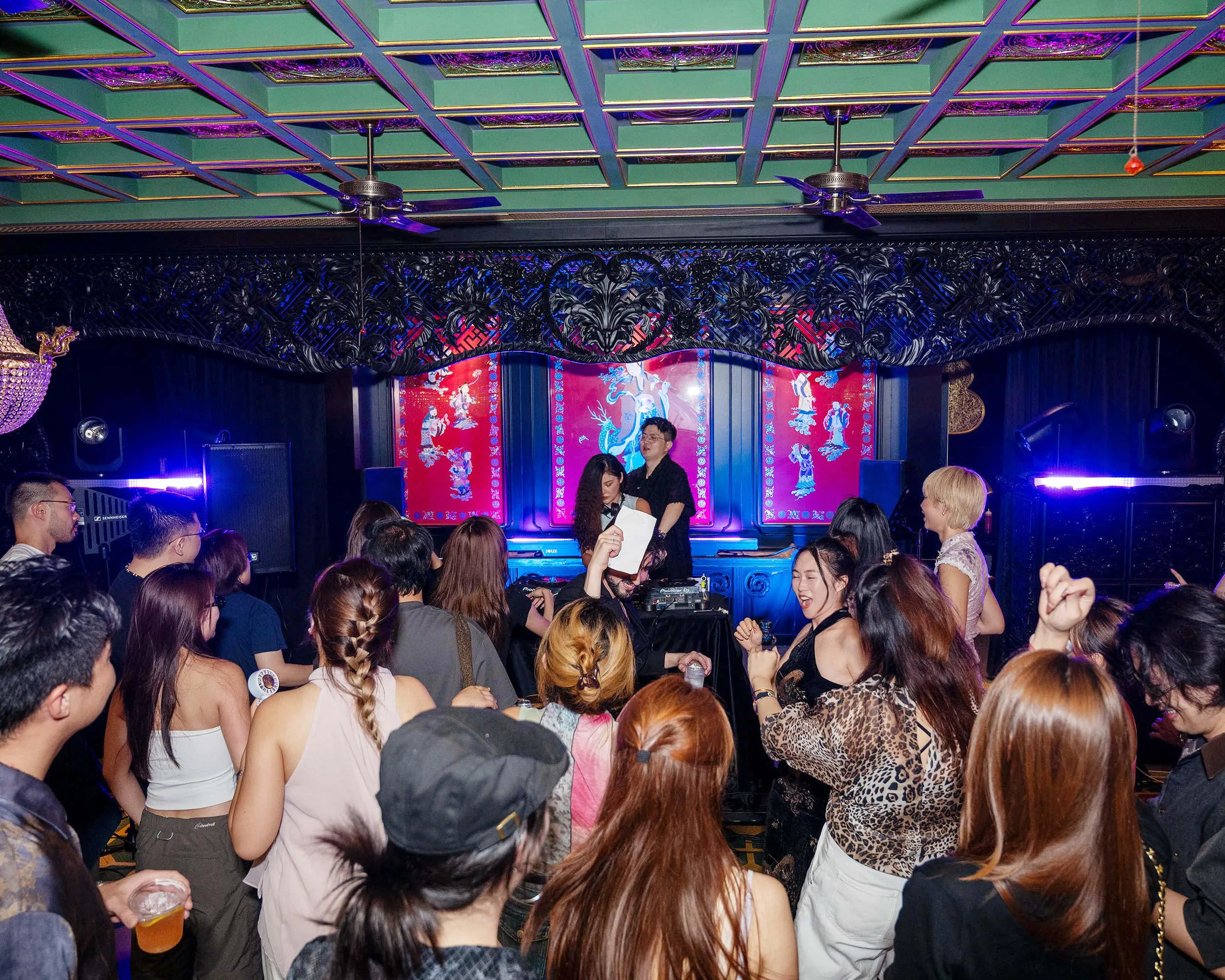
Ours Dim Sum Rave: Where Dim Sum Met the Dance Floor
Ours has done it again, this time, dropping electronic beats right into the heart of a tea house steeped in the nostalgic charm of 20th-century Hong...
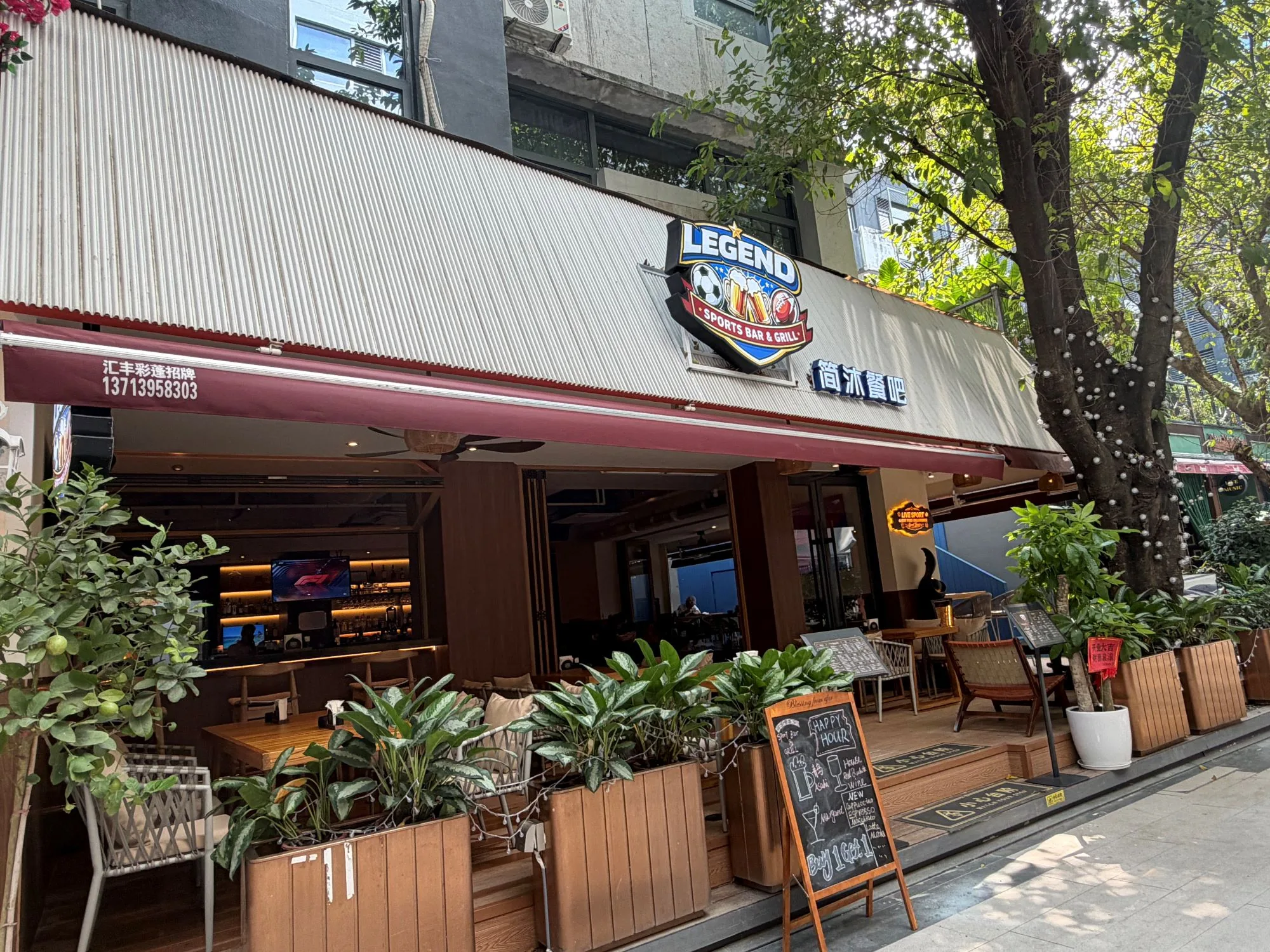
Legend Levels Up: Shekou's Beloved Hangout Reinvents Itself as a Sports Bar & Grill
Some bars are places you go. Legend is a place you return to. For six years, this Shekou staple has anchored the corner of Nanhai Yiku, pouring...
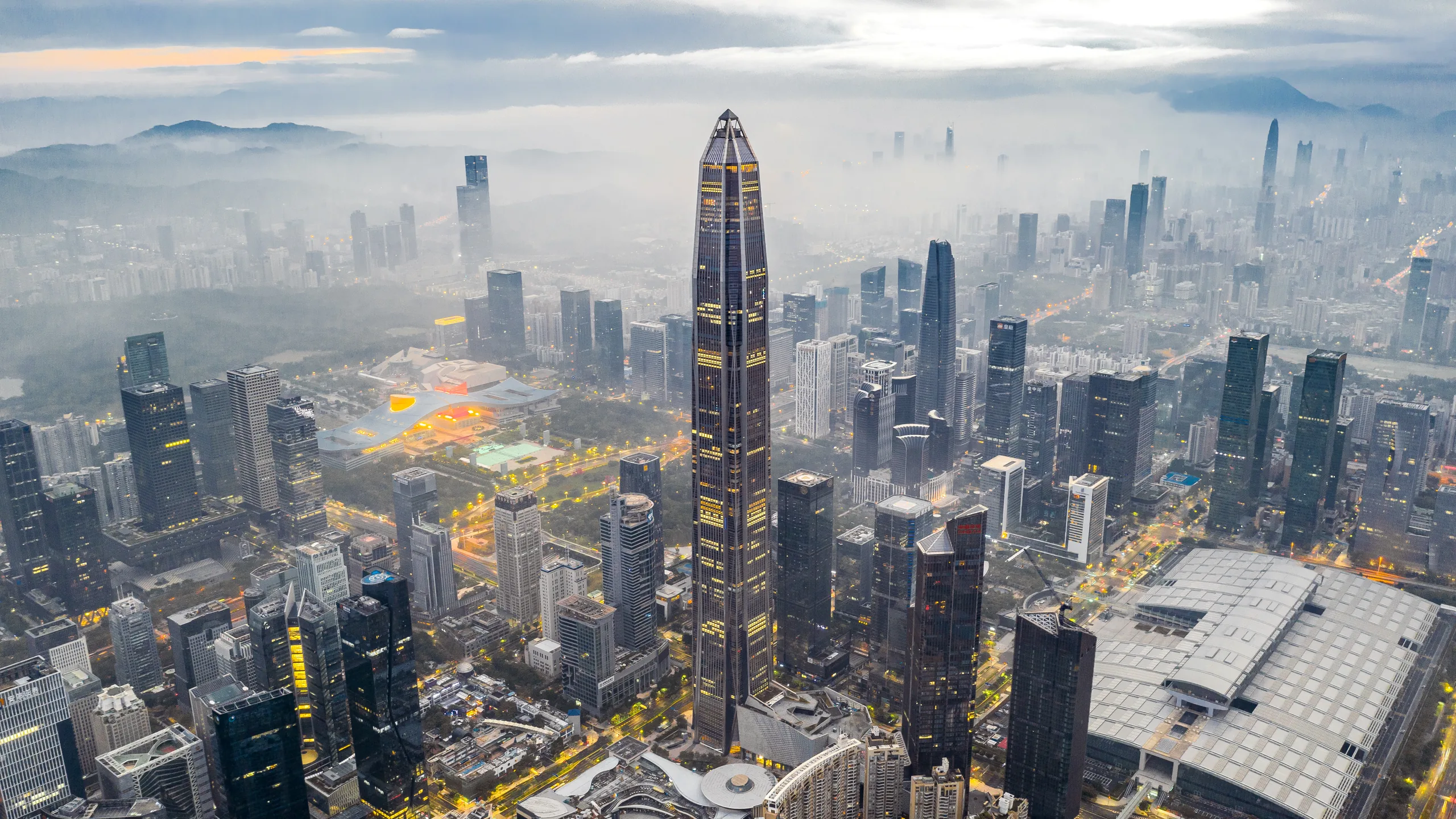
Free Sky Observation Deck: Shenzhen's Window to the Clouds at 547.6 Meters
High above the pulsating heart of Shenzhen, the Free Sky Observation Deck commands the 116th floor of the Ping An Finance Center at a...