
Wellness, Chinese Style — Between Gecko Tea and Zoological Love Apples
By Nowshenzhen · October 13, 2025 · 5 min read · 👁 1,059 views

A brisk field report on pain management with special effects
China believes in healing. Not necessarily that it works, but that it must be somewhere: in a drawer, a teacup, a needle, a smell so determined it could hold a meeting. My initiation: the TCM pharmacy. Picture an antiquarian bookshop where every book is a small wooden drawer, each labeled with characters that look wise enough to charge consulting fees. Behind the counter stands a man who is officially a pharmacist and unofficially a stage magician; with a flick of the wrist he produces dried roots, worms, and scorpions like raffle prizes you never knew you didn’t want. The soundtrack is soft scraping wood and the question you do not dare ask: “What exactly is that?”
Then come the miracle cures. Where the West whispers for little blue pills, here shelves are proudly stacked with zoological love apples—anatomical optimism dried, sliced, and discreetly bagged. There’s deer antler ground to dust and sold by the teaspoon, as if stamina were a spice. Dried seahorses hang like punctuation from a grammar that never made it to biology class. Shark fins appear too—not as medicine, more as a status syllable in soup form; you don’t order it to get healthy, you order it so everyone knows you could. And the famous bird’s nests—salanganes’ spit set like amber, simmered into broth. “Good for the skin,” people say. Perhaps. Mostly it’s expensive protein with a backstory. Somewhere in history, a cave-climber must have stared at a glued bit of avian interior design and said, “Let’s boil that.” And the rest of the cave apparently nodded.
If you won’t swallow it, you can always lie down. “Massage,” they say, a word that in the West conjures candles and harps. China has that version too—warm towels, tea, the faint sound of a bamboo flute. But the model I met first lived in a room that looked like a mechanic’s. Plastic curtains, a calendar from another decade, and a table with ambitions to be a plank. Instead of aromatherapy, the air serves Tiger Balm, camphor, and an undertone of… perseverance. Elbows and knees are applied with theological conviction. Cupping arrives with a pop; after ten minutes your back looks like a polka-dotted moonrise and someone says, “Very good—bad blood out,” as if you’d just completed an oil change. You shuffle home sore, oddly grateful, convinced that pain leaving the body is the same thing as progress.
But the headline act is acupuncture. In the West, it’s a spa sketch: fine needles like silver whispers, lavender in the air, a gong if someone is feeling bold. Here it’s neon light and plastic stools, a quiet row of people arranged like human pin cushions. The needles look less like jewelry and more like the contents of a tidy toolbox. Some clinics bring a small current to the party—delicate wires clipped to needles, a gentle buzz that makes calves twitch in time with the fluorescent lights. From the doorway it resembles avant-garde theatre; from the table it’s a calm negotiation with your own flinch reflex. And yet: people swear by it. Maybe because halfway through becoming a hedgehog you forget about your headache.
Back in the pharmacy world, the sales pitch runs on stories. This powder once helped a general. That root balanced an emperor’s spleen. These claims arrive with the confidence of a weather forecast delivered by a poet. And it does help—if not the condition, then the person attached to it. You drink the concoction that tastes like a compost heap with ambitions, you survive, and something in you decides: if I can do that, I can probably make it to work tomorrow. Placebo is still a place.
Meanwhile, the West remains devoted to its holy trinity of mild suffering: chamomile tea, hot water bottles, and the hope that Monday will call in sick. We’re gentle; we practice waiting. China practices doing. When you cough, someone hands you a thermos of brown determination. When your back complains, a stranger climbs on it and kneads your regrets. When you run out of options, a gentleman with steady hands turns you into a tasteful bulletin board and plugs you in.
It’s tempting to laugh, and I often do, though not always while it’s happening. But there’s a method in the spectacle. A body here is not a fragile museum piece; it’s a workshop, visited daily, tuned with herbs and heat and a certain cheerful violence. If eating is ceremony—mooncakes beneath a common moon—then so is healing. You ingest a story and invite your cells to believe it. Sometimes they do.
Does any of this “work”? Sometimes in the way physics approves; often in the way morale does. Deer antler will not turn you into a stag, shark fin will not make you swift, and a bird’s nest is unlikely to renovate your epidermis. But the ritual reshapes the week. The act of trying is the therapy: you are no longer a victim of your pain; you are a participant in its management, elbows, needles, gecko and all.
And yes, gecko tea is real—a little lizard steeped like an exclamation mark. You take a breath, swallow your skepticism and the reptile in equal measure, and your cold suddenly feels… negotiable. Not cured. Just demoted. Which, on a Tuesday, counts as victory.
So here’s my conclusion, delivered without candles: in China, wellness is less a spa day and more a practical joke the body is in on. Herbs, stories, ritual, voltage. You might leave bruised, you might leave humming, but you leave—moving, smiling, telling friends that it was “very effective,” because honestly, what else do you call an experience that replaces your back pain with a memory you’ll never forget? In a world where medicine is often a paperwork sport, China prescribes momentum. And sometimes that’s the best medicine of all—the one that gets you out the door, under the same moon as everyone else, ready to try again tomorrow.
Chris Gassner
October 13, 2025
Keep reading
All in Articles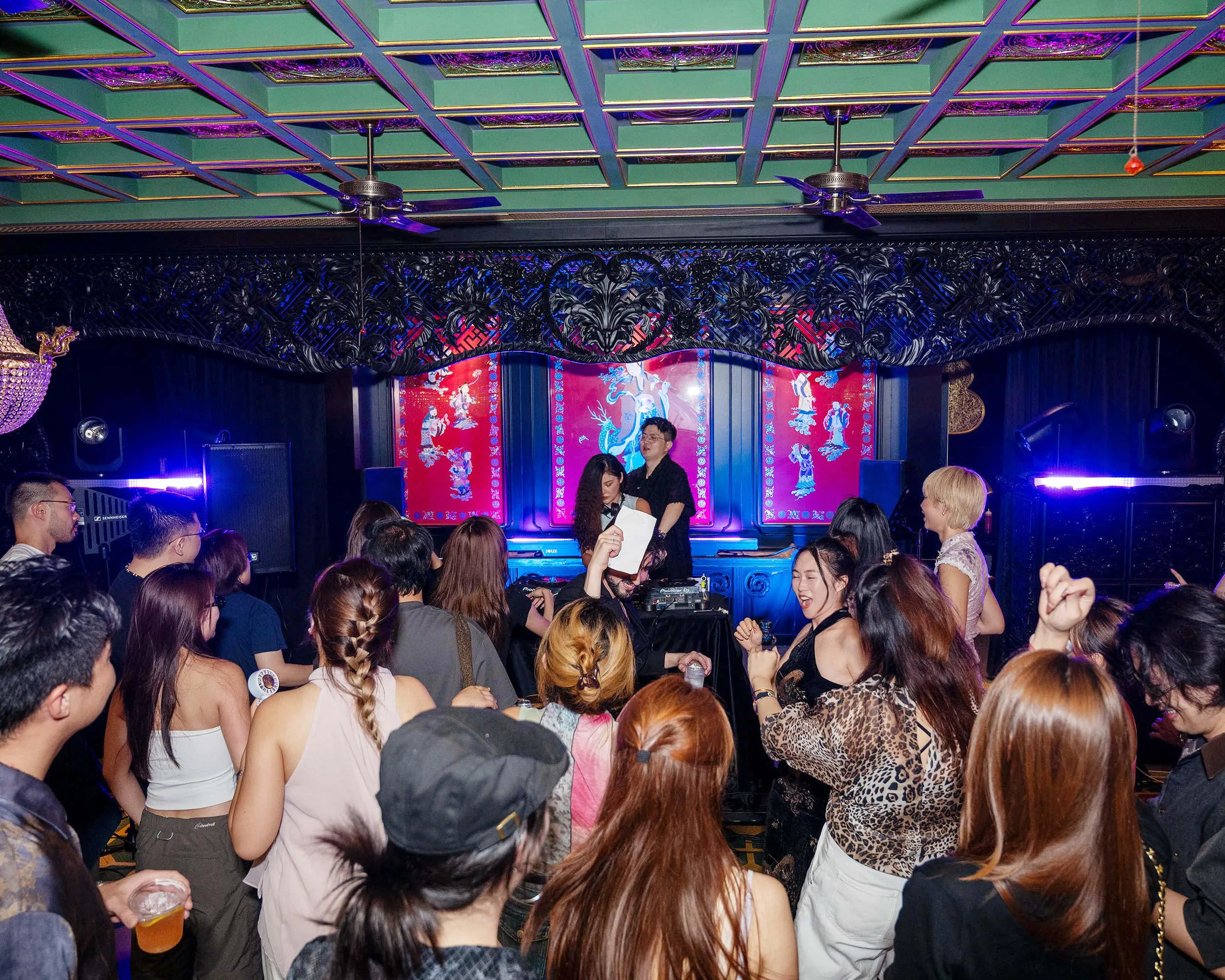
Ours Dim Sum Rave: Where Dim Sum Met the Dance Floor
Ours has done it again, this time, dropping electronic beats right into the heart of a tea house steeped in the nostalgic charm of 20th-century Hong...
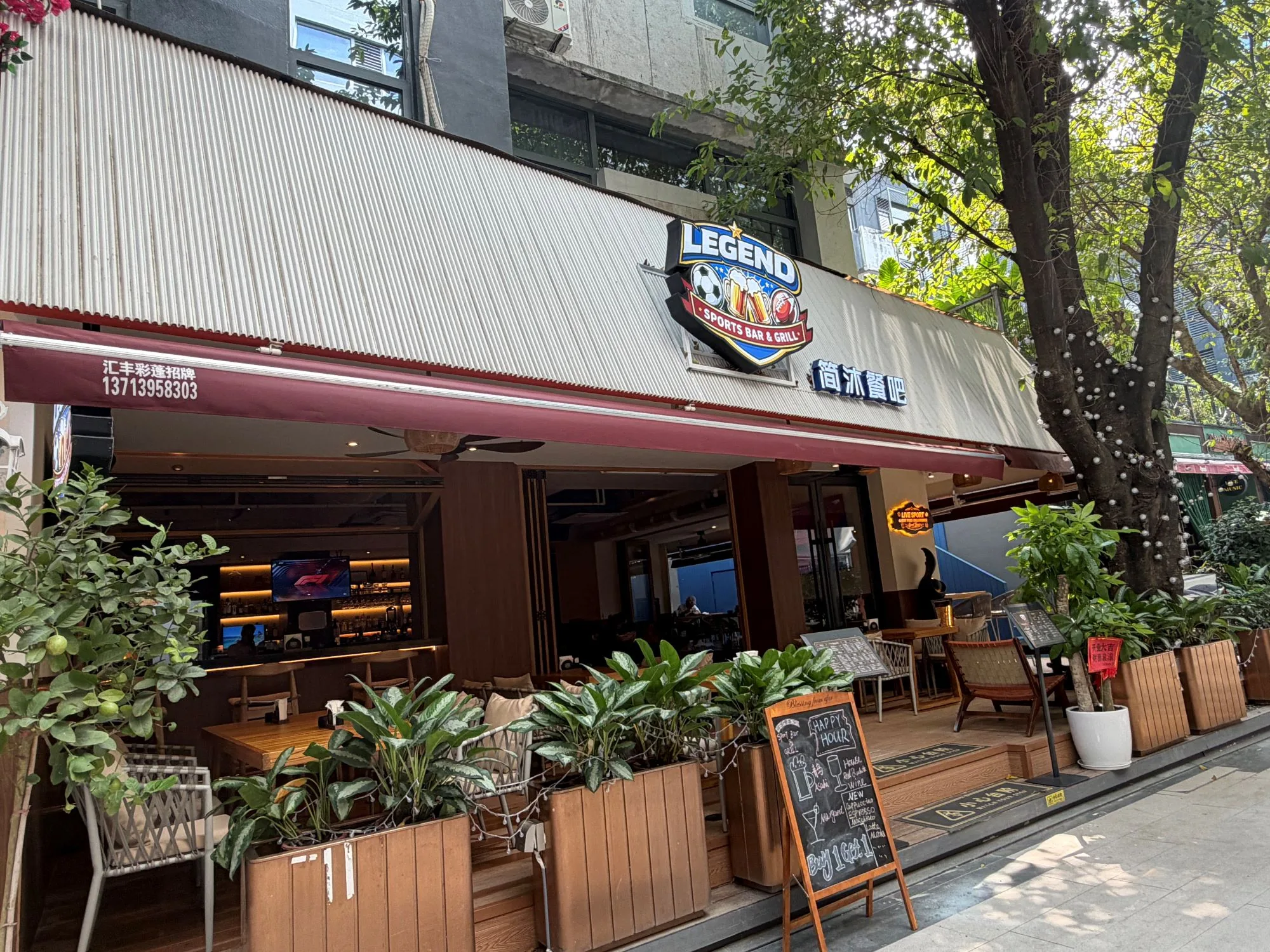
Legend Levels Up: Shekou's Beloved Hangout Reinvents Itself as a Sports Bar & Grill
Some bars are places you go. Legend is a place you return to. For six years, this Shekou staple has anchored the corner of Nanhai Yiku, pouring...

Free Sky Observation Deck: Shenzhen's Window to the Clouds at 547.6 Meters
High above the pulsating heart of Shenzhen, the Free Sky Observation Deck commands the 116th floor of the Ping An Finance Center at a...